


The Echo of Eugene
It’s a humid night in Eugene, Oregon, during the 2024 U.S. Olympic Trials 1500 meters. The crowd inside Hayward Field buzzes with anticipation, fans sensing they might witness something extraordinary. Cole Hocker stands poised at the start line, his face calm, his focus absolute. When the gun fires, he doesn’t surge; instead, he settles into the pack, conserving energy, biding his time for the moment that counts most.
In contrast, fifty years earlier on this same track, another Oregon star, Steve Prefontaine, approached races with a radically different mindset. For Pre, the start was everything. He attacked from the gun, forcing competitors to react to his pace rather than running their own race. Although the eras and strategies differ, both athletes share a core trait: fearless commitment.


Pain-Free, Injury-Free Running for 40s, 50s & Beyond
Ready to run smarter, faster, and stronger as you age? Whether you’re chasing a sub-3 marathon or simply want to enjoy running without pain, I’ll help you get there.
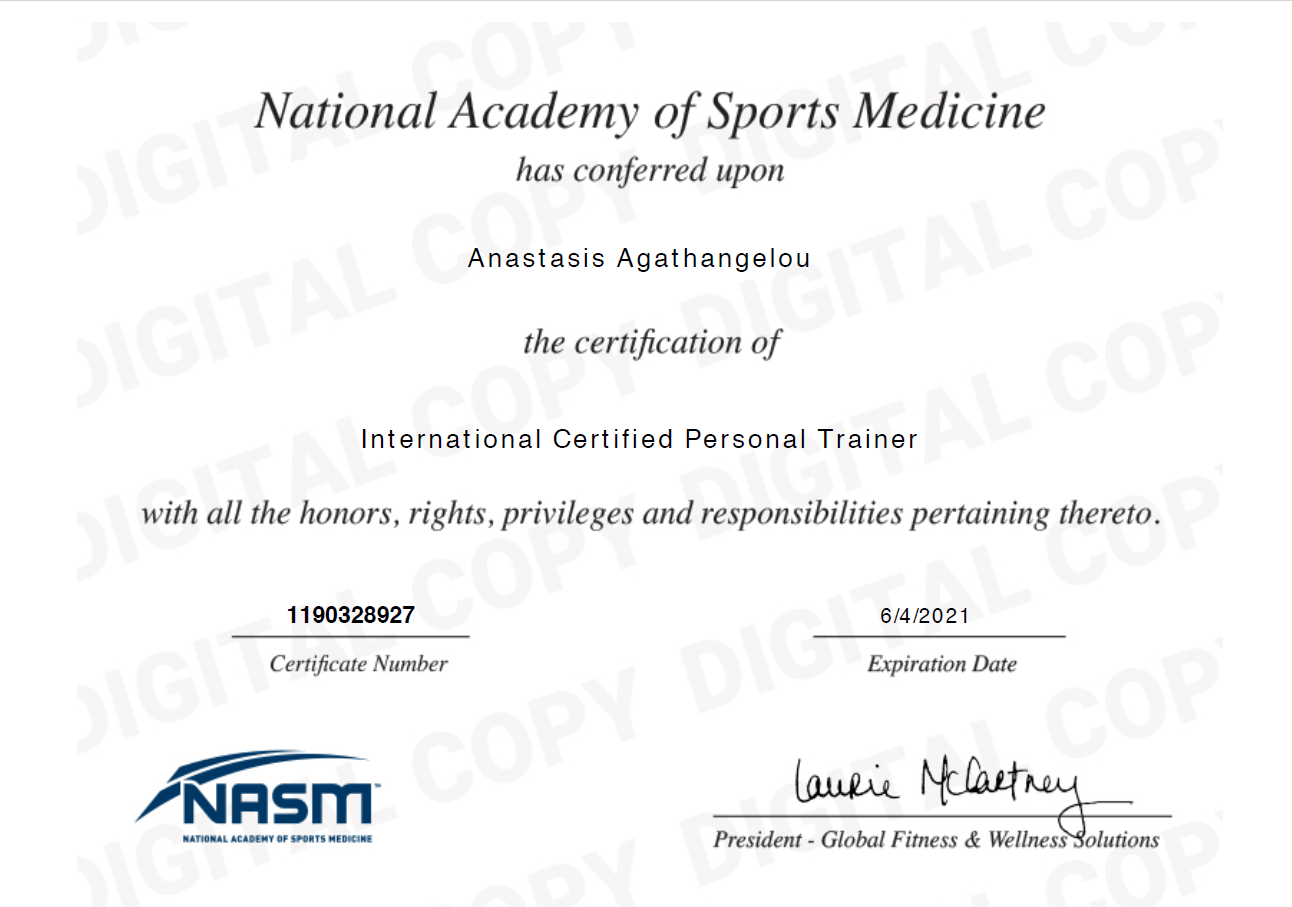
As an NASM Certified Personal Trainer and Stazza Certified Running Coach, I’ve guided runners worldwide to breakthrough results—building endurance, preventing injuries, and keeping running enjoyable at every stage of life.
Get Started TodaySteve Prefontaine: Racing with Fire
First, let’s examine Prefontaine’s approach. Known affectionately as “Pre,” he was a seven-time NCAA champion and a U.S. record holder at distances ranging from 2,000 to 10,000 meters. However, what truly made him legendary was not just his record times—it was how he ran every race.
From the opening lap, Pre would push the pace relentlessly, daring anyone to keep up. His philosophy was simple: make the race honest, make it difficult, and let survival determine the winner. This aggressive front-running style required extraordinary endurance and mental fortitude. Moreover, it forced rivals into uncomfortable positions, testing not only physical limits but psychological resilience.
Furthermore, Prefontaine’s approach was intertwined with his personality. He embodied the restless energy of early-’70s America: bold, defiant, and unwilling to conform. His races weren’t just competitions—they were performances, spectacles of courage and determination. This mindset helped redefine American middle- and long-distance running, leaving a lasting legacy that still inspires runners today.
Cole Hocker: Racing with Ice
On the other hand, Cole Hocker exemplifies a contrasting style. Where Pre blazed with fire, Hocker embodies ice-cold precision. At the 2024 U.S. Olympic Trials, he did not lead early. Instead, he tucked into the pack, conserving energy, monitoring the pace, and observing his competitors. When the final bell rang, he struck with surgical timing, surging through the inside lane to cross the line in 3:30.59, a new Trials record.
On the other hand, Cole Hocker exemplifies a contrasting style. Where Pre blazed with fire, Hocker embodies ice-cold precision. At the 2024 U.S. Olympic Trials, he did not lead early. Instead, he tucked into the pack, conserving energy, monitoring the pace, and observing his competitors. When the final bell rang, he struck with surgical timing, surging through the inside lane to cross the line in 3:30.59, a new Trials record.
Then, in Paris, the stakes were higher. The Olympic 1500m final included titans like Jakob Ingebrigtsen and Josh Kerr. For three laps, Hocker waited. Then, with less than 100 meters remaining, he exploded past the field, claiming Olympic gold in 3:27.65, an Olympic record. This moment captured the essence of his tactical mastery: patience, composure, and an unwavering belief in his finishing kick.
Indeed, Hocker’s style demonstrates that courage does not always manifest as overt aggression. Sometimes, it is the confidence to trust your strategy, to remain calm under pressure, and to strike decisively when the moment arrives.
Fire vs. Ice: Contrasting Strategies
By comparing these two athletes, the contrast becomes striking:
- Prefontaine: Relentless front-running, forcing competitors to endure pain and respond on his terms.
- Hocker: Tactical patience, conserving energy, and unleashing a decisive finishing kick.
Consequently, their effectiveness depends on the race conditions. A fast, grueling pace favors Pre, as it allows him to break competitors early. Conversely, a tactical, slow-to-moderate pace favors Hocker, giving him space to exploit his finishing speed.
However, it’s important to note that these distinctions do not imply one strategy is superior. Rather, they highlight the multiple ways that fearlessness can be expressed in middle-distance running.
👉 Learn why easy runs are the most important training day of the week
Lessons for Modern Runners
Importantly, both athletes offer valuable lessons for today’s runners.
First, courage comes in many forms. Prefontaine’s bravery was visible—attacking from the start and challenging others to follow. Hocker’s courage is subtler, manifesting in restraint, patience, and trust in his training.
Second, runners can benefit from developing a complete toolkit. Championship racing demands both endurance to maintain pace and the speed to finish decisively. Prefontaine excelled in pushing early; Hocker excels in closing hard. Integrating both styles into training can produce a more adaptable, resilient athlete.
Third, controlling the controllables is essential. Prefontaine dictated pace; Hocker dictates position and energy. Both approaches emphasize the importance of taking ownership of the race, rather than reacting passively to the field.
Finally, adaptability is key. Races rarely unfold perfectly. Some will be fast from the start; others slow and tactical. The athlete who can shift strategies mid-race—pushing when necessary or conserving energy when prudent—will maximize their chances of success.
Hypothetical Matchup: Fire Meets Ice
Suppose Prefontaine and Hocker competed directly in today’s top-level 1500m. In a fast, honest race, Pre’s aggressive pace could challenge Hocker’s kick, potentially sapping his energy. In a slow, tactical race, Hocker would likely dominate, waiting for the final straight to unleash his signature surge.
Yet beyond hypothetical results, the true value lies in the lessons their contrast provides. Fire and ice are complementary. Prefontaine teaches us to embrace discomfort and dictate terms. Hocker teaches us to trust preparation and timing. Together, they form a blueprint for versatile, fearless racing.
“Somebody may beat me, but they’ll bleed to do it. – Steve Prefontaine “
👉 Try the Free Marathon Pace Planner Now and run smarter, not harder!
Blending the Best: Toward Ultimate Greatness
For runners aspiring to compete at the highest level, blending these two styles may hold the key to excellence. Consider a training program that incorporates:
- Endurance and tempo work: Build the engine to push pace from the front.
- Speed and finishing drills: Develop the ability to strike decisively in the final 200 meters.
- Mental conditioning: Practice visualizing both aggressive and tactical scenarios.
- Race simulations: Alternate between front-running mock races and tactical pack racing to develop adaptability.
By combining Pre’s fearlessness with Hocker’s precision, athletes can cultivate both courage and intelligence on the track.
The Shared Spirit
Ultimately, Prefontaine and Hocker are two expressions of the same principle: run with conviction. One embodies visible intensity; the other manifests controlled power. Both, however, refuse to run passively.
For runners of any level, this philosophy is instructive. Whether attacking from the front or timing your kick, the key is to own the race and commit fully. By learning from both, the modern athlete can approach racing with both fire and ice—dynamic, adaptable, and fearless.
About Coach T
I’m Coach T, an online running coach dedicated to helping everyday athletes unlock their potential. I’ve been mentored by Coach John “Stazza” Starrett—the man behind 700+ sub-3 marathons—and I bring his proven system to runners worldwide.
📞 Book a free call: RunningFitness365.com
**Please note that the information shared in this article reflects my personal knowledge and experiences. It is not intended as professional advice and should not be relied upon as such. Always consult with a qualified expert or professional before making any decisions based on the content provided.