

If you are a runner and you have ever felt a deep pain in your glute that seems to travel down your leg, let me reassure you straight away. You are not broken, you are not getting old, and you definitely do not need to stop running forever. In most cases, what you are experiencing is something called piriformis syndrome, and it is one of the most common and misunderstood issues I see in runners.
🍑 Dealing with piriformis pain that won’t go away?
Piriformis syndrome is one of the most frustrating injuries a runner can face — it feels like it’s almost gone, then one run brings it straight back. The problem is usually not the muscle itself, but how you’re training around it. I’ve helped many runners get out of this cycle for good.
Book a free call and I’ll tell you exactly what I’d change in your training to stop this coming back every few weeks.
As an online running coach, I deal with this problem every single week. Some runners feel it during long runs, others after speed sessions, and many only notice it when they sit down. However, the pattern is almost always the same. There is deep glute pain, sometimes tingling down the leg, and often a sensation that feels exactly like sciatica. The good news is that piriformis syndrome is not only fixable, but once you understand why it happens, you can actually come back stronger, more stable, and more efficient than before.
I am Coach T, marathon runner and online running coach, and I have personally been through this injury myself. Even more importantly, I have helped hundreds of runners recover from it. So in this article, I am going to explain piriformis syndrome in simple runner language, without medical jargon, and I will show you exactly how I help my athletes return to pain-free running.
What Is Piriformis Syndrome in Runners?
To understand piriformis syndrome, we need to start with a bit of basic anatomy, but I promise to keep it simple. The piriformis is a small muscle located deep in your glutes. Its main role is to help rotate the hip and stabilise the pelvis when you run. Every time your foot hits the ground, this muscle works to keep your hips aligned and your stride efficient.
Now, right next to the piriformis sits the sciatic nerve, which is the largest nerve in the body. When the piriformis becomes tight, overworked, or irritated, it can press on that nerve. As a result, you feel pain that radiates from the glute down the back of the leg. This is why piriformis syndrome feels so similar to sciatica and why so many runners get confused about their diagnosis.
From a coaching perspective, I always explain it like this. Piriformis syndrome is not really a muscle problem. It is a movement problem. The muscle is simply reacting to how forces travel through your body when you run, and when those forces are not distributed properly, pain appears.

The Real Causes of Piriformis Syndrome
Most articles online will tell you that piriformis syndrome happens because the muscle is tight or because you sit too much. While that can be part of the picture, it is only a small part. In reality, the real cause is almost always related to how your body compensates during running.
Let me give you a personal example. I overpronate, which means my foot collapses inward more than normal. Because of this, my body needs to compensate somewhere else in order to keep me moving forward. That compensation often happens at the hip, and more specifically in the piriformis muscle. Over time, the piriformis starts doing extra work that it was never designed to handle, and eventually it becomes irritated and painful.
This is exactly why so many runners stretch their glutes for months and never fully recover. They treat the symptom, which is tightness, but they ignore the real problem, which is faulty movement patterns. In other words, the piriformis is rarely the root cause. It is usually just the victim of a bigger biomechanical issue.
Common Causes I See in My Runners
In my coaching practice, piriformis syndrome is almost always the result of a combination of factors rather than one single issue. Very often, I see weak foot and ankle stability, poor shoe selection, weak hip stabilisers, and sudden increases in training volume. On top of that, many runners spend long hours sitting at work, which reduces hip mobility and weakens postural muscles.
What this means in practical terms is that piriformis syndrome is usually a chain reaction injury. The problem often starts in the foot, travels through the ankle and knee, and finally ends up in the hip. By the time the pain appears in the glute, the real issue has already been developing for weeks or even months.
This is why simply stretching the piriformis rarely works long term. You need to fix the entire chain, not just the last link.
“From plateau to breakthrough — exactly what I needed.”
Coach T isn’t just a running coach.
He invests time. Real time.
Checks in. Adjusts. Cares.
One year ago, I was completely stuck — no progress, just plateau.
Through smart, structured training and constant guidance,
everything changed.
Step by step, I became stronger, more consistent, and confident —
leading to a new Marathon PB at Paris Marathon 2026.
Healthy. Strong. Injury-free.
— Demetris
Symptoms of Piriformis Syndrome in Runners
Runners describe piriformis syndrome in many different ways, but the stories are surprisingly similar. Most say they feel deep pain in one side of the glute that becomes worse after long runs or hard sessions. Others notice tingling or numbness down the leg, especially when sitting or driving. Some even feel pain when crossing their legs or putting on shoes.
What makes this injury particularly frustrating is that scans often show nothing serious. There is no tear, no fracture, and no structural damage. As a result, runners feel confused and sometimes even anxious because the pain feels real, but there is no clear explanation.
From a coaching point of view, this is actually good news. Pain without structural damage usually means that the body is overloaded, not broken. And overloaded systems respond very well to smart training and intelligent movement.
Why Stretching Alone Is Not Enough
Stretching is not bad. In fact, stretching can be useful in the early stages because it reduces tension and improves blood flow. However, stretching alone is not a solution. If the piriformis is tight because it is compensating for weak ankles, poor core control, or unstable hips, then stretching it without addressing those issues is only temporary relief.
It is like fixing a leaking roof by mopping the floor. The water disappears for a while, but the problem is still there. Real recovery happens when you restore balance in the entire movement system.
This is exactly why my approach as a coach focuses much more on strength, stability, and coordination rather than endless flexibility.
My Personal Experience with Piriformis Syndrome (Coach T)
Let me share something personal with you, because this is not just theory for me. I have dealt with piriformis syndrome myself, and that experience completely changed the way I coach runners today. I am an overpronator, which means my foot collapses inward more than it should. Because of that, my body started using the piriformis muscle to bring the foot back and stabilise the leg, basically doing the job that my foot mechanics were failing to do. Over time, this created overload in the piriformis, and eventually pain appeared.
Once I understood this, everything became clearer. The problem was not just the muscle, it was the system. That is why shoe choice became extremely important for me. Wearing the wrong shoes was forcing my body to compensate in unhealthy ways, while choosing the right shoes immediately reduced the stress on my hips and glutes. At the same time, I started focusing a lot more on strengthening the muscles of the lower leg, especially the ankles and feet, because those are the foundation of every running step.
This is also why my favourite drill from Coach Stazza is the toothbrush exercise. Every morning and every night, while brushing my teeth, I stand on one leg with my eyes closed for two to three minutes, and then I switch legs. In total, it takes about six to eight minutes per day, but the effect is massive. This simple exercise strengthens the ankles, the small stabilising muscles in the feet, and the tendons that control balance. For runners who overpronate, this is one of the most powerful and underrated tools I know.
Another important part of my recovery was working with both a physiotherapist and a chiropractor. At one point, I discovered that my pelvis was misaligned. When the chiropractor aligned it, the piriformis relaxed immediately, almost like pressing a magic button. Before that, I was literally dragging my leg when I walked, and after the alignment, the tension released straight away. The interesting part is that physiotherapy alone helped temporarily, but the muscle would tighten again later. The alignment solved the deeper structural issue at that time.
However, I want to be very honest here. This is not always the case for everyone. Later in my running career, I had another episode of piriformis pain, and this time the pelvis was not the main problem. That experience taught me something very important as a coach. There is no single universal cause for piriformis syndrome. Sometimes it is biomechanics, sometimes posture, sometimes training load, and sometimes a combination of everything. That is exactly why personalised coaching and assessment are so crucial for long-term recovery.

Marathon Coaching: Train Strong, Stay Injury-Free
Training for a marathon isn’t just about doing more miles — it’s about doing the right work at the right time, without breaking down.
As Coach T, I help runners train smarter, stay consistent, and build the strength and structure needed to run strong and injury-free.
- Train safely with purpose
- Reduce injury risk and fatigue
- Build long-term marathon fitness
Whether you’re chasing a PB or simply want to enjoy running without setbacks, I’ll guide your training with a balance of science, coaching experience, and sustainable progression.
Let’s train with confidence — strong, healthy, and ready on race day.
Get Free Coaching SupportThe Coach T Recovery Method
Over the years, I have developed a simple but very effective system to help runners recover from piriformis syndrome. It is not based on rest and it is not based on stopping running completely. Instead, it is based on progressive phases that allow the body to heal while staying active.
The idea is to reduce irritation first, then rebuild stability, and finally return to full performance. This approach keeps runners motivated, confident, and mentally strong throughout the recovery process.
🍑 Piriformis keeping you off the road?
Rest alone won’t fix it. You need a structured recovery plan that gets you back running — and keeps you there. That’s exactly what I do.
Phase 1: Calm the System
In the first phase, the goal is to reduce pain and irritation without becoming completely inactive. For most runners, this means lowering intensity, avoiding hills and speed work, and keeping runs short, flat, and easy. At the same time, we introduce gentle piriformis stretching, heat before mobility work, and light neural mobility exercises to reduce sensitivity around the hip and sciatic pathway.
The key here is not to panic and not to stop moving altogether. Research consistently shows that relative rest and controlled loading are usually more effective than total shutdown. By staying active within pain-free limits, we help keep the nervous system calm, maintain circulation, and preserve basic running fitness.
In many cases, working with a qualified physiotherapist or chiropractor during this phase can speed up recovery. Evidence supports that manual therapy combined with targeted strengthening and movement retraining may reduce symptoms more quickly and improve return-to-running outcomes. Early assessment can also identify contributing factors such as hip weakness, pelvic control issues, or nerve irritation, which helps prevent the problem from lingering.
This phase is about creating the right environment for healing — staying patient, staying consistent, and keeping your body moving in the safest way possible.
Phase 2: Strength and Control
This is where real progress happens. In the second phase, we start building hip stability, core strength, and ankle control. These three areas are critical because they determine how forces travel through the body when you run.
One of my favourite exercises during this phase is the toothbrush exercise. Every morning and every night, while brushing your teeth, you stand on one leg with your eyes closed for two to three minutes, and then you switch legs. This simple drill trains balance, foot strength, and nervous system control, all at the same time.
For overpronators in particular, this exercise is extremely powerful. It strengthens the small stabilising muscles in the feet and ankles, which reduces the workload on the piriformis higher up the chain.
Phase 3: Return to Performance
In the final phase, we gradually reintroduce dynamic drills, running-specific movements, speed work, and plyometrics. The goal is not just to return to running, but to return as a stronger and more resilient athlete.
This is where runners often notice something interesting. Not only is the pain gone, but their running feels smoother, more controlled, and more efficient than before. That is because the body is now working as a coordinated system rather than a collection of compensations.
Piriformis Syndrome Runner Guide
The Shoe Mistake That Keeps Runners Injured
One of the biggest mistakes I see runners make is choosing shoes based purely on brand, looks, or discounts. Very few runners select footwear based on how their body actually moves. That matters, because shoes influence how forces travel through the feet, legs, and hips with every step.
That said, this doesn’t mean that an overpronator cannot wear neutral shoes, or that a supinator must avoid stability models. Many strong, well-conditioned runners pronate naturally and have absolutely nothing to fear from neutral footwear.
The key is comfort, stability, and how the shoe feels during running.
Problems usually arise when the shoe works against your mechanics — for example, if an overpronating runner feels unstable in a very soft neutral shoe, the hip muscles may have to work harder to control motion. Or if a naturally supinating runner is placed in a rigid stability shoe, it may encourage compensation further up the chain.
Shoes don’t “fix” movement patterns, but the wrong match can sometimes make existing weaknesses or imbalances more noticeable.
That’s why shoe selection is always part of my coaching assessments — not to label runners, but to find the option that feels stable, comfortable, and supports healthy running mechanics.
Why Most Runners Never Fully Recover
Most runners never fully recover from piriformis syndrome because they treat pain as the enemy instead of a signal. They rest, they stretch, they return, and then the pain comes back. This creates a frustrating loop that can last for years.
What breaks this loop is structured coaching. Someone who looks at your form, your training history, your goals, and your lifestyle, and then builds a system around you. Not a generic program, but a personalised strategy.
How Piriformis Syndrome and IT Band Syndrome Are Connected
One thing I always explain to my runners is that injuries rarely exist in isolation. Piriformis syndrome and IT Band Syndrome are actually closely connected because both usually come from poor hip stability, weak glute control, and faulty running mechanics. When the hips are not doing their job properly, the body compensates, and that compensation can show up either in the piriformis or along the IT band.
In many cases, runners fix one problem and then develop the other, simply because the root cause was never addressed. That is why the recovery principles are very similar and focus on better movement patterns, stronger stabilising muscles, and smarter load management.
If you want to learn more about IT Band Syndrome specifically, I wrote a full guide for runners here:
👉 https://runningfitness365.com/2025/12/15/it-band-syndrome-runners-prevention-management-return/
Why Strength Training Is the Real Injury Prevention Tool
One thing I always remind my runners is that real injury prevention does not come from stretching alone, it comes from strength. Piriformis syndrome is a perfect example of what happens when stabilising muscles are not strong enough to handle running load. Without proper strength in the hips, core, and lower legs, the body is forced to compensate, and pain appears somewhere down the chain.
That is exactly why I wrote a full guide on strength training for runners, where I explain how to build a strong, resilient body that stays injury-free:
👉 https://runningfitness365.com/2025/10/09/strength-training-for-runners-guide/
When you combine smart strength work with good running mechanics, injuries stop being a constant cycle and start becoming something you actually control.
This Is Exactly What I Do as Coach T
I do not just give training plans. I coach movement, mechanics, injury prevention, and performance mindset. I specialise in runners who keep getting injured, feel stuck, or want to improve without breaking down.
If you are currently dealing with piriformis syndrome, I can help you.
👉 Right now, you can also book a call and also to get 1 month FREE coaching here:
🍑 Piriformis keeping you off the road?
Rest alone won’t fix it. You need a structured recovery plan that gets you back running — and keeps you there. That’s exactly what I do.
No pressure, no spam, just real coaching and real support.
Final Thoughts from Coach T
Piriformis syndrome is not a curse and it is not the end of your running journey. It is simply a signal that your body needs better mechanics, better stability, and smarter training.
Once you understand that, everything changes. You stop fearing pain and start understanding movement. You stop guessing and start progressing. And most importantly, you stop just surviving your runs and start enjoying them again.
That is not rehab.
That is evolution as a runner.

Coach Tazi
Online Running Coach
🍑 Piriformis keeping you off the road?
Rest alone won’t fix it. You need a structured recovery plan that gets you back running — and keeps you there. That’s exactly what I do.
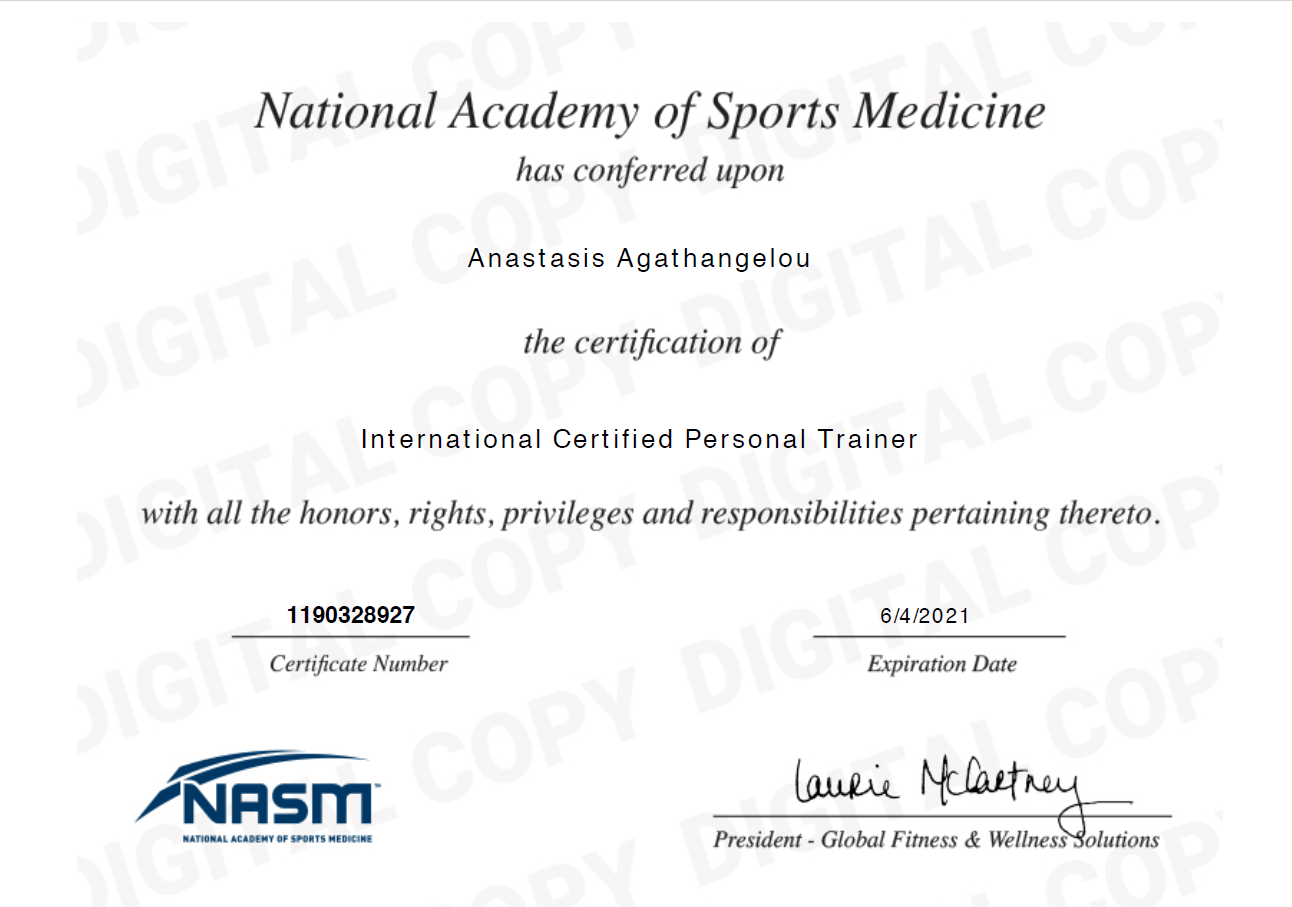
– Coach T, NASM-CPT
**Please note that the information shared in this article reflects my personal knowledge and experiences. It is not intended as professional advice and should not be relied upon as such. Always consult with a qualified expert or professional before making any decisions based on the content pro