


unners often think the key to getting faster is running harder every day. That belief is a fast track to fatigue, plateau, and injury. The truth is, the world’s best athletes—and the most successful recreational runners—spend most of their training volume running easy.
Easy runs are more than just filler miles. They’re a deliberate, science-backed tool designed to promote adaptation, allow recovery, and build aerobic endurance. However, there’s an important distinction many runners miss: easy runs are most effective when capped at around 65 minutes. This guideline keeps fatigue low, supports recovery cycles, and ensures your quality sessions and long runs remain sharp.

Coach Tazi
Online Marathon Coach
🏃♂️ Not sure if your easy pace is actually correct?
Most runners train either too hard or too easy without realising it. The result is slower recovery, inconsistent performances and marathon times that don’t reflect their effort.
Send me your recent training, weekly mileage and goal race. I’ll personally review your training and identify the biggest opportunity for improvement.
This comprehensive guide explains why easy runs are the unsung hero of marathon training, how to find your ideal easy pace, and how to structure your week to optimize performance.
What Is an Easy Run?
An easy run is a low-intensity training session that focuses on comfort, conversation, and controlled effort. You should be able to speak in full sentences without gasping for air. Elite marathoners often run at a pace that’s 60–90 seconds slower per mile than their marathon pace, showing that easy truly means easy.
Instead of obsessing over pace, focus on perceived exertion (RPE):
- Effort Level: 4–6/10
- Heart Rate (Optional): 60–75% of maximum
- Feeling: Relaxed breathing, fresh legs
When done correctly, easy runs feel more like a moving recovery session than a workout. They’re not junk miles; they’re the foundation of a strong training cycle.
Struggling with fading in the final 10km? This is exactly what I help runners fix with personalised coaching. I’m currently offering a free 4-week plan — no payment, no obligation. Get yours here →
The Science Behind the 65-Minute Cap
Many recreational runners mistakenly treat easy runs as opportunities to add volume or “make up” missed workouts. This approach creates excessive fatigue without additional training benefit. Research and coaching wisdom point to 65 minutes as an optimal cap for most easy runs:
- Diminishing Returns: After 60–70 minutes of low-intensity running, aerobic adaptations plateau, and fatigue begins to accumulate without meaningful gains.
- Hormonal Regulation: Prolonged runs raise cortisol levels, which can hinder recovery if done repeatedly.
- Musculoskeletal Health: Shorter, controlled easy runs reduce cumulative stress on tendons and joints, lowering injury risk.
- Energy Systems: At easy effort, your body primarily uses fat as fuel, building endurance. Extending easy runs too long without purpose increases glycogen depletion unnecessarily.
By capping easy runs at 65 minutes, you maintain their intended function: recovery, adaptation, and aerobic reinforcement—not fatigue accumulation.
👉 Learn more about my coaching approach and inspiration from legends like Kipchoge here
Marathon Coaching • Smarter Training • Better Results
Why Your Easy Runs Are Holding Back
Your Marathon Progress
You’re putting in the miles, following a plan, and working hard. Yet your marathon times aren’t improving as much as they should. The problem might not be your hard workouts. It could be your easy runs.
Send your recent training and race goals. I’ll show you the biggest opportunity to improve your running.
Easy Runs in Marathon Training
The Backbone of the Marathon Build
Marathon training typically includes:
- Long Runs: The cornerstone for endurance and mental resilience.
- Midweek Workouts: Tempo runs, threshold work, or intervals for speed and strength.
- Easy Runs: The glue that holds the cycle together, enabling you to bounce back from hard efforts while preparing for the next.
Think of easy runs as bridges:
- After your long run, an easy day helps you recover and regain form.
- Before your next midweek workout, easy running primes your legs without fatigue.
- After the midweek workout, another easy run smooths the transition back to the long run.
This rhythm creates a training wave—stress, recovery, and adaptation—which leads to consistent improvement over months and years.
The Adaptation Cycle
Training doesn’t make you faster during the workout; it makes you tired. Improvement happens through adaptation cycles:
- Stress Phase: Hard sessions like tempo runs and long runs challenge your body, breaking down muscle fibers and taxing your central nervous system.
- Recovery Phase: Easy runs under 65 minutes promote circulation and muscle repair while minimizing stress.
- Adaptation Phase: With adequate recovery, your body rebuilds stronger, enhancing endurance, VO₂ max, and running economy.
When this cycle is respected, runners experience steady progression without overtraining. Easy runs are the foundation of this process, not a side note.
Why Slowing Down Makes You Faster
Slowing down isn’t about laziness; it’s a proven strategy backed by decades of research:
- Polarized Training Model: Endurance athletes spend ~80% of training time at low intensity and ~20% at high intensity. This distribution has been shown to produce superior results compared to “moderate-all-the-time” approaches.
- Aerobic Development: Easy runs develop mitochondria, capillaries, and fat metabolism—the cornerstones of endurance performance.
- Injury Prevention: By running easy most days, you save your legs for workouts that matter and reduce injury risk.
John Starrett, known as The Stablemaster, has coached over 700 runners to sub-3-hour marathons. His philosophy emphasizes disciplined easy running, proving that slowing down is a performance enhancer, not a shortcut
Coach Tazi
Online Running Coach
⏱️ Training hard but your times aren’t moving?
The runners who improve fastest are usually the ones who learn to slow down first. I’ll build you a training plan around that principle — and you’ll feel the difference within weeks.
Easy Runs vs. Recovery Runs
Though related, these runs serve different purposes
| Type | Duration | Purpose | Effort |
|---|---|---|---|
| Easy Run | 45–65 minutes | Aerobic base building & recovery support | Conversational pace |
| Recovery Run | 20–40 minutes | Flush fatigue, active recovery only | Extremely light effort |
👉 I’ve written a full guide here: Effort vs. Pace Running Guide
Common Mistakes Runners Make
Overextending Easy Runs: Going beyond 65 minutes adds unnecessary fatigue and disrupts adaptation cycles.
Running Too Fast: Many runners turn easy days into tempo efforts, which leads to stagnation.
Skipping Rest Days: Recovery is training. A full rest day helps cement adaptations.
Chasing Numbers: Watches and heart rate monitors are tools, not rules. Train by feel first.
How to Pace Easy Runs
Here are practical strategies to find and stick to your ideal easy pace:
- Talk Test: If you can’t speak in full sentences, slow down.
- Perceived Exertion: Stay at 4–6/10 effort.
- Heart Rate (Optional): Keep HR at 60–75% of max.
- Watch-Free Runs: Once a week, run by feel without data to build intuition.
Easy Run Placement in a Marathon Week
Here’s a sample structure for a 6-day training week:
- Monday: Easy run (45–65 min)
- Tuesday: Midweek quality workout (tempo, intervals)
- Wednesday: Easy run (45–65 min)
- Thursday: Recovery run or rest
- Friday: Easy run (45–65 min)
- Saturday: Long run (progressive build)
- Sunday: Rest
This structure lets you hit every hard session fresh while reinforcing aerobic fitness through easy days.
The Mental Side of Easy Running
Easy runs also improve mental resilience. Slowing down teaches patience and discipline, two essential traits for marathon racing. Many runners feel pressure to “prove fitness” daily; embracing easy running shifts focus to long-term success.
Practical Tips for Mastering Easy Runs
Run with Slower Partners: Training with slower friends keeps your pace honest.
Use Trails or Grass: Softer surfaces reduce impact.
Cap Easy Runs Strictly: Avoid the temptation to “just add a few miles.”
Fuel Appropriately: Even easy runs need basic nutrition support.
Track Fatigue Trends: If you’re consistently tired, shorten easy days further.
The Long-Term Benefits of Capped Easy Runs
Keeping easy runs short and deliberate has far-reaching effects:
- Consistency: You’ll stay injury-free and able to train year-round.
- Quality Workouts: Saving energy for tempo runs and long runs ensures steady improvement.
- Sustainable Training: Lower stress means running remains enjoyable for life.
Online Running Coaching: Personalized Plans, Accountability, Results
Coaching gives everyday runners the same structural advantage that professionals enjoy: a plan built around real life, steady accountability, and support through the mental ups and downs of training. Personalized programming reduces guesswork and turns consistent effort into measurable progress, helping avoid plateaus and burnout.
As an online running coach, the emphasis is on designing training that fits schedule and goals, guiding recovery so adaptations actually stick, and building race-day confidence through clear pacing and strategy. Inspiration gets runners started, but tailored guidance turns intention into daily action
👉 Right now, you can also book a call and get 1 month FREE coaching here:


Coach Tazi
Online Running Coach
⏱️ Training hard but your times aren’t moving?
The runners who improve fastest are usually the ones who learn to slow down first. I’ll build you a training plan around that principle — and you’ll feel the difference within weeks.
Final Thoughts
Easy runs are not throwaway mileage—they’re strategic recovery and adaptation tools. By capping easy runs at 65 minutes, you create the ideal environment for growth while avoiding fatigue traps. Use them to bridge hard sessions, build aerobic capacity, and arrive at every key workout feeling strong.
Whether you’re aiming for your first marathon or a personal best, mastering easy running is the ultimate secret weapon.
“Fast running isn’t forced. You have to relax and let the run come out of you.” — Desiree Linden
👟 And here’s the truth: you don’t have to be an elite to feel this same magic. You can start shaping your own story today. Whether you’re curious about running by effort vs. running by pace (read more here: Effort vs. Pace Running Guide), or ready to commit to structured training, having the right coach can make all the difference.
✨ As an online coach, I work with runners worldwide—helping them find their rhythm, avoid setbacks, and unlock new levels of performance. If Sydney inspires you, let’s turn that inspiration into action. Start here: Meet Your Running Coach
🎁 And because every great journey deserves a beginning, I’m offering a FREE 1-month custom running plan designed just for you. Spots are limited, so don’t wait—claim yours today: Get Your Free Plan
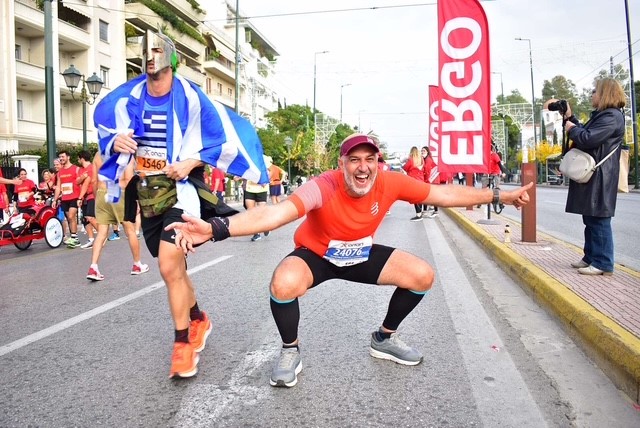
“From plateau to breakthrough — exactly what I needed.”
Coach T isn’t just a running coach.
He invests time. Real time.
Checks in. Adjusts. Cares.
One year ago, I was completely stuck — no progress, just plateau.
Through smart, structured training and constant guidance,
everything changed.
Step by step, I became stronger, more consistent, and confident —
leading to a new Marathon PB at Paris Marathon 2026.
Healthy. Strong. Injury-free.
— Demetris
Get Your Free Training Audit
Tell me about your training, your goal race and your biggest challenge. I’ll personally review your approach and identify the single biggest opportunity to improve your running.
References
- Starrett, J. A Marathon Masterclass From 4 To Sub 3 Hours (Podcast).
**Please note that the information shared in this article reflects my personal knowledge and experiences. It is not intended as professional advice and should not be relied upon as such. Always consult with a qualified expert or professional before making any decisions based on the content provided.