


Understanding Shin Splints: The First Step to Recovery
Shin pain can stop even the most motivated runner in their tracks. If you’ve felt a dull ache along your inner shinbone that turns into sharp pain with more miles, you may have shin splints — also called medial tibial stress syndrome (MTSS).
This guide will cover:
- what MTSS is and how it develops
- common causes and risk factors
- a 3-phase rehab protocol
- prevention tips
- how it sometimes overlaps with sural nerve injury
- and how I (Coach T) can support you with free personalized coaching

Pain-Free, Injury-Free Running for 40s, 50s & Beyond
Ready to run smarter, faster, and stronger as you age? Whether you’re chasing a sub-3 marathon or simply want to enjoy running without pain, I’ll help you get there.
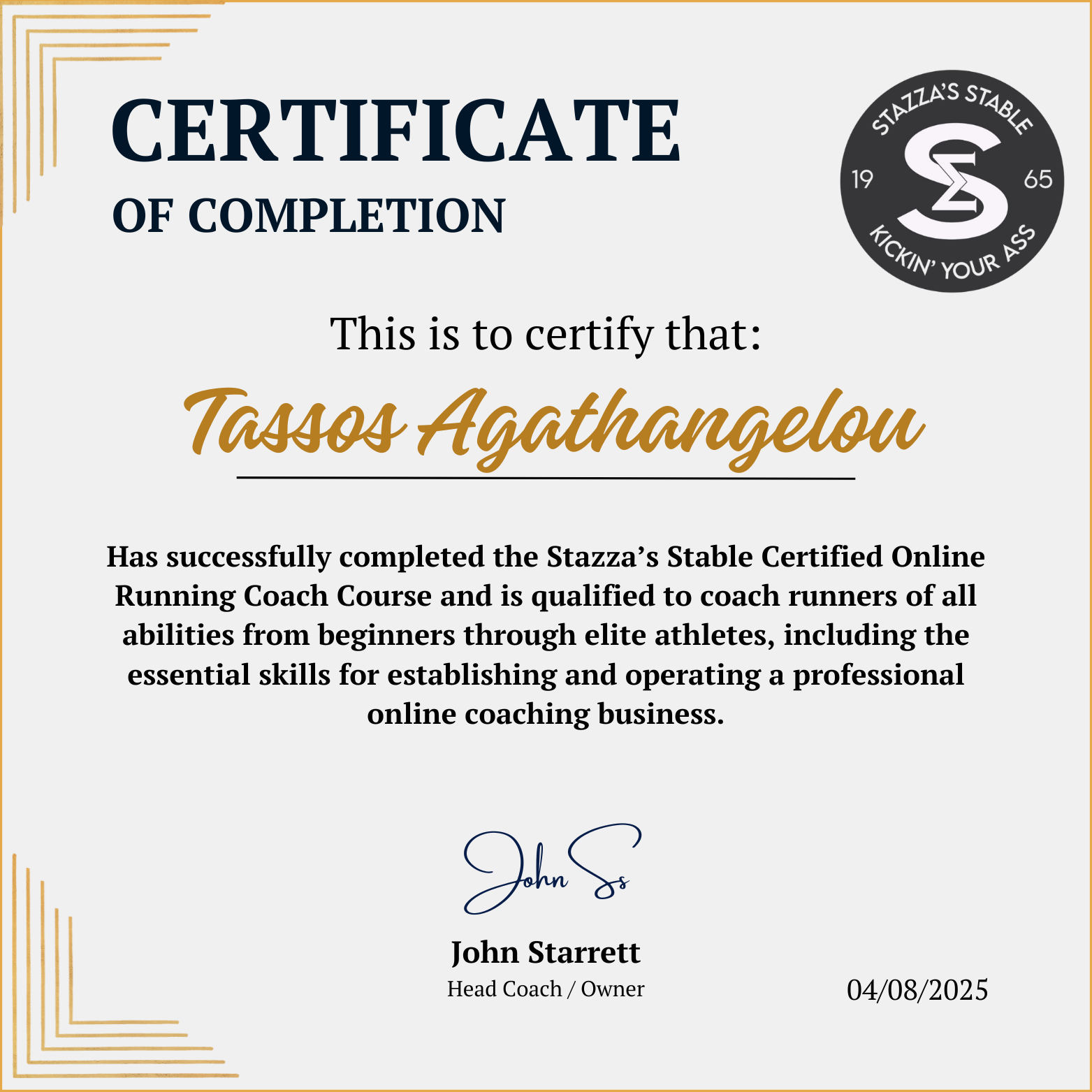
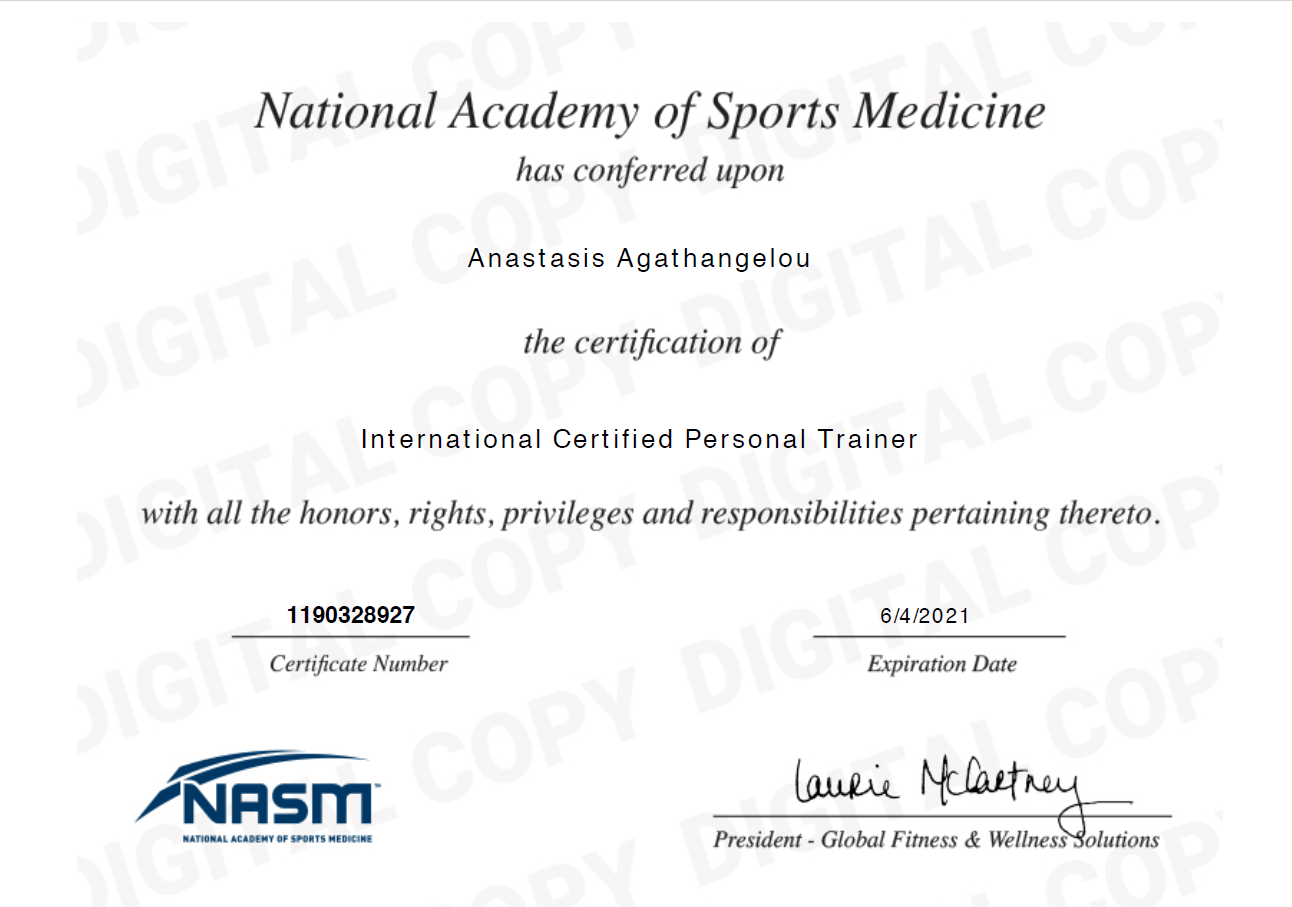
As an NASM Certified Personal Trainer and Stazza Certified Running Coach, I’ve guided runners worldwide to breakthrough results—building endurance, preventing injuries, and keeping running enjoyable at every stage of life.
Get Started TodayWhat Are Shin Splints (Medial Tibial Stress Syndrome)?
Shin splints are one of the most common running injuries. They involve pain along the medial (inner) tibia, usually in the lower third. This pain starts as a dull ache and, if ignored, can progress into sharp pain that stops you running.
Without proper management, shin splints can lead to a tibial stress fracture — which means months of recovery.
Common Causes of Shin Splints
- Rapid training increases — mileage or intensity spikes
- Hard surfaces — running mostly on concrete or asphalt
- Overpronation — excessive inward foot roll
- Weak hip/core muscles — poor kinetic chain control
- Biomechanical issues — stride inefficiency, overstriding, poor shock absorption
💡 Tip: A gait analysis can reveal hidden biomechanical contributors.
| Phase | Duration | Focus | Key Cues |
|---|---|---|---|
| Phase 1 | Weeks 1–2 | Rest, cross-train, reduce load | Pain should improve with rest; avoid sharp aggravation |
| Phase 2 | Weeks 2–4 | Strength & stability | Increase load only if symptoms minimal; maintain balance work |
| Phase 3 | Weeks 4–8+ | Return to running | Start easy, monitor symptoms, form check |
3-Phase Shin Splints Rehabilitation Protocol
Phase 1: Activity Modification (Weeks 1–2)
- Reduce or stop running temporarily
- Ice shin after activity
- Cross-train (cycling, swimming, aqua jogging)
- Start gentle shin/calf strengthening
- Correct training errors
👉 Learn why easy runs are the most important training day of the week
Phase 2: Progressive Strengthening (Weeks 2–4)
- Toe raises (anterior tibialis)
- Calf raises (posterior chain)
- Hip/glute strengthening
- Core stability training
- Gradual impact drills
Phase 3: Return to Running (Weeks 4–8)
- Walk/run progression on soft surfaces
- Structured mileage increase (≤10% weekly)
- Gait analysis & form adjustments
- Continue strength training
- Monitor symptoms closely
👉 Consistency is key — don’t skip strengthening once you’re back running.
Prevention: The Smarter Way
- Increase training gradually
- Rotate running surfaces
- Use proper footwear (replace every 600–800 km)
- Strengthen hips, core, calves, and shins
- Rest & recover properly
Remember: Prevention is easier than rehab.
Shin Splints vs. Sural Nerve Injury
Sometimes, what feels like shin splints may actually be nerve-related pain. The sural nerve, which runs along the back and outer part of the leg, can become irritated and mimic lower-leg pain.
Unlike shin splints, sural nerve irritation may cause:
- tingling
- burning sensations
- numbness along the outer leg and foot
If your shin pain feels unusual or includes nerve symptoms, it’s worth checking out my article on Sural Nerve Injury
“Coach T: Your Path from Pain to Personal Best. “
👉 Try the Free Marathon Pace Planner Now and run smarter, not harder!
How Coach T Can Help
I’m Coach T, a running coach who’s helped athletes of all levels manage injuries like shin splints and sural nerve issues while improving performance.
👉 Learn more about me here: Our Running Coach
Special Offer 🎁
To help you recover and return to consistent training:
- One month of personalized coaching FREE (no obligation to continue)
- Free video call consultation
Get started today: Tazi Running Coach
Key Takeaways
👉 Shin splints = medial tibial stress syndrome (pain along inner shin)
👉 Caused by training errors, hard surfaces, poor mechanics, weak muscles
👉 3-phase rehab: modify → strengthen → return to run
👉 Prevention beats treatment — build gradually, strengthen wisely
👉 Check for sural nerve involvement if pain includes burning/tingling
👉 Coach T offers free 1-month coaching to guide your recovery
About Coach T
I’m Coach T, an online running coach dedicated to helping everyday athletes unlock their potential. I’ve been mentored by Coach John “Stazza” Starrett—the man behind 700+ sub-3 marathons—and I bring his proven system to runners worldwide.
📞 Book a free call: RunningFitness365.com
References
- AAOS OrthoInfo: Shin Splints
- Cleveland Clinic: Shin Splints
- ChoosePT: Physical Therapy Guide — Shin Splints
- PMC: Shin Splint Review
- PMC: Sural Neuropathy Diagnosis & Management
- Running Fitness 365: Sural Nerve Injury
**Please note that the information shared in this article reflects my personal knowledge and experiences. It is not intended as professional advice and should not be relied upon as such. Always consult with a qualified expert or professional before making any decisions based on the content provided.



. Learn how to recover, prevent recurrence, and run stronger with guidance from Coach T — including one month of free coaching.)