


Let me start with something honest. Most marathon training plans were never designed for you. They were created for an imaginary runner with endless time, perfect sleep, low stress, and a body that adapts beautifully no matter what you throw at it. In other words, they were not created for real people living real lives.
And yet, every year, thousands of runners download the same generic plans and follow them like a script. They believe that if the plan says “run more”, then more must be better. If it says “add intensity”, then harder must be smarter. However, what usually happens is that runners become tired, frustrated, injured, or mentally burned out.
So they blame themselves. They think they are not disciplined enough or not built for long-distance running. But the truth is far simpler and far kinder.
The plan failed you. You didn’t fail the plan.
As an online running coach, I see this pattern constantly. Runners come to me saying, “Coach T, I trained harder than ever, but I feel worse than before.” And almost always, I see the same three mistakes: too much volume, wrong intensity, and no real recovery.
The Toolbox Problem in Marathon Training
Here is something most runners never think about. Training is not one single thing. It is a toolbox.
Inside that toolbox, we have many different tools: high volume training, double sessions, hill blasts, fartlek, tempo runs, intervals, strength work, easy aerobic runs, and long runs. Every single one of these is useful, but only when used for the right reason, at the right time.
The problem is that most marathon plans throw all the tools at the runner at once. They include everything: long runs, speed work, hills, doubles, and high weekly mileage. It looks advanced and impressive, but in reality it is like trying to fix a watch with a hammer, a screwdriver, and a chainsaw at the same time.
A good coach does not use all tools together. A good coach chooses the right tool for the job.
If a runner needs endurance, we focus on aerobic volume. If a runner needs speed, we use quality intensity. If a runner needs durability, we build consistency and recovery.
There is no reason to use every tool at once. In fact, doing so usually guarantees failure.
Too Much Volume: When One Tool Becomes the Only Tool
Volume is one of the most powerful tools in the box. Used correctly, it builds aerobic capacity, efficiency, and mental resilience. Used incorrectly, it destroys motivation and breaks bodies.
Most recreational runners already live under high stress. They work long hours, sit for most of the day, sleep less than they should, and rarely switch off mentally. Yet most marathon plans treat them like professional athletes and ask for five or six runs per week with aggressive mileage increases.
The mistake is not using volume. The mistake is using only volume.
When volume becomes the only tool, everything else suffers. Quality drops. Recovery disappears. The nervous system stays overloaded. Instead of adapting, the body goes into protection mode and progress slows down.
Volume should be one tool in the bag, not the whole bag.
The “Just Add More” Mentality
Many runners fall into the trap of always adding more. They finish a session and think, “I feel okay, so I’ll just do a bit extra.” Over time, this creates a hidden fatigue that shows up in slower paces, heavier legs, and constant soreness.
The body does not care if the extra miles were planned or not. It only cares about total stress. When stress keeps increasing but recovery stays the same, the system eventually collapses.
| 🏃 Training Habit | 🤔 What Runners Think | 🧠 What Actually Happens |
|---|---|---|
| Extra mileage | More fitness | Fatigue builds up |
| Using all tools together | Advanced training | Overload & confusion |
| No rest days | Consistency | Chronic stress |
| Always pushing | Mental toughness | Lower adaptation |
| Ignoring recovery | Commitment | Higher injury risk |
Wrong Intensity: Misusing the Tools
Intensity is another powerful tool. But again, it only works when used properly.
Most runners train in what I call the grey zone. They run every session at a pace that feels challenging but manageable. It feels productive, but it is neither truly easy nor truly hard.
The problem is that grey zone running gives you fatigue without giving you adaptation. Easy runs should allow recovery. Hard runs should create stimulus. Middle runs create confusion.
This is like using a screwdriver when you need a wrench. The tool is there, but it is being used for the wrong job.


Specific Marathon Training: Turn Science into Results
If you’ve ever felt stuck — training hard yet plateauing — you’re not alone. Most runners fall into the same trap: they confuse effort with effectiveness.
The good news? Once you understand and apply specific marathon training, everything changes.
- Recover faster
- Race stronger
- Enjoy training more
As Coach T, I’ll help you identify the right stimulus, apply it with purpose, and balance it with recovery — just like Canova’s champions and Stazza’s stable of sub-3 marathoners.
Together, we’ll turn science into results — and results into confidence.
Get Started TodayWhy Recovery Is the Most Ignored Tool
Recovery is the most powerful tool in the entire bag, and the one most runners completely ignore. Sleep, rest days, easy running, and stress management are not “optional extras”. They are what allow training to work.
Training breaks you down. Recovery builds you back stronger. Without recovery, even the best sessions lose their value.
Most marathon plans treat recovery as an afterthought. They assume the body will magically adapt. But adaptation only happens when stress is balanced with rest.
A coach does not just prescribe workouts. A coach designs recovery.
Why Recreational Runners Need Smarter Tool Use
Elite runners can survive bad tool choices. Their bodies are conditioned, their lifestyles support training, and their recovery resources are high. Recreational runners are different. They have limited time, limited sleep, and limited energy. That means every tool must be chosen carefully.
This is why coaching matters so much. Not because runners need more motivation, but because they need better decision-making.
The Coach T Philosophy: Choose the Tool, Not the Trend
When I coach runners, I don’t follow trends. I don’t blindly add hill blasts, doubles, fartlek, and speed sessions just because they sound impressive. I look at what the runner actually needs right now.
If endurance is missing, we use volume.
If speed is missing, we use intensity.
If durability is missing, we focus on recovery and consistency.
One goal, one tool at a time.
That is how you build fitness without breaking the system.
Why Copy-Paste Plans Fail So Often
Internet plans try to use every tool at once because they want to appeal to everyone. But in doing so, they help no one properly.
They don’t know your life. They don’t know your stress. They don’t know your recovery. They treat humans like identical machines.
But humans are complex systems. And complex systems need intelligent inputs, not random overload.
What Happens When You Train Smarter
When tools are used correctly, everything changes. Runners start feeling fresher not just physically, but mentally as well, because training no longer feels like constant survival. Recovery improves, soreness fades quicker, and energy levels stay more stable across the week. Instead of dragging themselves from one session to the next, runners begin to look forward to training again and feel in control of their progress. Most importantly, improvement becomes predictable instead of random, because every session now has a clear purpose and fits into a bigger picture.
Not because they train harder, push more, or suffer more. But because they finally train with intention, structure, and purpose, using the right tools at the right time instead of trying to use everything at once.
Why Coaching Makes Everything Simpler
My job as a coach is not to push you harder. It is to choose the right tool from the bag at the right moment.
I assess instead of guessing.
I simplify instead of complicating.
I optimise instead of overwhelming.
Because your body is not a test subject. It is a long-term investment.
👉 Right now, you can also book a call and get 1 month FREE coaching here:
🏃♂️ Get Your Free PlanFinal Words
Most marathon training plans fail because they misuse the tools. They rely too heavily on volume, apply intensity without clear purpose, and completely underestimate the power of recovery. Instead of building runners up step by step, they throw everything into the mix at once and hope something works. The result is predictable: tired bodies, confused systems, lost confidence, and a lot of wasted potential.
Smart training, on the other hand, is not about doing more. It is about doing what actually matters. It is about choosing the right tool for the right problem at the right moment, based on where the runner truly is, not where a generic plan assumes they should be.
Not all tools. Not all the time. Not all together.
Just the right one, used with intention, patience, and strategy.
And that is the real difference between blindly guessing your way through marathon training and being guided with clarity towards the strongest, healthiest, and most confident version of yourself as a runner.
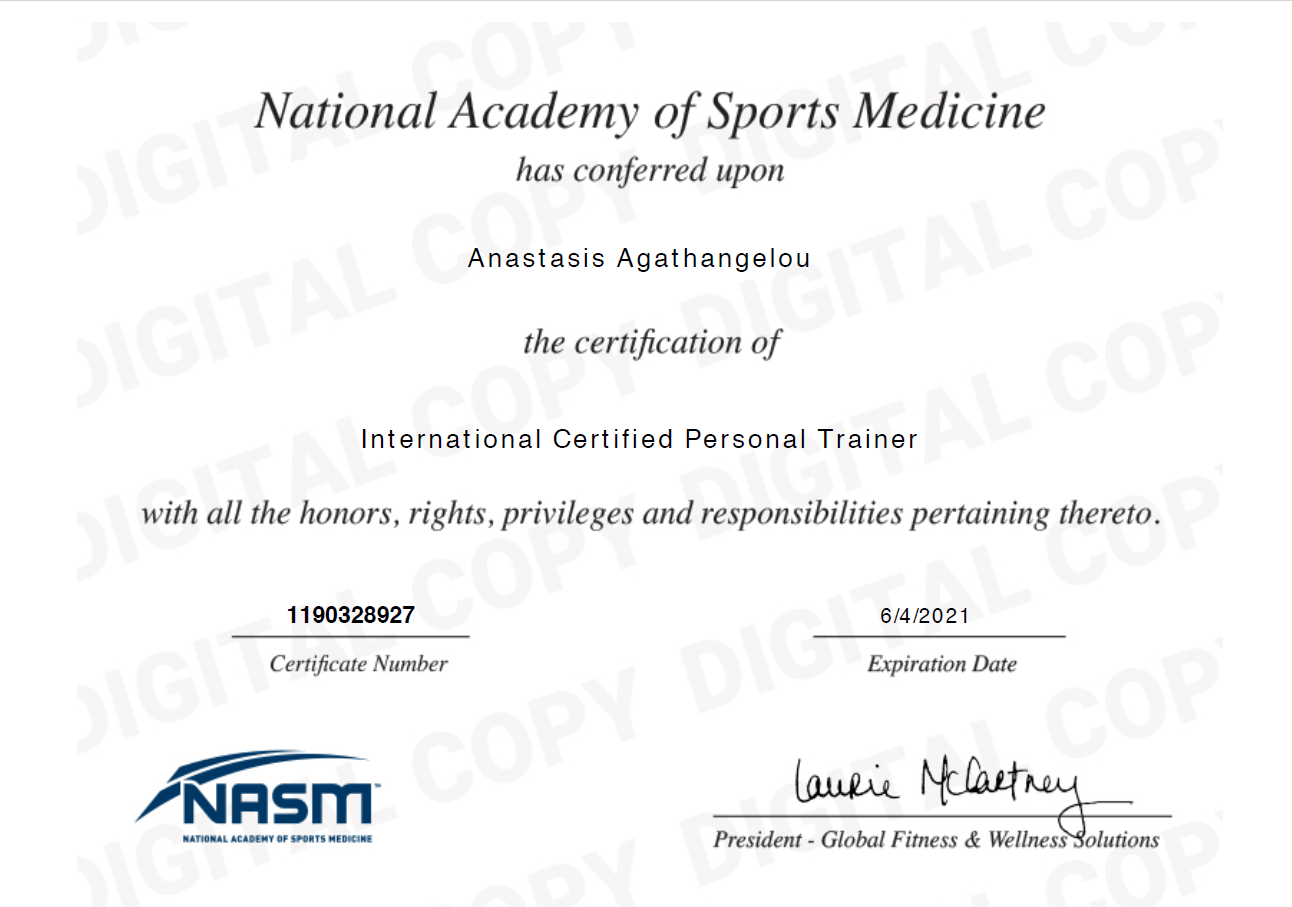
– Coach T, NASM-CPT
**Please note that the information shared in this article reflects my personal knowledge and experiences. It is not intended as professional advice and should not be relied upon as such. Always consult with a qualified expert or professional before making any decisions based on the content provide