

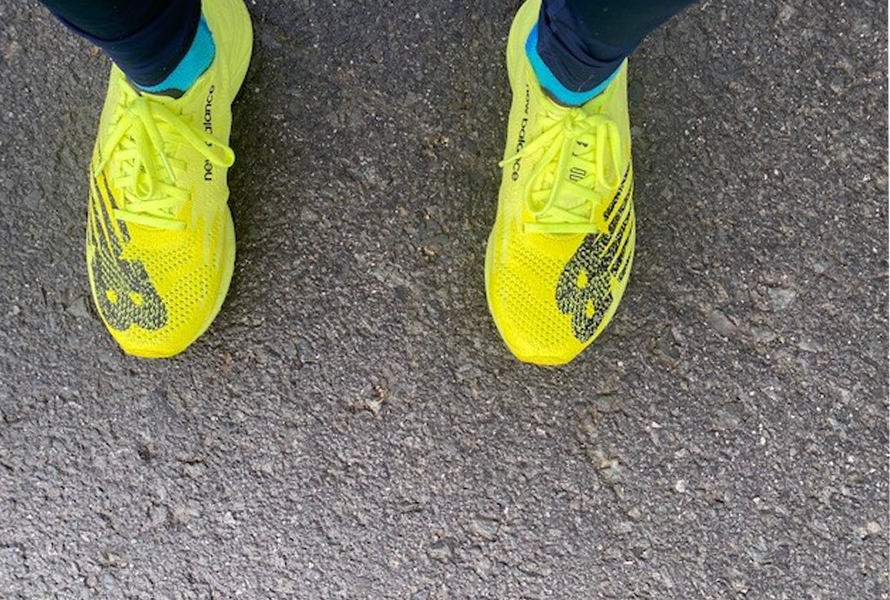
Hey everyone — Coach T here. If you’re training for a marathon and gearing up for that race-day thrill, one of the biggest decisions you’ll make is: which race shoe do I run in? You’ve probably watched dozens of YouTube reviews or read blog posts about “the best marathon shoe” … but here’s the kicker: those reviews often talk general features, not your individual stride. And that matters. Because your foot-strike profile (heel-ish, mid-foot, cadence changes) plus your training pace and strength all combine to determine how well a shoe will work for you. In this article we’ll dig deep: why reviews can mislead you, how your strike pattern changes between easy runs and tempo/race pace, how to pick the right shoe based on level and profile, and what strength work you must do so your body adapts to the modern carbon-plate shoes instead of tiring early. Ready? Let’s dive in to find out the best marathon shoes for your running style.
Why “one-size fits all” shoe reviews don’t work
When you pull up that shiny YouTube review of the latest carbon-plate racer, it looks slick. The reviewer talks about “bounce”, “lightweight”, “rocker feel”, “energy return”. But often missing from the conversation is their foot-profile, their strike pattern, their cadence, their fatigue threshold. Let me explain:
- A reviewer might be a pure forefoot striker at 3:00/km pace, but you might be a mild heel-to-midfoot striker at marathon pace (~4:10/km). Their ride-feel will be different.
- Their cadence, strength, form under fatigue may differ. They may land softly, you may not.
- They may never mention when their form changes (easy runs vs tempo vs race pace).
So when they say “this shoe felt amazing”, they’re speaking for them. For you, the same shoe might feel unstable at the heel, or your quads might fry at 25 km because your strike pattern changes. That’s why you — as a coachable athlete — need to bring your foot-strike profile into the decision-making. Otherwise you might end up with a shoe that looks perfect but doesn’t serve you

Specific Marathon Training: Turn Science into Results
If you’ve ever felt stuck — training hard yet plateauing — you’re not alone. Most runners fall into the same trap: they confuse effort with effectiveness.
The good news? Once you understand and apply specific marathon training, everything changes.
- Recover faster
- Race stronger
- Enjoy training more
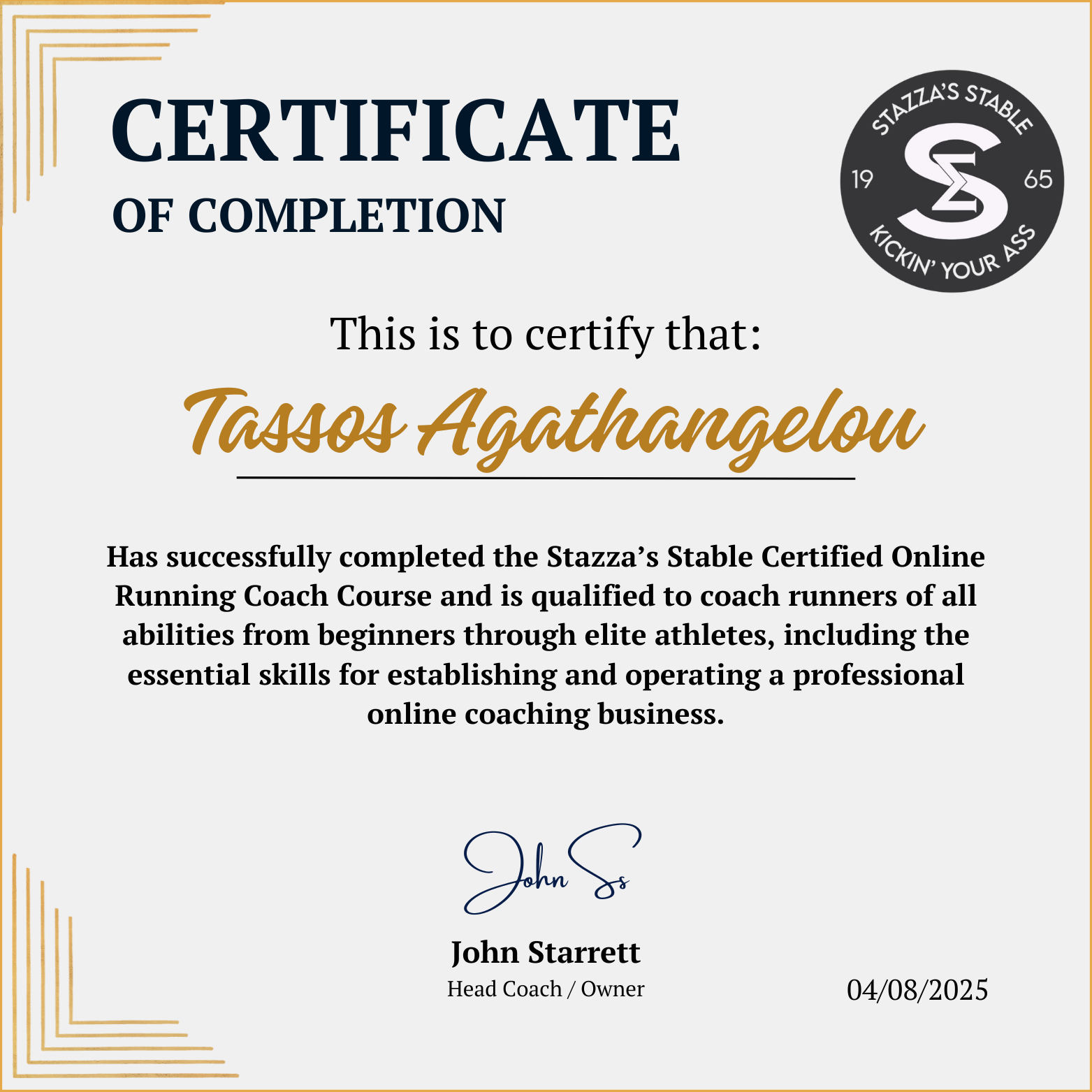
As Coach T, I’ll help you identify the right stimulus, apply it with purpose, and balance it with recovery — just like Canova’s champions and Stazza’s stable of sub-3 marathoners.
Together, we’ll turn science into results — and results into confidence.
Get Started TodayUnderstand how your foot-strike profile and cadence shift
Let’s talk about two important things: your foot-strike profile and your cadence — and how they change with pace.
Heel-ish vs mid-foot vs forefoot
A heel-ish striker lands on the heel (or rear-lateral heel) first, then rolls through. This is common in easy runs, especially for distance runners.
A mid-foot striker lands flatter, more under the centre of mass, has less heel contact, and rolls more evenly.
A forefoot striker lands up front or on the ball of foot, minimal heel contact, often higher cadence.
Many runners switch between patterns depending on pace: on easy runs you may heel strike, because cadence is lower and your ground contact is longer. On tempo runs (or race pace) your cadence goes up, stride shortens, and you might naturally shift toward mid-foot. That’s why: even if you’re a heel striker in easy runs, you may become a mid-foot striker at tempo/race pace.
Cadence and why it matters
Increasing cadence (e.g., toward 170-180 spm) shortens your stride, reduces ground contact time, and often moves your contact point closer under your hips (reducing braking). That shift tends to favour mid-foot contact. So when you select a race shoe, you need to ask: At race pace, what is my foot-strike profile? Because a shoe designed for a forefoot striker may not feel stable if you still land heel first. Conversely, a shoe built for heel strikers may feel sluggish or blunt when you shift mid-foot at tempo. Therefore, recognising your cadence/strike shift is an important factor in choosing your race shoe profile.
When carbon-plate shoes may not benefit you
Next — a caution. While modern “super shoes” (carbon-plate + thick foam) are being used by elites and serious runners, they’re not an automatic win for everyone. Here’s why:
- If you cannot hold efficient form late in the race (for example your heel-strike drifts or cadence drops), the shoe may amplify your inefficiency (more brake, more load).
- If your foot-strike is “pure heel + heavy impact” and you land far ahead of your hips, a race shoe with a high stack + rocker + narrow base may cause stability issues or fatigue (quads/glutes).
- If you do not train in the shoe and adapt your strength/stability, you may feel your muscles tire earlier (especially quads and glutes) because the plate shifts load away from ankles into larger muscles.
Next — a caution. While modern “super shoes” (carbon-plate + thick foam) are being used by elites and serious runners, they’re not an automatic win for everyone. Here’s why:
- If you cannot hold efficient form late in the race (for example your heel-strike drifts or cadence drops), the shoe may amplify your inefficiency (more brake, more load).
- If your foot-strike is “pure heel + heavy impact” and you land far ahead of your hips, a race shoe with a high stack + rocker + narrow base may cause stability issues or fatigue (quads/glutes).
- If you do not train in the shoe and adapt your strength/stability, you may feel your muscles tire earlier (especially quads and glutes) because the plate shifts load away from ankles into larger muscles.
So before you commit to a carbon-plate racer, ask: “Am I ready — strength, technique, strike profile — to take full advantage?” If not, a less aggressive racer or “entry carbon” may be wiser.
Four top race shoe profiles & how they match your strike and level
Now let’s analyse four top shoes, and I’ll show how I (Coach T) would recommend them based on your level and foot-strike profile. Then you can pick which one fits you.
Nike Alphafly 3
This is a very high-end, aggressive carbon-plate racer. For the serious runner targeting PBs, high cadence, very efficient form, and often mid-foot/forefoot strike at race pace. If you’re an elite or near-elite (or going sub-3:00 marathon for example) and you hold form, the Alphafly 3 gives maximum return. However, if you’re a heel-ish striker who lands heavy on the heel or your cadence drops late, this shoe may feel unstable or inefficient for you. I’d recommend it only if you can consistently run at higher cadence, land under your hips, and are comfortable with a steeper rocker and firm ride.
Saucony Elite 2 (Endorphin Elite 2)
This shoe offers a slightly more forgiving ride. It still has a carbon plate and racing geometry but has a higher drop (8 mm) and a more rounded heel that can accommodate a heel-ish or transitional stride. For someone who is mild heel-to-midfoot and might sometimes heel strike on easy runs but mid-foot at tempo, this is an excellent match. It gives you the “super shoe” advantages while offering a bit more heel stability. Ideal for sub-3:00 aspirants, solid experienced runners, especially those whose form is good but not perfect elite.
Puma Deviate Nitro Elite 3
This one is also super shoe level, but users report that the heel-base is narrower and the ride more aggressive. For a mid-foot/forefoot striker with high cadence this could be a rocket. But for a heel-ish striker who still lands significantly on the rearfoot, it may expose weakness (instability or quad fatigue). So I’d recommend it for strong runners, good form, mid-foot strike at tempo, looking for performance. For others, I’d caution and suggest testing thoroughly.
Adidas Adizero Adios Pro 4
This shoe sits in a strong position: carbon rods/plate, high stack, aggressive rocker, light weight. It is recommended for runners chasing PBs. Reviewed as “outstanding balance of bounce, cushioning, and long-distance efficiency”. If you are a mid-foot striker and have good form, this is top tier. For a heel-ish striker, you could use it — but only if you land cleanly under your hips and your heel contact is short and efficient (not heavy braking). If your heel strike is long and over-reaching, the Adios Pro 4 might feel less stable or overly aggressive.
Consideration for Overpronators
If you are an overpronator or mild overpronator, your foot naturally rolls inward during the stance phase. This biomechanical pattern affects stability in high-stack or carbon-plate shoes:
- Mild overpronators can often use most of the shoes listed (Alphafly 3, Saucony Elite 2, Puma Deviate Nitro Elite 3, Adios Pro 4) if the shoes have a slightly wider base or stable heel geometry. Testing them on long runs is essential to see how your arches and knees respond.
- Stronger overpronators may need extra support or stability features (firmer midsole, medial post, or custom insoles) to prevent knee/hip strain and excessive fatigue. Without support, carbon-plate shoes can amplify quad and glute fatigue, as the plate shifts load from ankle/foot to larger muscles.
💡 Coach T tip: Overpronators should never assume a “one-size-fits-all” race shoe works. Test each model, consider mild stability inserts if needed, and incorporate strength work to balance muscular load.
Quick Recap table
| Model | Ideal Strike Style | Runner Level / Best Use | Key Notes |
|---|---|---|---|
| Alphafly 3 | Mid-foot / Forefoot | Elite / sub-3:00 marathon PB seekers | High drop, aggressive rocker; less room for heel power/brake. |
| Saucony Elite 2 | Mild Heel → Mid-foot | Experienced runners aiming for sub-3 to sub-3:30 | Balanced; heel-friendly yet race-efficient. |
| Puma Deviate Nitro Elite 3 | Mid-foot / Forefoot | Strong runners with good form | Aggressive ride; less forgiving for heavy heel-landing. |
| Adizero Adios Pro 4 | Mid-foot (preferably) / Efficient Heel | PB hunters; sub-3 marathon & fast form | High performance; heel-ish use requires clean landing and control. |
Matching your shoe choice to your profile
Let’s pull this all together. Ask yourself these questions:
- At race pace, what is my foot-strike? Heel, mid-foot or forefoot?
- Does my cadence rise significantly from easy runs to tempo/race pace? Are you comfortable landing more under your hips as cadence increases?
- When I heel strike, do I land far ahead of my hips (overstride) or closer under the body? If overstriding, a shoe with narrow heel base may exacerbate braking and fatigue.
- What is my level and goal? Beginner first marathon, or chasing a PB? How consistent is my form under fatigue?
- Do I have any muscular or biomechanical weakness (quads fatigue early, glutes under-active, or issues like Achilles tendinopathy or Sural nerve injury) that might affect how the shoe loads me? (See my article on sural nerve injury at this-link
Why you might feel your muscles tired in a race-shoe and what to do about it
Many runners tell me: “Coach T, I feel my quads and glutes burning at 25-30 km when I use that fancy carbon shoe.” That is a real signal. Here’s why it happens — and what we do to fix it.
Why muscles fatigue in modern race shoes
Carbon plates + thick foam shift load away from the ankle/Achilles “spring” and onto the quads/glutes (knee/hip extension). So if your form is not super, your quads may do more work and tire earlier.
If you heel-land (especially far ahead), braking loads go into the knee/quad rather than spring energy. Over 25-30 km those loads accumulate.
Stack height and rocker geometry may create small stability demands. Your glutes (especially glute-medius) and hip stabilisers work harder to keep you upright and aligned — and they tire.
So the feeling of “muscle fatigue” is not because the shoe is bad — it’s because your body is being loaded differently and you may not have built the strength/technique for it yet.
Strength exercises to adapt your body
| Exercise | Description / Key Points | Video |
|---|---|---|
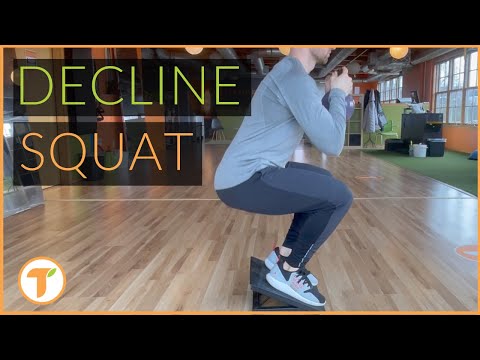
| Decline Squats (~15‑20° board) | Use a 15‑20° decline board. Lower in ~3 sec, then ascend at normal pace. Builds eccentric quadriceps control and manages knee/hip flexion. |
|
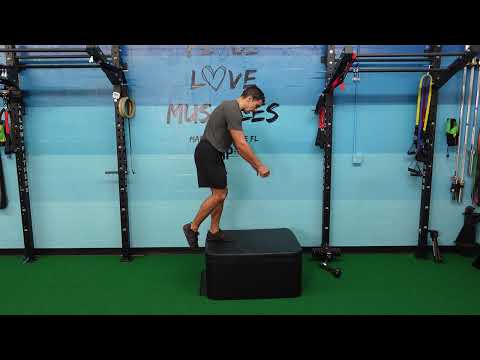
| Step‑Downs (Slow) on 20‑30 cm step | On a 20‑30 cm step, stand on one leg and slowly lower the other leg (~3 sec descent) keeping torso upright. Builds unilateral control and mimics fatigue impacts in marathon running. |
|
| Bulgarian Split Squats | Elevate rear foot on bench, front foot forward. Descend until front thigh ~parallel to floor. 3 × 10 each leg. Builds single‑leg strength and balance. |

|
| Single‑Leg Glute Bridge | Lie on back, one leg bent, other leg lifted. Drive through the heel of bent leg and lift hips. 3 × 12 each leg. Builds glute‑max endurance + hip extension strength. |

|
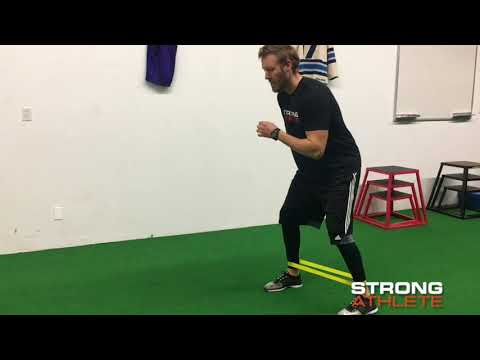
| Monster Walks with Mini‑Band | Band around knees or ankles, slight squat, step side‑to‑side ~10 m each way. 3 sets × ~20 steps each direction. Builds glute‑medius and hip/pelvis stability. |
|
| Side Plank + Leg Raise | In side‑plank position, lift your top leg ~10‑15 cm slowly, then lower. 3 × 10 each side. Builds core + hip stabilisers. |

|
| Romanian Deadlift (RDL) | Soft knees, hinge at hips back until hamstrings stretch then drive up. 3 × 8‑10. Builds posterior chain (hamstrings/glutes) to balance quad dominance. |

|
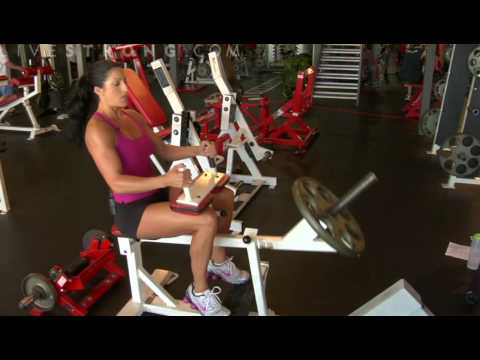
| Seated & Standing Calf Raises | Standing (gastrocnemius): 3 × 20 reps slow. Seated (soleus): 3 × 25 reps. Builds ankle/heel drive so less load shifts to quads late in the race. |
|
My Coaching Note & Offer
As your running coach (over at runningfitness365.com— check out my profile!), I work with runners exactly like you: five-day training weeks, aiming for big goals (sub-3:00 marathon, strong finish at 35-40 km, healthy form). If you’re serious about choosing the right race shoe and training your body to make it work for you (instead of you adapting to the shoe), then I invite you to book your call now and get two months free coaching:Book your call here . We’ll analyse your foot-strike, cadence, strength profile, long-run form and shoe rotation strategy so your marathon day reflects your best, not just the shoe hype.
Transition Safely to Carbon-Plate Shoes
Switching to carbon-plate racing shoes can be exciting, but it places new demands on your quads, glutes, and Achilles. Runners who transition too quickly may experience fatigue or even injuries. It’s crucial to gradually introduce these shoes into your training, starting with shorter runs and carefully building up mileage. Pay attention to your body’s signals, especially if you feel discomfort in your calves, heels, or along the outside of your foot. For guidance on potential issues, see Sural Nerve Injury and Achilles Tendinopathy. By easing into carbon-plate shoes, you can maximize their benefits while minimizing injury risk.
🏃♂️ Test Your Racing Shoes Before Marathon Day
One of the biggest mistakes runners make is saving their brand-new “super shoes” for race day. As Coach T, I can’t stress this enough — you must test your marathon shoes during at least two or three of your key long runs (usually between 28 km and 35 km).
This is where you’ll discover:
- How your quads, glutes, and calves react to the shoe’s plate stiffness and foam geometry.
- Whether your foot strike remains consistent when fatigue sets in.
- If the fit and comfort hold up after two hours on your feet.
Marathon racing shoes with carbon plates, like the Nike Alphafly 3, Adios Pro 4, Saucony Endorphin Elite 2, and Puma Deviate Nitro Elite 3, can feel magical for the first 10 km—but over a full marathon, they can either help you fly or slowly drain your muscles depending on your biomechanics and conditioning.
💡 Coach T tip: Treat your long runs as “dress rehearsals.” Use them to fine-tune not just your pacing and nutrition, but also to confirm your footwear choice. The goal is to reach marathon morning knowing exactly how your shoes will behave.
Final Takeaways
So what’s the best marathon shoes for your running style – Lets wrap it up:
- Don’t buy a race shoe purely because a review calls it “the fastest” — match it to your foot-strike, cadence shift and level.
- Understand how your strike changes: easy run vs tempo vs race pace. That influences shoe fit.
- Recognise that carbon-plate shoes are powerful, but not automatic advantage unless your technique, strength and form are ready.
- Use the comparison table above to pick a model aligned with you (heel-ish/mid-foot, level, goal).
- Invest in strength / stability work so your quads, glutes and stabilisers hold up past 25-30 km when your body gets tired.
- If you want support, training programs, personalised feedback — I’m here to help.
Believe in your training. Match the shoe to you. And when race day comes, stride strong, steady and confident.
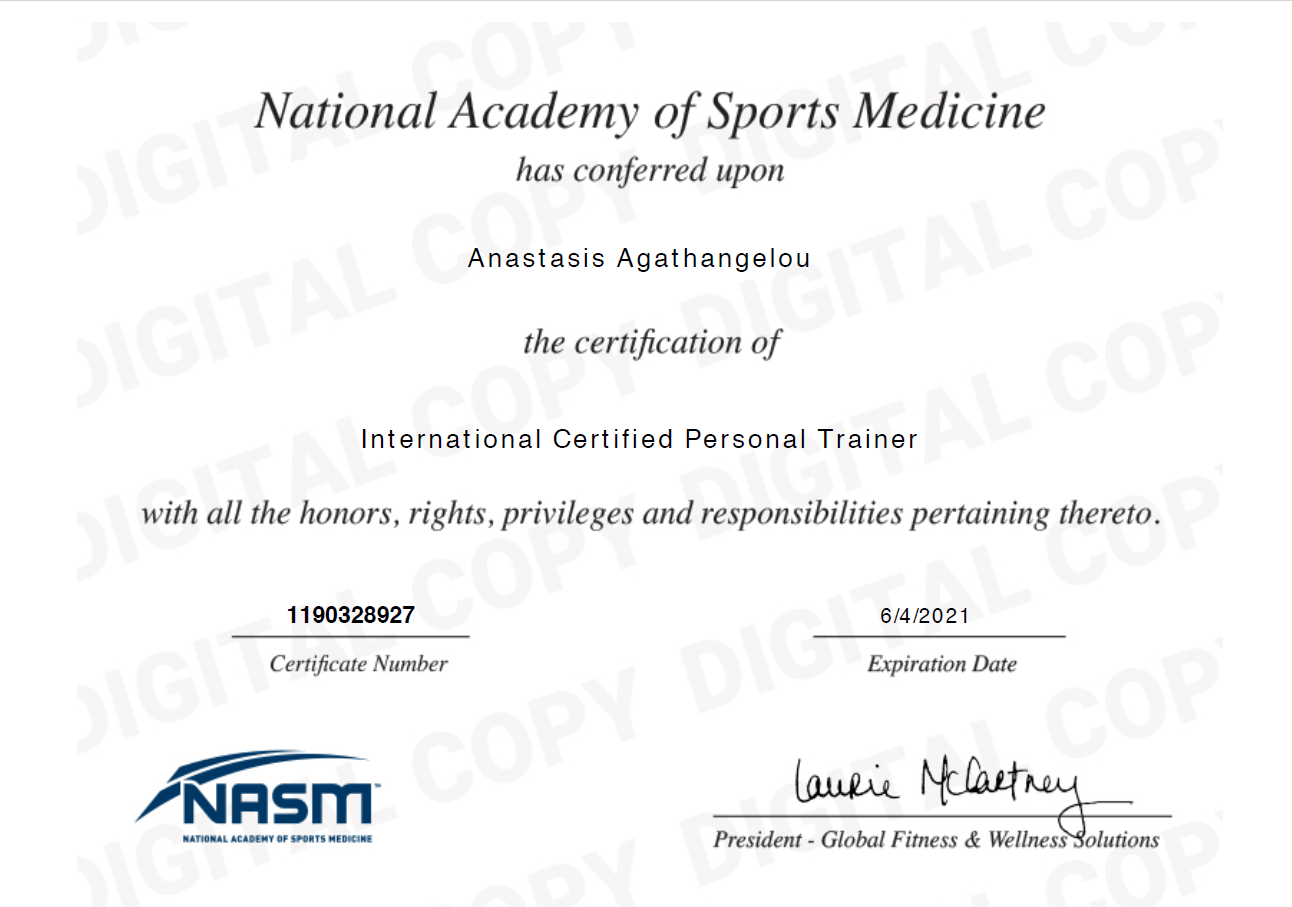
– Coach T, NASM-CPT
**Please note that the information shared in this article reflects my personal knowledge and experiences. It is not intended as professional advice and should not be relied upon as such. Always consult with a qualified expert or professional before making any decisions based on the content provided