

Why Fueling Matters More Than Ever
Think of glycogen as your internal battery. Once it runs low, your pace fades, posture breaks down, and even decision-making suffers. Carbohydrates are your body’s primary endurance fuel — and a predictable fueling routine keeps that battery charged all the way to the finish line.
🚀 Stop Guessing. Start Progressing.
Most runners don’t fail because they lack motivation—they fail because they lack a roadmap.
Coaching removes the guesswork, giving you the exact workload at the right time to keep you injury-free and improving week after week.
Exclusive Offer: Get Your First Month FREE
Ready to go from beginner to marathoner with a proven plan? Let’s talk.
Book Your Free Call Meet Coach T →This marathon fueling guide breaks nutrition down into seven smart, practical rules. They’re drawn from years of coaching marathoners, testing products, and learning what actually works. The mission is simple: keep your fueling plan simple, repeatable, and reliable.
Rule 1: Understand the Science of Energy
Your body can only store about 90 minutes’ worth of glycogen at marathon pace. Once it’s gone, you’re running on fumes — the “wall” every runner fears. Consistent carbohydrate intake prevents that crash, stabilizes blood sugar, and keeps your running economy steady.
Aim for roughly 60–90 grams of carbohydrates per hour during the marathon, delivered steadily through gels, chews, or drink mix. What matters most is timing and predictability, not fancy products.
For more on how mental focus supports your nutrition and pacing, read Mental Preparation for Your First Marathon — the perfect mindset partner to this fueling strategy.
Rule 2: Fuel Smart Before Every Run
Your goal before a run isn’t to feel stuffed — it’s to start topped-up and comfortable. Here’s the breakdown:
Short runs ≤ 60 minutes: Optional snack 30–60 minutes before (banana, granola bar, or toast with honey). These runs rely mostly on stored energy.
Moderate runs 60–120 minutes: A simple, carb-based meal 60–90 minutes before (porridge, bagel with peanut butter and jam, or rice pudding). Wash down with water or coffee to aid digestion.
Long runs ≥ 2 hours: Begin the night before. Shift dinner toward carbohydrates like rice, pasta, or potatoes, but keep fats moderate. Repeat your proven pre-race breakfast on the morning of your long run — this is your dress rehearsal.
Coach T tip: avoid fasted long runs near race day. They train mental toughness, not marathon performance.

Specific Marathon Training: Turn Science into Results
If you’ve ever felt stuck — training hard yet plateauing — you’re not alone. Most runners fall into the same trap: they confuse effort with effectiveness.
The good news? Once you understand and apply specific marathon training, everything changes.
- Recover faster
- Race stronger
- Enjoy training more
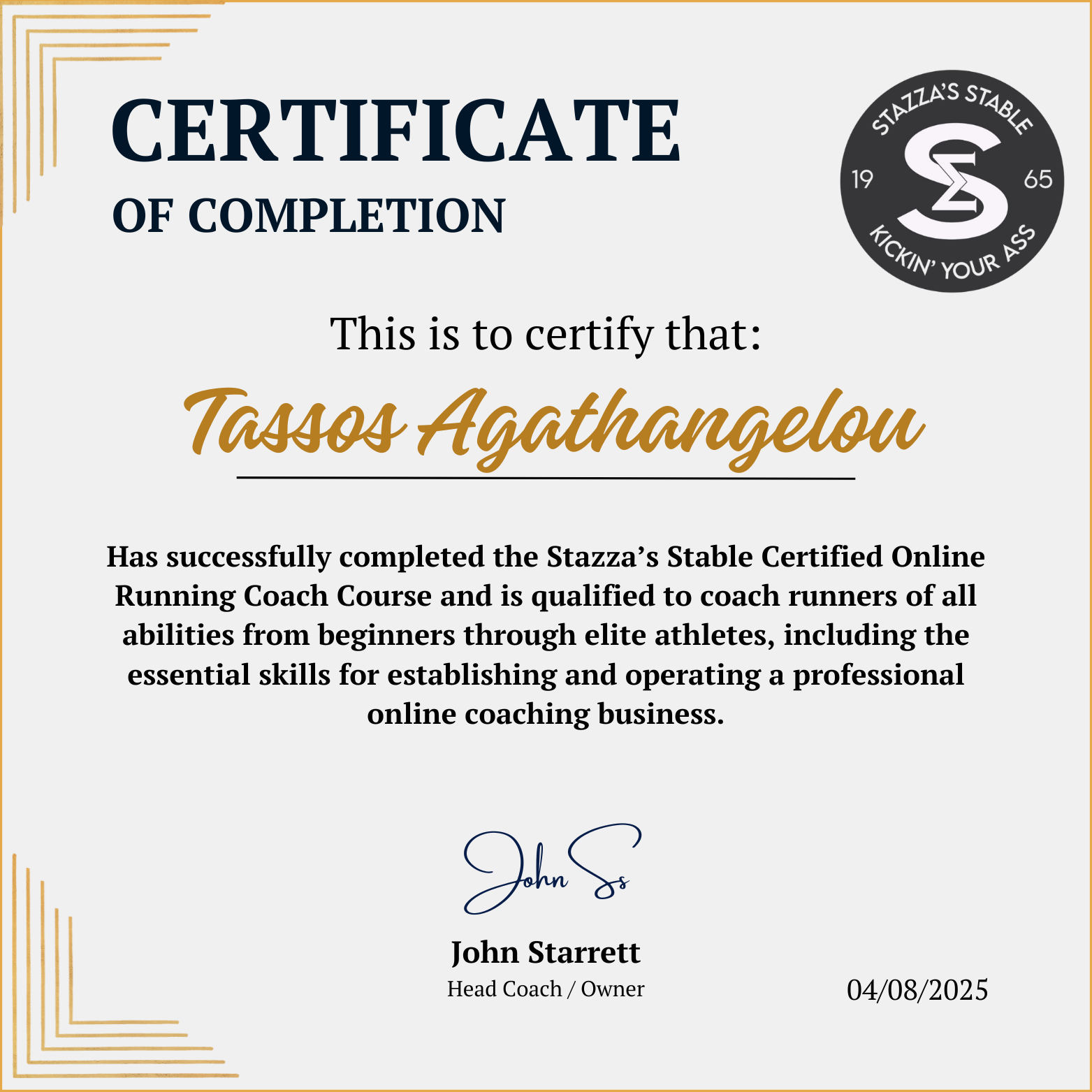
As Coach T, I’ll help you identify the right stimulus, apply it with purpose, and balance it with recovery — just like Canova’s champions and Stazza’s stable of sub-3 marathoners.
Together, we’ll turn science into results — and results into confidence.
Get Started TodayRule 3: Carb-Load the Smart Way
Carb loading isn’t an all-you-can-eat pasta mountain — it’s a two- to three-day ratio shift where carbs form the bulk of your calories so your muscles saturate with glycogen.
A good target is 8–10 grams of carbohydrate per kilogram of body weight per day for two or three days before race day. Use familiar, low-fibre foods to stay comfortable.
Example daily targets:
- 55 kg runner ≈ 550 g carbs/day
- 70 kg runner ≈ 700 g carbs/day
- 85 kg runner ≈ 850 g carbs/day
Spread intake across meals and snacks, and include smoothies or sports drinks to reduce bloat. Keep portions normal — it’s about balance, not overeating.

Rule 4: Fuel and Hydrate by Plan, Not by Feel
This rule combines your in-race fueling and electrolyte strategy into one clear system. When fatigue and adrenaline kick in, don’t rely on instincts — rely on your practiced plan.
Fuel Timing by Distance
- Half Marathon: First gel at 30 minutes, then every 35–40 minutes.
- Marathon (3–4 hrs): First gel at 25 minutes, then every 30 minutes (≈ 5–7 gels total).
- Sub-3 Marathon: First gel at 20 minutes, then every 25–30 minutes (≈ 4–6 gels).
- Ultra/Trail: Mix gels, chews, and small real-food bites every 20–30 minutes.
Hydration and Electrolytes
Sweat is more than water — it’s sodium and minerals leaving your system. Replace what you lose to avoid cramps and heaviness.
Light sweater: Water on cool days; electrolytes only in heat.
Moderate sweater: Tabs or gels with sodium during long runs.
Heavy sweater: Consistent sodium intake before and during runs.
Sip an electrolyte drink about 60–90 minutes before a warm race, take small sips regularly, and add sodium back in your recovery drink after finishing.
Coach T tip: in hot races, gels can feel sticky — switch to diluted drink-mix carbs for smoother absorption.
Rule 5: Choose the Right Fuel for You
Not all fuel formats digest the same, especially at marathon pace. Here’s how to pick what works for your body and event:
Gels: Easy to count and absorb. Pair each with a few sips of water to prevent gut stress. Try different textures and flavours early in training.
Drink mixes: Combine carbs and fluids in one step — great for long runs or races where you carry bottles.
Chews/solids: Perfect for steady-paced or trail events. Alternate textures to reduce “flavour fatigue.” Practice opening and eating them at speed.
Practice makes permanent. Train your stomach as much as your legs — and never introduce something new on race day.
Rule 6: Recover Like a Pro
The training session doesn’t end when you stop your watch; it ends when you refuel. Within 30 minutes post-run, aim for roughly a 3:1 carbohydrate-to-protein ratio to restore glycogen and support muscle repair.
Good recovery snacks:
- Chocolate milk
- Smoothie with banana, yogurt, and oats
- Rice bowl with chicken or salmon
Follow with a balanced meal including carbs, protein, and colourful vegetables.
Some runners find magnesium before bed helpful for muscle relaxation and sleep, but no supplement replaces consistent eating and sleeping habits.
Rule 7: Practice Your Plan and Logistics
Even the best plan fails if you can’t execute it while moving. Treat logistics as part of your training.
Use two-in-one shorts with thigh pockets, a running belt, or a light vest with soft flasks. If you train locally, stash gels at your car or garden “aid station.” You can even recruit a cyclist friend for long-run support. The goal is to make fueling automatic — no fumbling, no guessing.
If you’re new to structured training, read Programme Design for Beginner & Novice Runners
Coach T’s Myth-Busting Corner
“Fasted runs make you faster.”
They can build discipline, but for marathon prep they risk fatigue and slow recovery. Save them for easy recovery runs only.
“Carb loading means massive pasta dinners.”
Not true — it’s about ratio, not portion size. Use juices and smoothies to reach your target comfortably.
“Only drink water unless it’s hot.”
Sweat losses vary. If you finish runs with salt streaks or cramps, add moderate electrolytes.

“Gels upset my stomach.”
Usually a timing or hydration issue. Start early, pair with water, and test different brands.
“New miracle drinks fix everything.”
No product beats consistency and pacing. If it’s not tested in training, it doesn’t belong on race day.
Final Thoughts from Coach T
Fueling is a skill, not a guessing game. Plan it, practice it, and repeat it until it’s second nature. Every successful marathoner treats fueling as seriously as intervals or long runs.
Keep your strategy simple, steady, and personal. The right carbs, steady hydration, and practiced timing will turn all those training miles into performance you can trust — mile after mile, right through the finish line.
Coach T’s Takeaway:
Marathon fueling isn’t about luck — it’s about learning what your body needs and executing with confidence. Keep refining, keep logging what works, and keep running smart.
**Please note that the information shared in this article reflects my personal knowledge and experiences. It is not intended as professional advice and should not be relied upon as such. Always consult with a qualified expert or professional before making any decisions based on the content provided.