


I remember one race very clearly. Not because it was my fastest, and not because it was my worst. It was the race that forced me to rethink everything I believed about marathon training.
Everything was going perfectly that day. The weather was good, my pacing was controlled, and mentally I felt calm. You know that feeling when you’re ticking off kilometers and quietly thinking to yourself, “this might be it.” I had done the work, respected the process, and I wasn’t chasing anything early. I was running smart.
Then somewhere around 23 kilometers, something changed.
It wasn’t dramatic. There was no sharp pain or warning sign. My breathing was perfectly fine, my heart rate felt under control, but my legs… my legs didn’t feel like mine anymore. My glutes felt tight, my hamstrings stiff. Not painful, not cramping—just locked. That’s the only way I can describe it.
I tried to push, but nothing happened. I tried to open my stride, but it made things worse. It felt like the connection between my brain and my legs had been cut. And yet, I was still moving. My quads kept me going, dragging me forward in what I can only describe as survival mode running.
The next day made everything even more confusing. My quads were destroyed, completely gone. But my glutes and hamstrings—the ones that felt locked during the race—were barely sore.
That was the moment I realized something important.
This was not a fitness problem.

The Lie Most Runners Believe
Most runners believe the marathon is purely about fitness. They think if they can complete 30–32km in training, they’re ready. They believe if they hit their tempo sessions and long runs, race day will take care of itself.
I used to think exactly the same. But the marathon doesn’t test how fast you are when you’re fresh. It tests how well you can move when you’re tired, when your body starts to lose control, and when small inefficiencies become big problems.
This isn’t just another mile; it’s the ultimate truth-teller. It’s where PBs are etched into the history books or lost in the struggle—the place where you decide if you’re finishing with a trophy or a story.
What’s Actually Happening Inside Your Body
At the start line, you’re basically a gazelle in a singlet. You’re floating. Your hips are steady, your glutes are firing like well-oiled pistons, and your stride feels so smooth it’s like the road is moving for you. You’re not just running; you’re vibing.
But then, the late-mile party crashers arrive. Fatigue doesn’t exactly knock on the front door; it sneaks in through the back window while you’re busy checking your split times. It starts with a tiny “oops” in your pelvis—a millimeter of lost stability here, a little wobble there. To compensate, your stride starts reaching. You begin overstriding, just a hair, landing with your foot a tiny bit too far in front. Suddenly, you aren’t just running anymore; you’re accidentally hitting the “brakes” with every single step.
Then comes the Silent Coup. As Coach T, I’ll put it simply: your glutes don’t warn you or cramp. They just stop working, and once that happens, everything else has to pick up the slack
And here’s where those fancy Carbon Plates make things spicy. We all love our “super shoes,” but let’s be real: they’re a bit unforgiving. Think of that carbon plate as a stiff lever. It wants to catapult you forward, but if your glutes aren’t there to stabilize the ride, that extra energy has to go somewhere.
Since the glutes are officially on vacation, your quads are forced to pull a double shift. They’re absorbing the extra load, the road vibration, and those accidental braking forces. They’re basically doing the work of three muscles for the price of one.
And then—clunk. That weird, “locked” feeling hits. It’s not a painful cramp; it’s more like your legs have decided to turn into blocks of wood. It’s your body’s way of trading “fast and smooth” for “just get me to the finish line.” Your quads have finally looked at the workload and said, “Actually, I’m good. I’m done.”

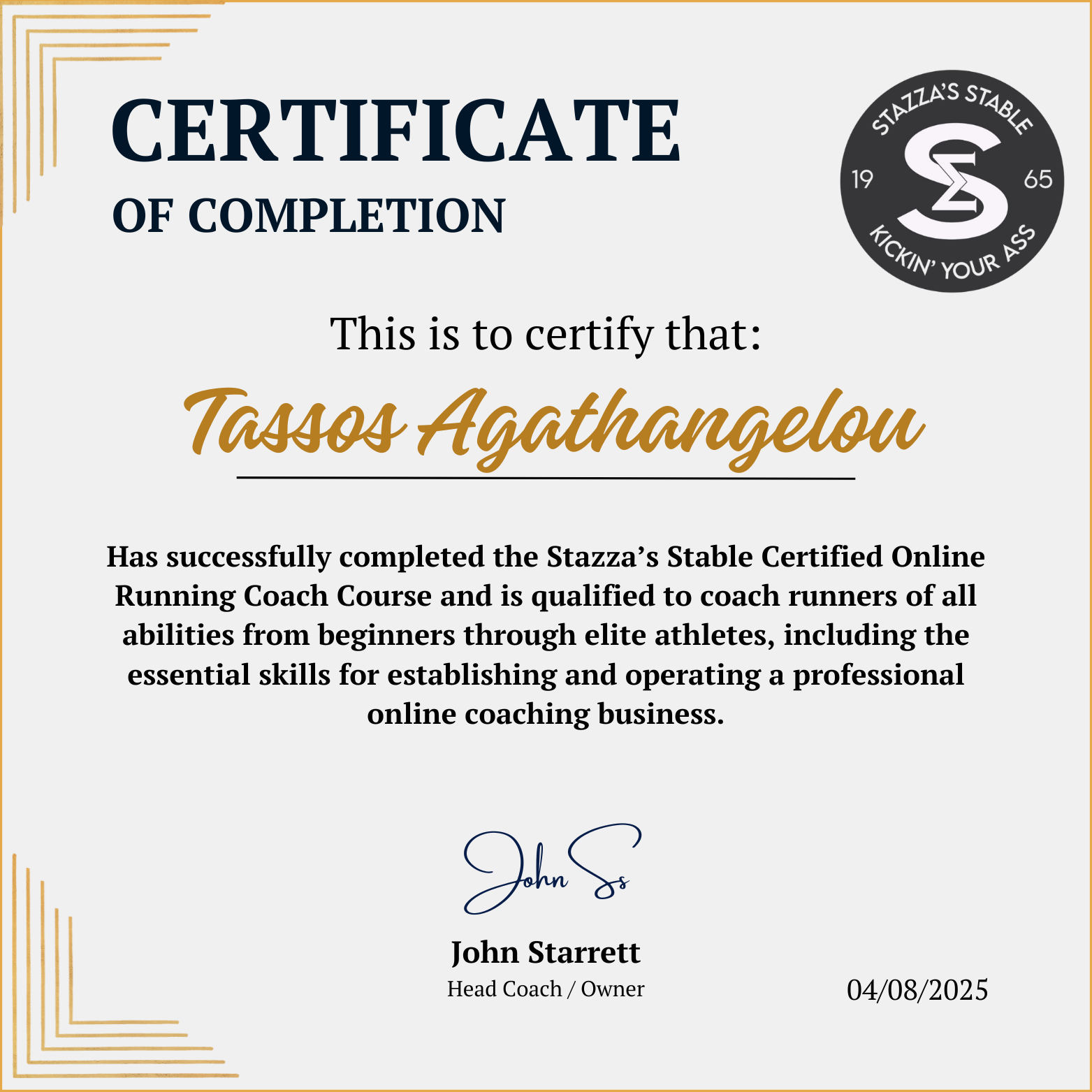
Marathon Coaching: Train Strong, Stay Injury-Free
Training for a marathon isn’t just about doing more miles — it’s about doing the right work at the right time, without breaking down.
As Coach T, I help runners train smarter, stay consistent, and build the strength and structure needed to run strong and injury-free.
- Train safely with purpose
- Reduce injury risk and fatigue
- Build long-term marathon fitness
Whether you’re chasing a PB or simply want to enjoy running without setbacks, I’ll guide your training with a balance of science, coaching experience, and sustainable progression.
Let’s train with confidence — strong, healthy, and ready on race day.
Get Free Coaching SupportWhy Training Doesn’t Show This
This is where most runners get confused. In training, you can run 28 or even 32 kilometers and feel relatively fine. You might feel tired, but not broken. You might even hit marathon pace late in the run and think everything is working perfectly.
But training is controlled. It’s cooler, calmer, and more predictable. Racing is different. There’s adrenaline, pressure, subtle surges, and environmental stress. And most importantly, there’s a point where your body is pushed just slightly beyond what it has practiced.
That’s where the breakdown happens.
The Turning Point in My Coaching
After experiencing this more than once, I stopped asking runners a very common question: “Are you fit enough?”
Instead, I started asking something much more important. Can you maintain your mechanics when fatigue hits?
That question changed everything. Because suddenly the solution wasn’t about adding more mileage or more intensity. It wasn’t about chasing fitness. It was about building control.
Introducing: The Unlocked Runner Routine
This is the system I built from experience, both from my own struggles and from coaching runners who faced the exact same issue. I call it the Unlocked Runner Routine by Coach T.
It’s not random exercises. It’s not about spending hours in the gym. It’s a focused approach designed to teach your body how to stay connected when it matters most. And I’m giving it to you today for free.
The Routine That Changes Everything
The Unlocked Runner Routine by Coach Tazi
Fix your late-race breakdown. Unlock your stride.
| Exercise | Category | Sets | Reps | Focus & Equipment |
|---|---|---|---|---|
| Glute Bridges | Activation | 3 | 15 | Squeeze glutes; wake up the engine. |
| Band Walks (Multi-direction) | Activation | 2 each | 15 /side | Band at ankles; targets outer hips. |
| Adductor Pulls | Activation | 3 | 12 /side | Band anchored; pull leg across body. |
| 3-Way Banded Combo | Activation | 3 | 10 /side | Side → Kick back → Knee up. |
| Banded Running Man | Activation | 3 | 10 /side | Snappy piston motion. |
| Single-Leg RDL | Stability | 3 | 10 /side | Weight in opposite hand. |
| Bulgarian Split Squat | Strength | 3 | 8 /side | Lean forward to load glutes. |
| Goblet Squat | Strength | 3 | 12 | Push knees out. |
| Sumo Squat | Strength | 3 | 12 | Wide stance; knees out. |
| Tibialis Raises | Strength | 3 | 15–20 | Toes to shins; wall lean. |
| Couch Stretch | Mobility | 2 | 60s | Open hip flexors. |
| Lying Hamstring Stretch | Mobility | 2 | 60s | Relax high hamstring. |
Progression Note
Weeks 1–2: Perform 1 set per exercise. Focus on learning the movements, control, and smooth execution.
Weeks 3–4: Progress to 2 sets per exercise as movements feel more natural and repeatable.
Week 5 onward: Follow the routine exactly as listed in the table, completing all prescribed sets and reps. This is where the work becomes more demanding and adaptations truly begin.

Why 2 Days Per Week for 12 Weeks Works
You don’t need to destroy yourself in the gym. In fact, doing too much would only make things worse. What your body needs is consistent, targeted work that builds connection without adding unnecessary fatigue.
When you train this routine twice per week, something interesting happens in the first few weeks. You’re not really getting stronger yet. Instead, your nervous system is learning. Your brain is getting better at sending signals to your glutes, and those muscles start to respond again. Movements feel smoother, more natural, more controlled.
Then, as you move into weeks eight to twelve, the changes become structural. Your muscles and tendons begin to adapt. They become stronger, more resilient, and more capable of handling the stress of running under fatigue. This is where you stop just feeling better—you actually perform better.
But Here’s the Truth Most Miss
Doing this routine alone won’t completely solve the problem. It prepares your body, but you still need to connect it to your running. That’s why fatigue-specific training is essential. During your long runs, once you reach that point where your legs are already tired, you introduce marathon pace. That’s where everything comes together. That’s where your body learns to stay stable when it normally wouldn’t.
🚀 Stop Guessing. Start Progressing.
Most runners don’t fail because they lack motivation—they fail because they lack a roadmap.
Coaching removes the guesswork, giving you the exact workload at the right time to keep you injury-free and improving week after week.
Exclusive Offer: Get Your First Month FREE
Ready to go from beginner to marathoner with a proven plan? Let’s talk.
Book Your Free Call Meet Coach T →Final Words
The marathon is brutally honest. It doesn’t care how strong you feel in the first half. It only cares about how well you hold yourself together when everything starts to fall apart. Fix that, and everything changes. You don’t just survive races anymore. You unlock them.
Remember: Your race is powered by two engines—your fuel and your mechanics. If you’ve nailed this routine but find your energy fading before your muscles do, you might be running on an empty tank. Check out my Marathon Fueling Guide: 7 Smart Nutrition Rules to ensure your internal battery stays charged as long as your glutes do.
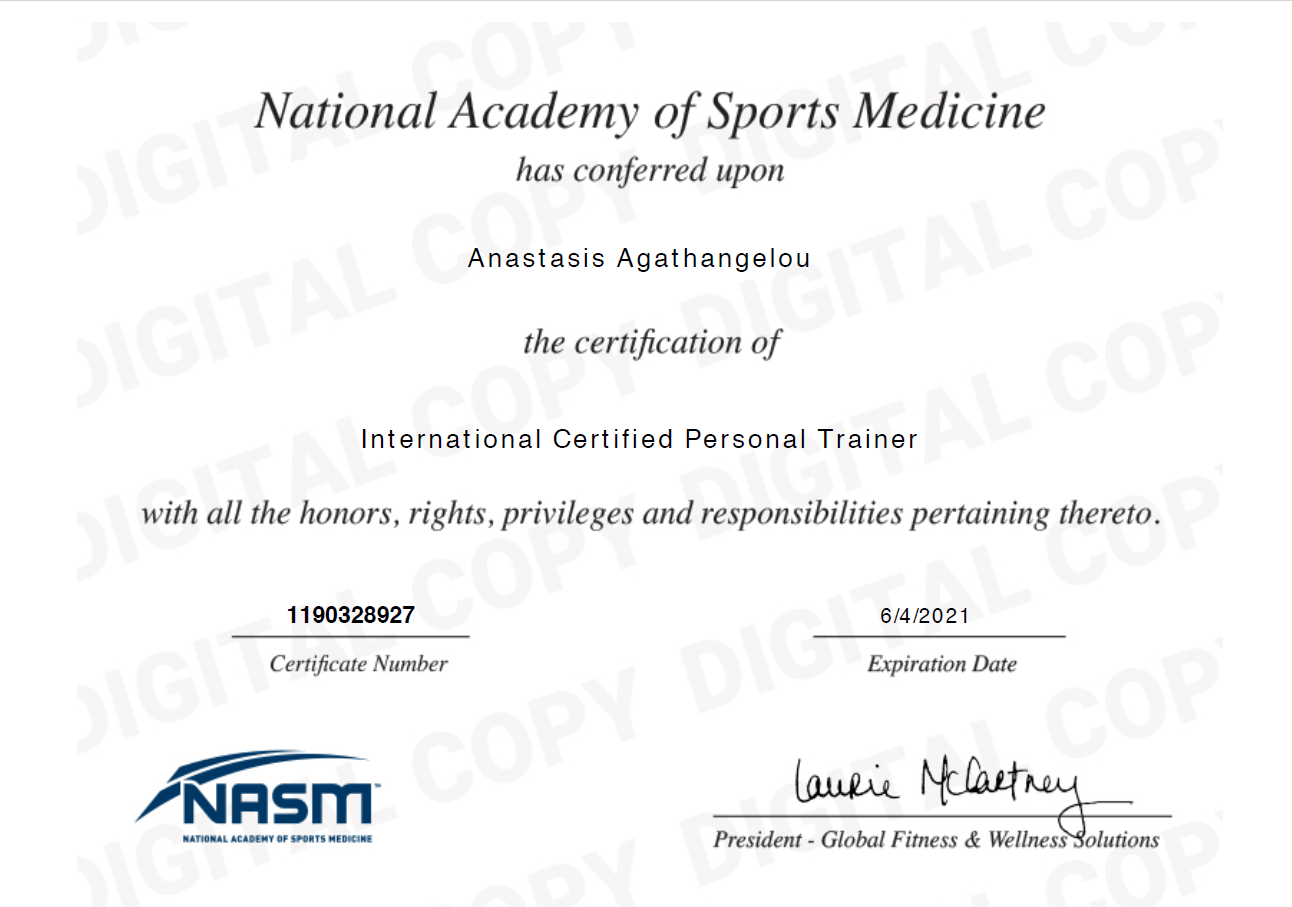
– Coach T, NASM-CPT
Please note that the information shared in this article reflects my personal knowledge and experiences. It is not intended as professional advice and should not be relied upon as such. Always consult with a qualified expert or professional before making any decisions based on the content provided.