


Running in the summer brings longer days, sun-soaked scenery, and opportunities to hit new goals. Yet, for all its beauty, running in hot weather poses serious challenges—from dehydration and heat stress to sluggish performance and even health risks. Whether you’re a seasoned marathoner or a recreational runner aiming to stay consistent, understanding how to navigate the heat is critical. In this comprehensive guide, we share the most effective summer running tips and strategies to help you thrive—not just survive—during the hottest months.
☀️ Why You Need Special Summer Running Tips for Hot Weather
Training in summer conditions isn’t just about tolerating the heat. It’s about adapting your running habits to protect your health while still pushing performance forward. As temperatures and humidity rise, your body must work harder to regulate temperature, and this increased strain can quickly lead to fatigue, overheating, or worse.
But with the right adjustments, summer running can be a powerful training tool. The body becomes more efficient at cooling itself, cardiovascular fitness improves, and mental toughness gets a boost—all of which contribute to a strong fall or winter race season.
How to Run in the Heat Without Burning Out

Coach Tazi
Endurance & Heat Training Coach
🔥 Struggling to run well in hot weather?
Most runners don’t actually lose fitness in summer — they lose control of pacing, hydration, and intensity. The result is slower runs, poor recovery, and frustration.
Once you adjust how you train in heat, your performance stabilizes again — even in extreme conditions.
⏳ Gradual Acclimatization Is Key
If you’ve been running in cooler temperatures and suddenly face 30°C+ days, don’t jump straight into long or hard workouts. Instead, give your body 7–14 days to adjust. Start with short, easy-paced runs during warm parts of the day, then gradually increase distance and intensity.
During this phase, your perceived effort will feel harder than normal. Don’t chase your usual pace—adjust your expectations and focus on effort. Over time, your body will adapt by increasing plasma volume, improving sweating efficiency, and becoming more heat-tolerant.
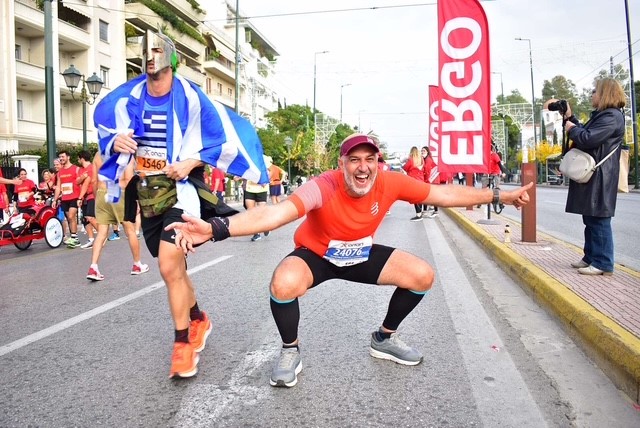
“I stopped trusting pace in Cyprus heat — and started training differently.”
Training in Cyprus heat and humidity changed how every session felt. Some days everything looked fine on paper, but the effort didn’t match the pace at all.
At first I thought something was wrong with my fitness. I kept trying to force sessions to match previous numbers, but it only made training more inconsistent.
The change came when my training structure shifted away from strict pace targets and towards effort, recovery, and environmental stress.
That’s when things stabilised. I didn’t suddenly become faster — but I stopped misreading every hard session as a problem.
The main value for me was having someone explain what was actually happening physiologically and adjusting training so I stopped fighting the conditions.
— Demetris, Cyprus
🕒 Time Your Runs Smartly
The timing of your workouts can make or break your summer training. The coolest window typically falls before 9 a.m. or after 7 p.m. Early morning runs offer cooler temps and lower pollution levels, while evening runs can be mentally refreshing after a long day.
In very humid climates, the heat index—not just the temperature—determines how risky the conditions are. Always check local weather apps for “feels like” temperatures and consider moving your session indoors when necessary.
👕 Wear the Right Gear
What you wear matters more in the summer than any other time. Opt for:
- Light-colored, loose-fitting, moisture-wicking fabrics
- Technical running tops and shorts designed to enhance airflow
- Hats or visors for shade
- UV-blocking sunglasses
- Sunscreen with SPF 30+ to avoid sunburn (which impairs cooling)
Avoid cotton and dark-colored clothing, which retain moisture and heat.

If you’re training in consistently hot and humid conditions, it’s worth understanding how your environment shapes your performance across the entire season. We go deeper into this in our guide on coaching support for runners training in extreme heat and humidity , where we break down how structured coaching helps athletes adapt, stay consistent, and avoid the common mistakes that lead to burnout in summer training blocks.
Reroute and Recalibrate
Running in full sun can raise your body temperature dramatically. Choose shaded trails, park paths, or coastal routes. Running laps around a park or a shorter route with a water station allows better control of hydration and safety.
Most importantly, slow down. Even elite athletes adjust their pace in extreme conditions. Using perceived exertion or heart rate zones instead of pace will make your training more effective and safer.
Hydration Tips for Runners: Stay Ahead of the Heat
Hydration isn’t just about drinking water—it’s about fluid timing, electrolyte balance, and recognizing your body’s changing needs. Dehydration of just 2% body weight can impair performance and cognition.
Before the Run
Hydration starts well before you lace up. Ideally, begin drinking water consistently throughout the day. For morning runs, ensure you’ve consumed enough fluids the evening before.
Best practice:
- 2–3 hours pre-run: 17–20 oz. (500–600 ml) of water
- 20–30 minutes before: 8 oz. (240 ml) of water or electrolyte drink
For runners who sweat heavily or have had poor hydration the day before, adding a pinch of salt or an electrolyte tab can improve fluid retention.
During the Run
Your hydration strategy will depend on the length of your run and the heat. For efforts over 45 minutes:
- Carry a handheld bottle, hydration vest, or plan routes with accessible fountains
- Sip 5–8 oz. every 15–20 minutes (roughly one mouthful every 5–7 minutes)
- Use electrolyte-enhanced fluids if you’re running over an hour or if it’s particularly hot and humid
After the Run
Recovery hydration is often overlooked but critical. You should aim to drink 16–24 oz. (500–700 ml) for every pound lost during the run. This can be estimated by weighing yourself before and after training.
Include:
- Sodium for electrolyte replacement
- Protein (10–20 grams) for muscle repair
- Carbohydrates to restock glycogen
Avoid overhydration, which can dilute sodium levels and lead to hyponatremia, a potentially dangerous condition.
🏃♂️ Summer Marathon Training: Smart Adjustments for Long-Term Gains
Training for a marathon during summer requires extra vigilance and creativity. You can still log quality mileage and build fitness, but it’s vital to respect the heat.
Modify Your Training Plan
Move long runs and high-intensity workouts to cooler hours, or split sessions into double runs to reduce exposure. Use treadmills with fans and proper ventilation for quality speed work if it’s dangerously hot outside.
If you miss a session due to heat, don’t panic. Consistency matters more than perfection. Plan cutback weeks and include extra recovery days when temperatures spike.

Prioritize Effort Over Speed
In summer, pace becomes unreliable due to heat stress. Instead, train by heart rate or Rate of Perceived Exertion (RPE). Accept that your splits may be slower—but know that physiological benefits are still happening.
This approach not only keeps you safer, it prepares your body to thrive when cooler weather returns, often resulting in breakthroughs during fall races.
Fueling and Recovery in the Heat
Hot weather suppresses appetite, but fueling remains crucial. Opt for light, nutrient-dense snacks like smoothies, bananas, or energy bars. Stay away from greasy or high-fat foods before runs.
Monitor your sweat rate every few weeks and adapt your hydration and fuel intake. On extra-hot days, consider carrying fuel even on shorter runs.
🔥 Heat Training for Runners: Use the Heat to Your Advantage
While it may sound counterintuitive, training in the heat can actually enhance your performance—if done safely.
The Physiological Benefits
- Increased plasma volume: Boosts blood flow and cooling efficiency
- Lower core temperature at rest: Improves heat tolerance
- Improved sweat response: More effective cooling and salt retention
- Cardiovascular efficiency: Similar benefits to altitude training
These adaptations can increase VO2 max and lactate threshold over time.
Active and Passive Heat Training
- Active: Run in the heat at an easy pace (60–90 mins) for 5–9 days in a 2-week period
- Passive: After easy runs, sit in a sauna or hot bath (10–20 minutes) to simulate heat stress without mechanical load
Passive heat exposure enhances adaptation when done post-exercise, but should never replace running itself.
⚠️ Don’t Ignore the Warning Signs
Heat training isn’t for everyone. If you experience dizziness, nausea, cramps, confusion, or chills—stop immediately. Always hydrate well, use proper recovery, and avoid heat training when sleep-deprived, ill, or dehydrated.
“If you can train smart through the heat, you’ll race fast in the cool.” — Deena Kastor, Olympic medalist & American marathon record holder
FAQs: Summer Running Tips and Heat Safety
How can I safely run in high humidity?
Run early or late, reduce pace, wear breathable clothing, and hydrate with electrolytes. High humidity inhibits cooling through sweat, so effort feels harder. Listen to your body and take walking breaks if needed.
⚡️ What are the signs of heat exhaustion while running?
Early symptoms include heavy sweating, cramps, nausea, dizziness, and headache. Severe cases can include confusion, fainting, and chills. Stop, hydrate, and cool off immediately if symptoms occur.
🏃 Should I adjust marathon training in the summer?
Yes—shift quality sessions to cooler times, reduce long-run durations when heat is extreme, and allow more recovery. Use effort or heart rate as your primary guide.
How much water should I drink during a hot-weather run?
5–8 oz. every 15–20 minutes is a good rule, but adapt based on your sweat rate. Use scales to weigh yourself before and after runs to determine fluid loss.
Is heat training suitable for beginner runners?
Only after a base level of fitness and under safe conditions. Start with short sessions in mild heat and monitor your recovery closely. Always prioritize safety and consult a coach or physician if unsure.
💪 Final Thoughts: Embrace the Heat, Run Smart All Summer
Summer running offers more than just sweaty shirts and sunburns—it’s an opportunity to build resilience, cardiovascular strength, and mental fortitude. By following these summer running tips and mastering how to approach running in hot weather, you set yourself up for long-term success. Hydrate strategically, adjust expectations, and turn up the smart—not just the heat—in your training.
Don’t fear the summer. Embrace it, adapt to it, and watch your fall performances shine.
👟 Ready to take the next step? A coach can help you implement these strategies with expert guidance, accountability, and personalized support. Working with a coach like Coach T means you’re never running alone—mentally or physically.
🎁 Limited Offer: Claim your free 1-month custom running plan today. Spots are limited, so don’t wait: Get Your Free Plan Here
**Please note that the information shared in this article reflects my personal knowledge and experiences. It is not intended as professional advice and should not be relied upon as such. Always consult with a qualified expert or professional before making any decisions based on the content provided.