

Why Strength Training Matters More Than You Think
Hey team — Coach T here.
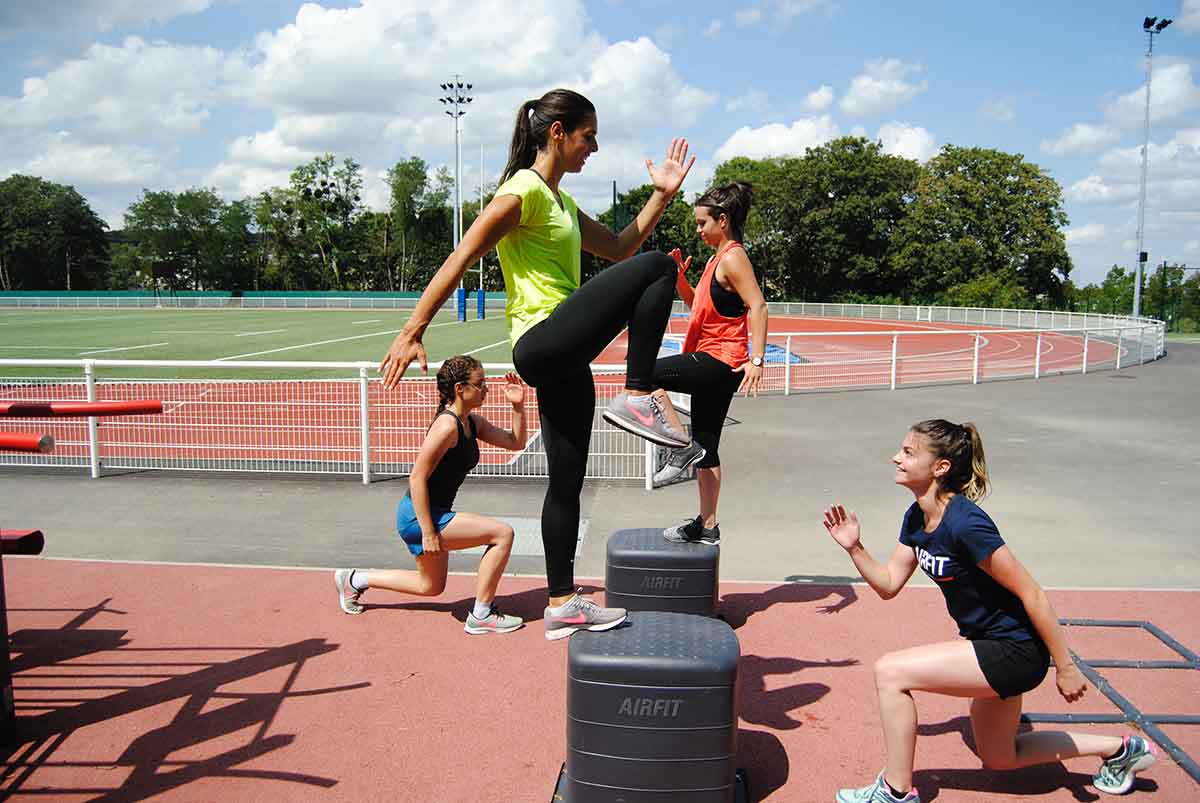
If you’ve ever believed that running alone is enough to make you stronger, faster, and fitter, it’s time to upgrade that mindset. Strength training isn’t just for gym enthusiasts — it’s one of the most effective ways to improve endurance, efficiency, and long-term joint health for runners of all levels.
Think of it like this: the stronger your foundation, the more efficiently every stride works. You use less energy at the same pace, recover faster, and dramatically reduce your risk of injuries that can sideline your training.
In this guide, I’ll make the science simple and practical, drawing on the proven principles of the NASM Optimum Performance Training™ (OPT™) model to show you exactly how to blend strength and running for peak performance — the way I do with my own athletes.
The Science Behind Strength and Running Performance
Running is a repetitive movement that demands strength, stability, and endurance from multiple muscle groups working in harmony. Every stride relies on your glutes, hamstrings, quads, calves, and core all firing at the right time and in the right sequence.
When one muscle is weak or overused, others compensate. Over time, this creates muscle imbalances, inefficiency, and eventually injury.
Neuromuscular Efficiency: The Secret to Smooth Running
Neuromuscular efficiency refers to how well your brain and muscles communicate. Strength training — especially through controlled, full-range exercises — improves this connection. It helps you recruit the right muscles at the right time, making your stride more stable and economical.
Power, Economy, and Efficiency
Runners who lift become more economical — they use less oxygen to run the same pace. That’s because stronger muscles produce more force with less effort. Imagine being able to push off the ground more explosively while feeling lighter and smoother at the same time. That’s the strength advantage.
Coach T’s Background – Science Meets Smart Coaching
Before we dive into the how-to, here’s a quick note from me, Coach T.
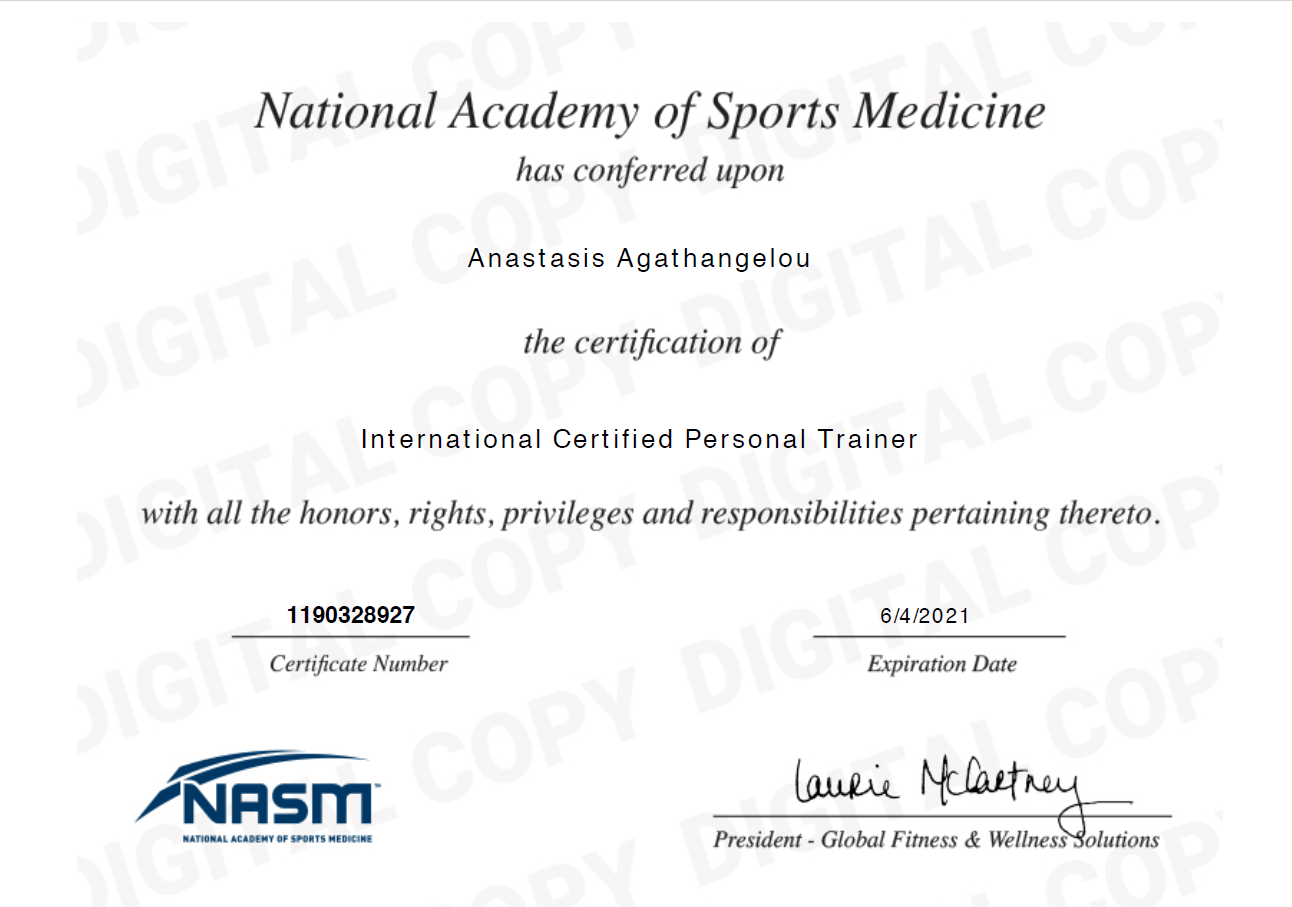
As a NASM-Certified Personal Trainer (CPT) and long-distance running coach, I’ve spent years combining the principles of sports science with practical, real-world coaching. My focus is to help runners use strength and conditioning concurrently with their running plans — without sacrificing running performance or increasing fatigue.
Whether you’re training for your first 10K, chasing a marathon PB, or simply trying to stay injury-free, I can guide you through integrated training plans that complement your running phases — base, build, peak, or taper — ensuring you stay strong, fresh, and ready to perform when it matters most.
The OPT™ Model Simplified for Runners
The NASM OPT™ model is one of the best frameworks to build balanced, injury-resistant athletes. It progresses through three main levels:
- Stabilization – foundation work that improves control and endurance.
- Strength – building solid force production and muscle coordination.
- Power – turning that strength into speed and efficiency.
Each phase builds on the previous one. Let’s explore how runners can use it effectively.
Phase 1: Stabilization – Building the Foundation
efore we chase heavy weights or fancy gym moves, we first need stability.
Goal:
Improve balance, joint control, and postural endurance.
Why It Matters for Runners:
Running is essentially a series of one-leg balances. Weak stabilizers in the hips and core cause your knees to cave, hips to drop, and energy to leak away. Strong stabilizers mean smoother, more efficient strides and fewer overuse injuries.
Coach T’s Foundation Routine
- Single-Leg Balance Reach – 3 × 10 each side
- Plank with Alternating Leg Lift – 3 × 30–45 sec
- Glute Bridge March – 3 × 12
- Lateral Band Walks – 3 × 15 steps each way
- Bodyweight Squat + Calf Raise – 3 × 12
These drills train your nervous system to control movement, setting you up for heavier, faster work later.
Phase 2: Strength Endurance – The Runner’s Engine Room
Now that your base is stable, it’s time to build durable muscles that can hold form through fatigue.
Goal:
Develop muscular endurance and the ability to sustain force over time.
Why It Matters for Runners:
This phase trains your body to resist fatigue and maintain efficient mechanics late in a race. It’s about creating strength that lasts.
Workout Example (Circuit Format)
| Exercise | Sets | Reps | Notes |
|---|---|---|---|
| Goblet Squat | 3 | 12–15 | Moderate load, full control |
| Step-Up to Balance | 3 | 10 each leg | Pause on top 2 sec |
| Romanian Deadlift | 3 | 12 | Focus on hamstring tension |
| Push-Up | 3 | 12–15 | Maintain core line |
| Plank Row (Renegade Row) | 3 | 10 each arm | Anti-rotation control |
Phase 3: Maximal Strength – Building the Engine
When your technique and endurance are solid, it’s time to build maximum strength.
Goal:
Increase force output and tendon strength.
Why It Matters for Runners:
More strength equals better running economy. If you can generate more force per stride, you can run the same pace with less effort — and that means faster racing and fewer injuries.
Key Lifts for Runners
- Deadlift – reinforces hip power and posterior chain.
- Front Squat – improves posture and knee alignment.
- Weighted Step-Ups – builds single-leg drive.
- Pull-Ups or Lat Pulldown – supports posture and arm swing.
Train twice weekly, 4–6 reps per set, resting 90 seconds. Form and control are more important than chasing numbers.
Phase 4: Power – Turning Strength Into Speed
Now that you’re strong, it’s time to make that strength useful for running performance.
Goal:
Improve rate of force production — how quickly you can apply your strength.
Power Drills
- Jump Squats – 3 × 8
- Lunge to Hop – 3 × 8 each leg
- Medicine Ball Slam – 3 × 10
- Bounding Drills – 3 × 20 m
These moves train your body to apply force explosively, just like you do with every step in a run. Improved power means improved stride efficiency and speed.
Balance and Core – The Glue That Holds It Together
Balance and core training don’t just look good on paper — they’re essential for fluid, injury-free running.
Benefits of Balance Work
- Strengthens stabilizers that control movement.
- Enhances proprioception, your body’s sense of position.
- Builds resistance to ankle sprains and knee collapses.
Core Moves That Matter
- Single-Leg RDL (bodyweight)
- Standing Cable Rotations
- BOSU Ball Squats
- Pallof Press
Balance connects strength and coordination — it’s the missing link between the gym and the road.
Correcting Common Runner Imbalances
Many runners share similar dysfunctions: tight hip flexors, weak glutes, overactive calves. These imbalances waste energy and raise injury risk.
Coach T’s Correction Formula
- Foam Roll calves, quads, and hip flexors – 60 sec each.
- Static Stretch those same areas – 30 sec holds.
- Activate glutes and core with glute bridges and bird dogs.
- Strengthen with squats, lunges, and single-leg drills.
This restores proper length-tension relationships, aligning joints and improving running mechanics naturally.
How My Online Coaching Works
This isn’t a one-size PDF. I deliver a living plan that adapts weekly based on effort, data, and feel, with structured communication so pacing, volume, and recovery are always clear.
The goal is athlete confidence: understanding the “why” behind the “what” so execution improves month after month.
Get Started TodayIntegrating Strength Into Your Running Week
Time is every runner’s challenge. But two structured strength sessions per week can transform your performance without wrecking your mileage.
Sample Weekly Plan
| Day | Focus |
|---|---|
| Monday | Easy Run + Core |
| Tuesday | Strength Session (Lower Body) |
| Wednesday | Recovery / Mobility |
| Thursday | Tempo Run / Intervals |
| Friday | Strength Session (Full Body + Balance) |
| Saturday | Long Run |
| Sunday | Rest or Yoga |
How to Progress Safely
Progress gradually. Your goal is sustainable improvement, not exhaustion. Start with bodyweight and master technique before adding load.
“Form first, control second, weight last.”
If your form breaks, reduce the load or regression the movement. Every rep teaches your body better movement — only good reps count.
Flexibility and Recovery – Strength’s Essential Partner
Muscles are only useful if they can move freely. Flexibility and recovery keep your system balanced and performing at its best.
After Every Strength Session
- Foam Roll tight areas for 60 seconds each.
- Static Stretch hip flexors, hamstrings, calves.
- Deep Breathing to reset your nervous system.
These recovery tools improve neuromuscular efficiency and ensure your training sessions add up instead of break you down.
Strength Training for Different Runner Types
Beginners
Focus on stability and movement quality. Two sessions per week of bodyweight and resistance-band work is plenty.
Intermediate Runners
Add moderate loads and endurance-based strength circuits. Mix single-leg drills with core work for running-specific transfer.
Advanced Runners
Cycle through all three OPT levels. Include plyometrics, maximal strength blocks, and dynamic core routines aligned with your running phases.
Masters Runners (40 +)
Prioritize mobility, balance, and bone-density-boosting resistance work. Strength training combats age-related decline better than any supplement.
Common Strength-Training Mistakes Runners Make
- Skipping lower-body strength — Running alone isn’t enough stimulus.
- Ignoring recovery — Strength gains happen during rest.
- Overtraining — Too much lifting plus hard running equals burnout.
- Neglecting balance and core — They stabilize every stride.
- No plan — Random workouts don’t yield consistent progress.
Stay structured and train with purpose. Each session should connect directly to your running goals.
How Coach T Integrates Strength with Running Plans
As a NASM-CPT coach, I specialize in programming concurrent training — combining strength and running in a way that supports, not sabotages, performance. The key is periodization: adjusting intensity and volume based on where you are in your running cycle.
- During base building: we focus on stability and strength endurance.
- During peak phases: we scale back gym load but maintain activation and power.
- During taper: we reduce strength frequency while keeping muscle tone and neuromuscular sharpness.
This balance ensures your strength sessions enhance, rather than compete with, your running. You stay powerful, efficient, and fresh for race day.
Coach T’s Final Words: Strength Is the Secret Sauce
If you remember just one thing from this article, make it this:
Strength training doesn’t take away from running — it multiplies your potential.

Pain-Free, Injury-Free Running for 40s, 50s & Beyond
Ready to run smarter, faster, and stronger as you age? Whether you’re chasing a sub-3 marathon or simply want to enjoy running without pain, I’ll help you get there.
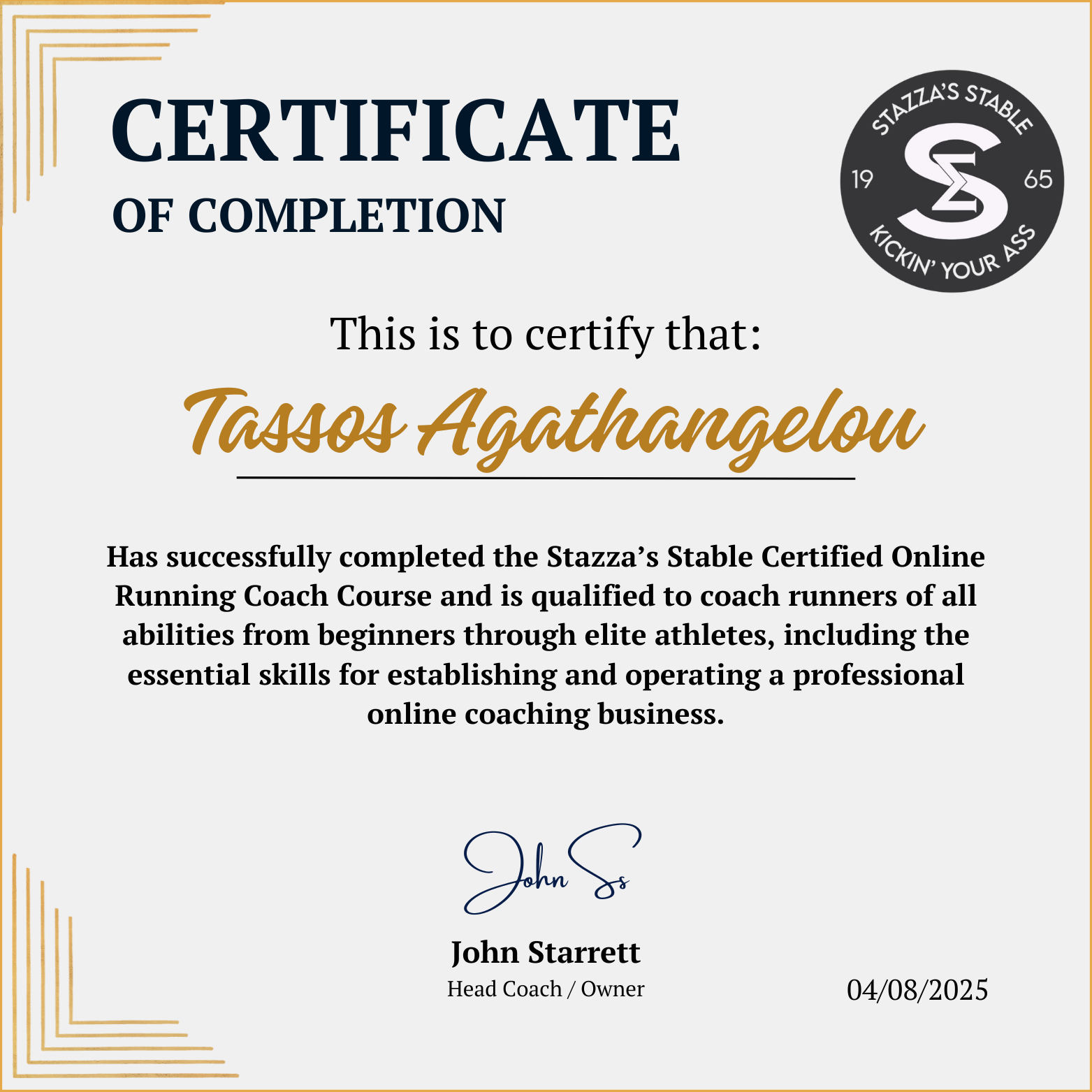
As an NASM Certified Personal Trainer and Stazza Certified Running Coach, I’ve guided runners worldwide to breakthrough results—building endurance, preventing injuries, and keeping running enjoyable at every stage of life.
Get Started TodayEvery squat, lunge, and plank builds the resilience, posture, and power that make running feel smoother and easier. You’ll climb hills stronger, finish long runs fresher, and handle higher mileage without breaking down.
Start simple. Two quality strength sessions a week. Master your movement. Be consistent.
Your body will thank you — and your next race results will prove it.
Train smart, run strong.
– Coach T, NASM-CPT
**Please note that the information shared in this article reflects my personal knowledge and experiences. It is not intended as professional advice and should not be relied upon as such. Always consult with a qualified expert or professional before making any decisions based on the content provided