


The Last Phase Defines the Race
The marathon rewards smart preparation. In the first months of training, you build aerobic strength and establish consistency. But in the final 12 weeks, it’s time to transform that foundation into race-specific endurance — the ability to sustain pace over 42.2 km (26.2 mi) while conserving energy and maintaining efficient mechanics.
This is the most important stage of your preparation. When executed well, it shapes the performance you bring to the start line. When done poorly, it leaves runners fading late in the race, wondering what happened to their fitness.
Let’s ensure you arrive ready — physically prepared and mentally confident.
🚀 Stop Guessing. Start Progressing.
Most runners don’t fail because they lack motivation—they fail because they lack a roadmap.
Coaching removes the guesswork, giving you the exact workload at the right time to keep you injury-free and improving week after week.
Exclusive Offer: Get Your First Month FREE
Ready to go from beginner to marathoner with a proven plan? Let’s talk.
Book Your Free Call Meet Coach T →Why Race-Specific Endurance Wins Marathons
Marathon success is not determined by speed alone. It’s determined by:
- How efficiently you run at marathon pace
- How well you fuel and preserve glycogen
- How your form holds up under fatigue
- How controlled and confident you remain throughout
Elite results come from specificity. The training stimulus must match the event. That means longer blocks at goal pace, improved aerobic durability, and rehearsing the exact physical and metabolic demands of race day.
In this phase, we transition from general conditioning to performance conditioning.
The Structure of a Race-Specific Training Week
Every week has a purpose-driven balance:
- One long run including marathon-pace segments
- One shorter quality session developing aerobic power
- Two to four easy aerobic runs maintaining volume without fatigue buildup
- Fueling and hydration practice integrated into every long effort
This structure creates enough stimulus to grow — and enough recovery to adapt.
On easy days, pace discipline is essential. Keep effort conversational, generally around 5:00–5:40 per km (8:00–9:00 per mile) for many recreational athletes. You should finish feeling better than when you started. That is where durability is built.


Specific Marathon Training: Turn Science into Results
If you’ve ever felt stuck — training hard yet plateauing — you’re not alone. Most runners fall into the same trap: they confuse effort with effectiveness.
The good news? Once you understand and apply specific marathon training, everything changes.
- Recover faster
- Race stronger
- Enjoy training more
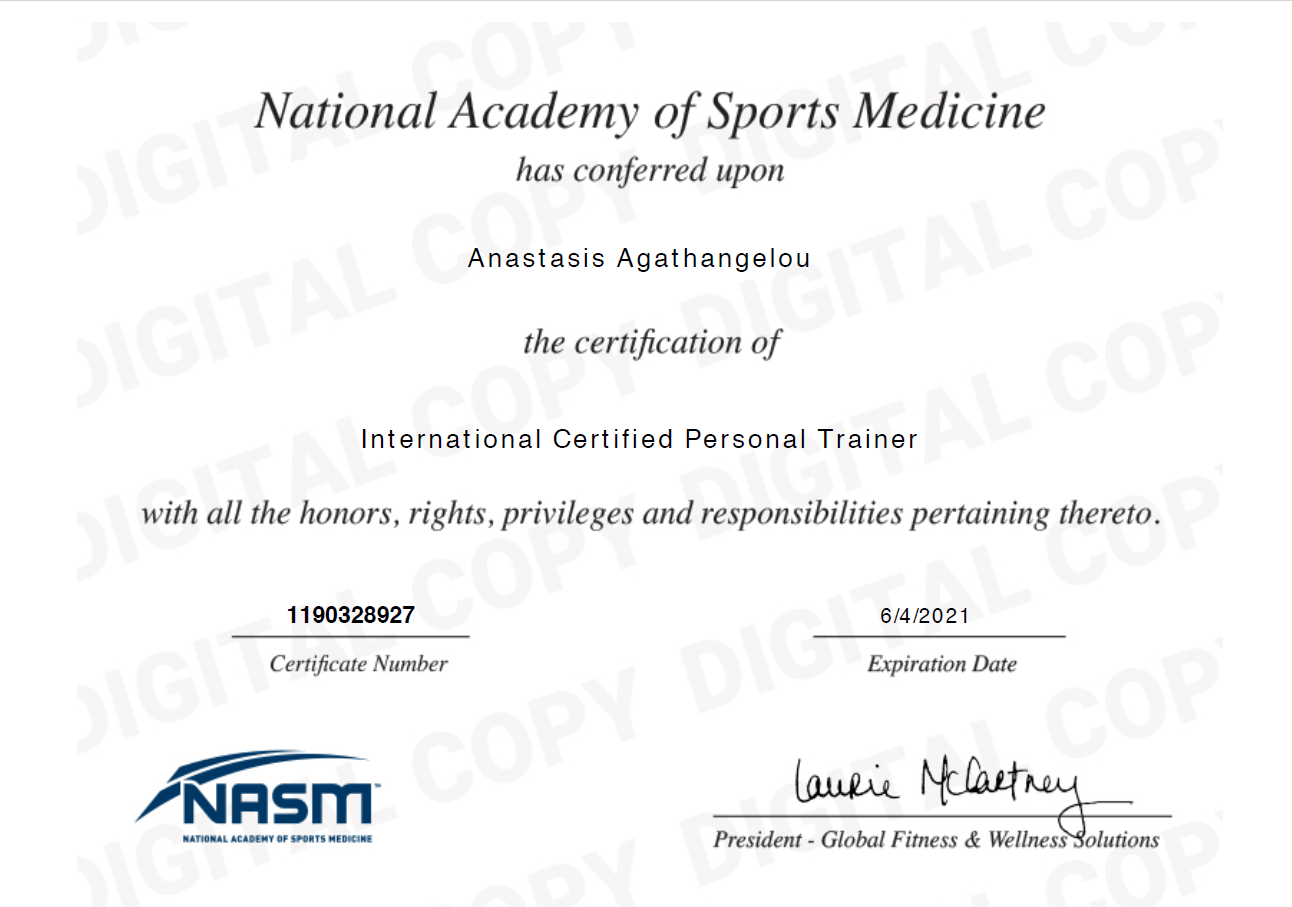
As Coach T, I’ll help you identify the right stimulus, apply it with purpose, and balance it with recovery — just like Canova’s champions and Stazza’s stable of sub-3 marathoners.
Together, we’ll turn science into results — and results into confidence.
Get Started TodayThe Long Run: Where Marathon Ready is Made
The long run becomes race preparation. We shift from simply covering distance to embedding marathon pace into extended efforts. For example:
- 26–30 km (16–18.5 mi) including sustained blocks at marathon pace
- 32 km (20 mi) with a strong final 10–14 km (6–9 mi) close to marathon pace
- Progressive long runs moving from aerobic effort to marathon effort
These workouts train:
- Pace management under fatigue
- Improved fuel utilization
- Stronger neuromuscular endurance
- Mental confidence to finish fast
When repeatedly executed, marathon pace becomes familiar and sustainable — just as it must be on race day.
Fueling: Your Marathon Performance Insurance
Fitness cannot be accessed without energy. That’s why fueling is a performance discipline, not a race-day afterthought.
In the final 12 weeks, every long run trains the gut as much as the legs. Practice:
- Fuel early and consistently
- Progress to 60–90g carbohydrates per hour
- Include electrolytes to support absorption
- Finalize race-day nutrition timing and products
Strong fueling prevents the dreaded late-race crash.
Strong fueling gives your training the chance to shine.
For a complete breakdown of marathon fueling best practices, visit:
👉 https://runningfitness365.com/2025/10/20/marathon-fueling-guide/


Midweek Quality: The Strength Behind the Pace
Supporting sessions during the week develop the aerobic power needed to make marathon pace more efficient. These efforts typically target:
- 10K–half marathon intensities
- Controlled lactate production and clearance
- Improved ability to handle prolonged steady pressure
These sessions should leave you stimulated — not destroyed. Quality matters more than speed.
Your marathon pace becomes smoother and easier because your aerobic system learns to support it.
Quality Over Quantity: Stop Chasing Junk Miles
Many runners believe more kilometers automatically equal better results. Unfortunately, excessive volume without purpose increases fatigue, injury risk, and overtraining — with little added benefit.
The marathon is not a mileage contest. It is a performance event.
The better approach?
✅ Maximum adaptation — minimum necessary load
✅ Smart stress — strategic execution
✅ Purpose-driven kilometers — not ego-driven ones
My full article on this philosophy explains it further:
👉 https://runningfitness365.com/2025/10/14/the-secret-to-marathon-improvement-specific-marathon-training/
Performance comes from quality, not chaos.
Mechanics: Holding Form When It Matters Most
Fatigue can turn efficient running into an energy-draining shuffle. To prevent this, we reinforce strong mechanics during this training block.
The most effective tool for this?
Hill blasts.
These short, powerful uphill efforts:
- Strengthen hip extension
- Improve posture and stride alignment
- Activate glutes over hip flexors
- Develop neuromuscular power and elasticity
As fatigue rises in the marathon, these mechanics hold your pace together.
Learn proper technique and benefits here:
👉 https://runningfitness365.com/2025/06/04/hill-sprints-for-runners-technique-benefits/
Run strong. Finish strong.
Tapering: When Fitness Becomes Performance
The taper — typically the final 2–3 weeks — protects your training investment. Volume is reduced while marathon-pace touchpoints are maintained.
During this time:
- Fitness peaks
- Fatigue fades
- Energy stores rise
- Confidence builds
Many feel “too fresh” and want to add more. The smartest runners trust the plan. Rest brings the performance to life.

Mistakes to Avoid in These 12 Weeks
Even well-trained athletes lose performance by:
- Running easy days too fast
- Adding unnecessary mileage to “feel prepared”
- Racing or doing extreme hard workouts close to race day
- Changing fueling plans last minute
- Ignoring sleep and recovery
Excellence requires discipline — especially when excitement rises.

Who Benefits From This Training?
Every runner determined to improve will thrive in this phase — whether aiming to:
- Finish their first marathon
- Break 5:00, 4:00, 3:30, or 3:00
- Qualify for Boston or another major
- Achieve a personal record
You do not need elite genetics.
You need purposeful progression.
Ready to Unlock Your Best Marathon?
This race-specific phase determines the marathon you will run. If you want expert guidance, accountability, and a plan tailored precisely to your goals, I’m here to help.
I create custom marathon coaching programs based on:
✅ Your current fitness & history
✅ Your race goals
✅ Your fueling and pacing needs
✅ Your mechanics and strength profile
Discover more or request coaching here:
👉 https://runningfitness365.com/our-running-coach/
Training smart is how you reach your potential.
Let’s make this your breakthrough marathon.
The Marathon Is Earned Before the Start Line
Your race is shaped in the training you’re doing now. These final 12 weeks are where fitness becomes performance — where you learn to pace, fuel, and fight for the finish.
Arrive ready.
Arrive confident.
Arrive prepared to perform.
I’ll see you on the start line.
— Coach T
**Please note that the information shared in this article reflects my personal knowledge and experiences. It is not intended as professional advice and should not be relied upon as such. Always consult with a qualified expert or professional before making any decisions based on the content provided.