


In early September 2019, just as I was wrapping up my Berlin Marathon training, I pulled my right calf right after my last long run. It was a tough setback, but after some serious and intense physiotherapy, I bounced back stronger than ever. In the end, I not only ran the Berlin Marathon but also smashed my personal best!.


Coach Tazi
Online Running Coach
👟 Sural nerve injury keeping you from running?
Waiting it out isn’t a plan. You need to know exactly when to rest, when to move and how to come back without breaking down again. That’s what I help runners do.
Early October 2019, just one week after the Berlin Marathon, I went out for my first run. Almost immediately, something felt off below my right ankle. The side of my heel went numb, and every time I pressed or moved around my Achilles tendon, calf, and just below my ankle, an electric tingling shot through the area, all the way down to the side of my foot. It was like my leg was sending me some serious warning signals!
What Are the Symptoms of a Sural Nerve Injury?
The tingling from what felt like a Sural Nerve injury kept getting worse, turning into an annoying, constant irritation. No matter which shoes I tried on, they all seemed to make things worse. I had to keep swapping pairs until I finally found the ones that caused the least discomfort—my go-to shoes that kept the irritation at bay during work and throughout my daily routine. Finding that perfect pair felt like a small victory in the middle of the frustration!

Getting Diagnosed: My Physio and Orthopedic Visits
Physio for Runners
My first stop was the physio, who gave my leg a thorough massage but didn’t find any issues with joints, tendons, or muscles. He suspected it might be a case of sural nerve entrapment—basically, the nerve getting trapped in the fascia after my calf injury. So, he recommended I see an orthopedic doctor to get a closer look. It felt like my body was playing a tricky game of hide-and-seek with this nerve!
Eventually, I saw an orthopedic doctor who confirmed it: sural nerve entrapment. He explained that if it didn’t improve on its own, the usual fix was a small surgery. Knowing that this injury came from overusing my running muscles during training, I decided to try every possible physical therapy and treatment option first—anything to avoid going under the knife. After all, I wanted to exhaust all my non-surgical tricks before even thinking about surgery!
👟 Recovering from a sural nerve injury?
Getting back to running after a nerve injury is not just about rest — it’s about knowing when to push and when to hold back. I help injured runners build a safe, structured return-to-run plan so they don’t lose months of fitness or re-injure themselves.
Book a free call with me. No payment, no obligation — just a honest conversation about where you are and what your comeback looks like.
I threw all my energy and effort into beating that nerve issue without surgery. The lucky part? I didn’t feel any pain while running—just a mild irritation during warm-ups that disappeared once I got going. So, I kept up with my easy runs and even some easy long runs to maintain my aerobic endurance.
But during the day, normal activities made the sural nerve irritation worse. The uncomfortable buzzing feeling was a real pain and often ruined my mood. Luckily, it eased up at night after a warm shower and some good massages around my calf and ankle.
My Non-Surgical Treatment Plan
Here’s what I did to fight off those pesky sural nerve symptoms:
Action 1: I committed to one physio visit per week, where my therapist worked hard on the affected area. He pressed really deep on the exact spot where he suspected the sural nerve was trapped—right under my ankle! Fair warning: those pressure points were seriously painful, so brace yourself for some intense physio “love” during the treatment!
Action 2: My physio recommended I see a chiropractor once a week to help loosen up the ligaments around my heel and ankle—making it easier for the physio to do his thing. My chiropractor worked some serious magic with gentle stretches and movements, focusing on the trouble spots. He even used this cool gadget called the Ergo Myofascial Releaser Tool (you can check it out on Amazon!) to work deep into the tissue. Plus, he taught me some nerve flossing exercises to keep everything moving smoothly. It felt like my foot was getting its own little spa treatment!
Action 3: My physio told me to start stretching the area right up to the point where I could just barely handle the pain, then add in some strengthening exercises around it, and finish off with foam rolling to really work those muscles. So, I put together a 15-20 minute routine that I do twice a day—once before work and once before my evening shower. It became my little daily ritual to keep that nerve in check and get back on track!
My Daily Recovery Routine, Step by Step
STEP 1
I always kicked off my routine by foam rolling my right calf until that electric buzzing sensation started to fade. Whenever I hit a tight knot in the fascia, I’d hold the pressure for about 30 seconds before releasing—repeating this until my calf felt totally relaxed. Basically, I was prepping the area to be more open and ready for the stretches and strengthening exercises that followed. This warm-up usually took me about 5 to 10 minutes, but it made all the difference!
STEP 2
Three exercises that my chiropractor showed me to floss the nerve. Those are similar to those shown on videos below
STEP 3
Strengthening exercises: Elastic band to strength and stretch the calf while lying on my mat.
Step 4
Stretching the affected area:
- Stretching the calf on the stairs
- Stretching the heel and ankle area
One choices of Bands below you can use:
Step 5
Massage time! I used Organic Moringa Oil to work on my calf, gently pressing the heel and the area just below my ankle, hunting down any pesky little knots. Turns out, there were plenty of tiny knots lurking under the ankle! I’d press and hold each one until they started to loosen up. My physio went way deeper with the pressure—definitely painful at times—but, honestly, it turned out to be super effective in the end!
Step 6
Followed my doctor’s instructions and I purchased Vitamin B12 – I was taking these B12 vitamins for 2 months.
Step 7
Warm shower around the area was always making me feel better.
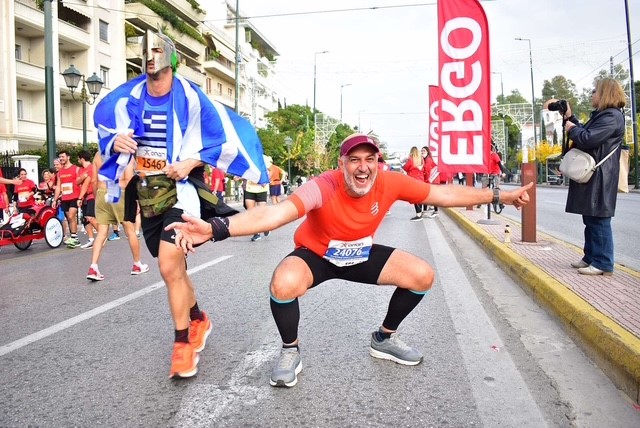
“From plateau to breakthrough — exactly what I needed.”
Coach T isn’t just a running coach.
He invests time. Real time.
Checks in. Adjusts. Cares.
One year ago, I was completely stuck — no progress, just plateau.
Through smart, structured training and constant guidance,
everything changed.
Step by step, I became stronger, more consistent, and confident —
leading to a new Marathon PB at Paris Marathon 2026.
Healthy. Strong. Injury-free.
— Demetris
Here’s another trick I used: whenever I was sitting at my desk or relaxing on the sofa, I’d do ankle stretches to soothe my sural nerve—kind of like the Peroneal Nerve Glide exercises (there’s a great video for it). I’d do this every hour or whenever the irritation started to flare up.
How to Floss the Sural Nerve (Step-by-Step)
“Flossing” the sural nerve means gently gliding it through its full range of motion so it can move freely again instead of staying irritated and stuck against the surrounding tissue. This is the exact sequence my chiropractor walked me through (the same exercises shown in the videos above):
- Sit with your leg extended and point your toes down and in (plantarflex + invert the ankle) until you feel a gentle stretch behind the outer ankle – hold for 1-2 seconds only, this is a glide, not a static stretch.
- Slowly bring your toes up and out (dorsiflex + evert) to release the tension, then repeat.
- Do 2-3 sets of 10-15 slow reps, once or twice a day – never push into sharp pain, the movement should feel like a mild pulling sensation only.
- Stop and ease off if you feel tingling, numbness, or sharp nerve pain travelling down into the foot.
I did this daily during Step 2 of my routine above, and it was one of the changes that made the biggest difference in calming the irritation down.
Sural Nerve Glide Exercises
Nerve glides (sometimes called nerve flossing or nerve mobilization) are different from a regular stretch – instead of holding a static position, you’re moving the nerve back and forth through nearby joints to restore normal sliding and reduce sensitivity. Alongside the ankle flossing above, I also used a simple seated glide throughout the day:
- Sit with the affected leg straight out in front of you
- Gently flex and point your ankle while keeping the knee straight, similar to the Peroneal Nerve Glide exercises mentioned in the routine above
- Repeat for 10-15 slow reps, every hour or whenever the irritation started to flare up
Consistency mattered more than intensity here – short, frequent sessions throughout the day worked better for me than one long session.
How Long It Took Me to Recover
After about two months of sticking to this routine—so around January 2020—I was 90% healed. And today, as I write this, there’s no irritation at all. Sometimes the nagging feeling sneaks back if I wear really tight shoes that press right under my ankle. The key is patience and consistent care. Hopefully, you’ll be as lucky as I was and gradually free that sural nerve from its trap, one step at a time!

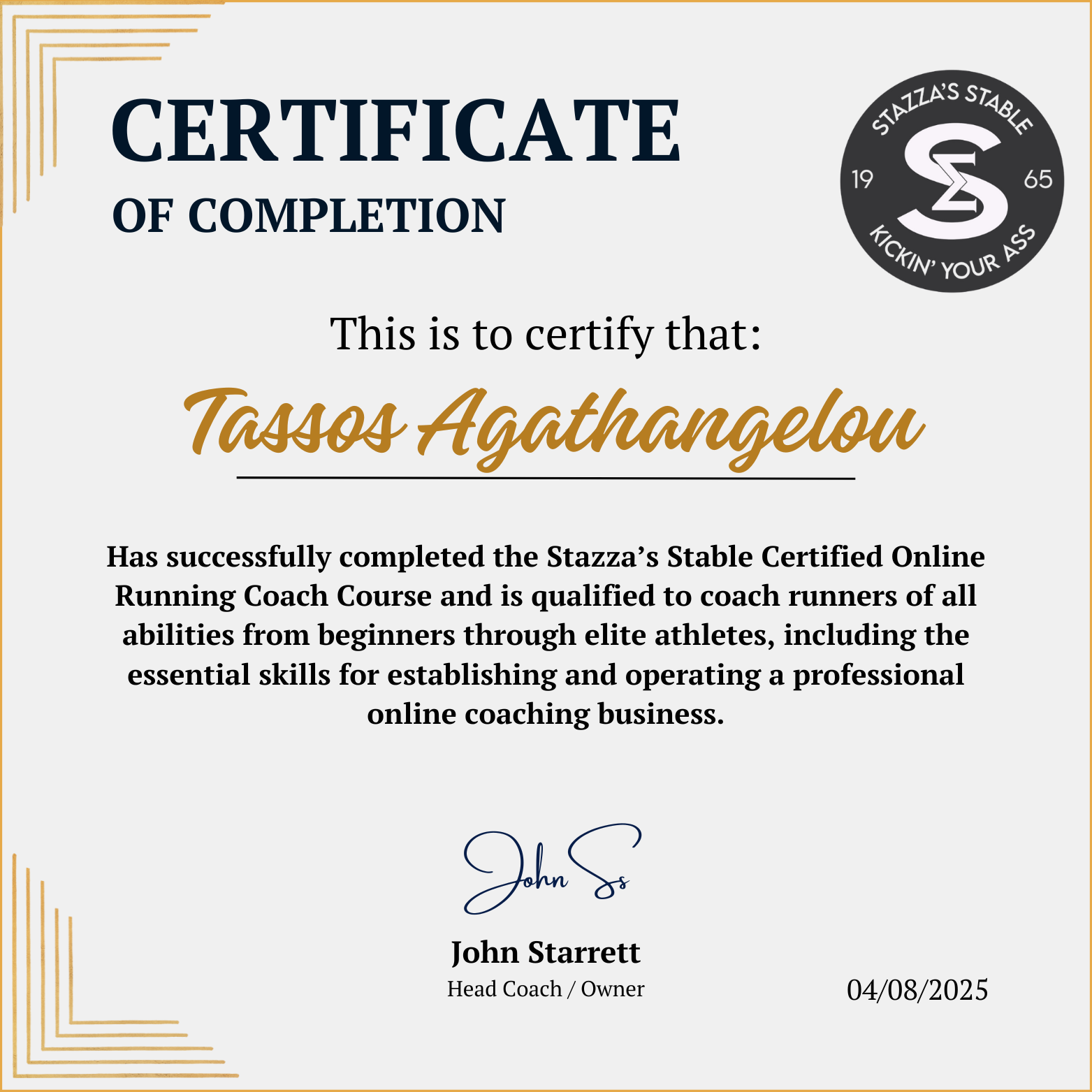
Pain-Free, Injury-Free Running for 40s, 50s & Beyond
Ready to run smarter, faster, and stronger as you age? Whether you’re chasing a sub-3 marathon or simply want to enjoy running without pain, I’ll help you get there.
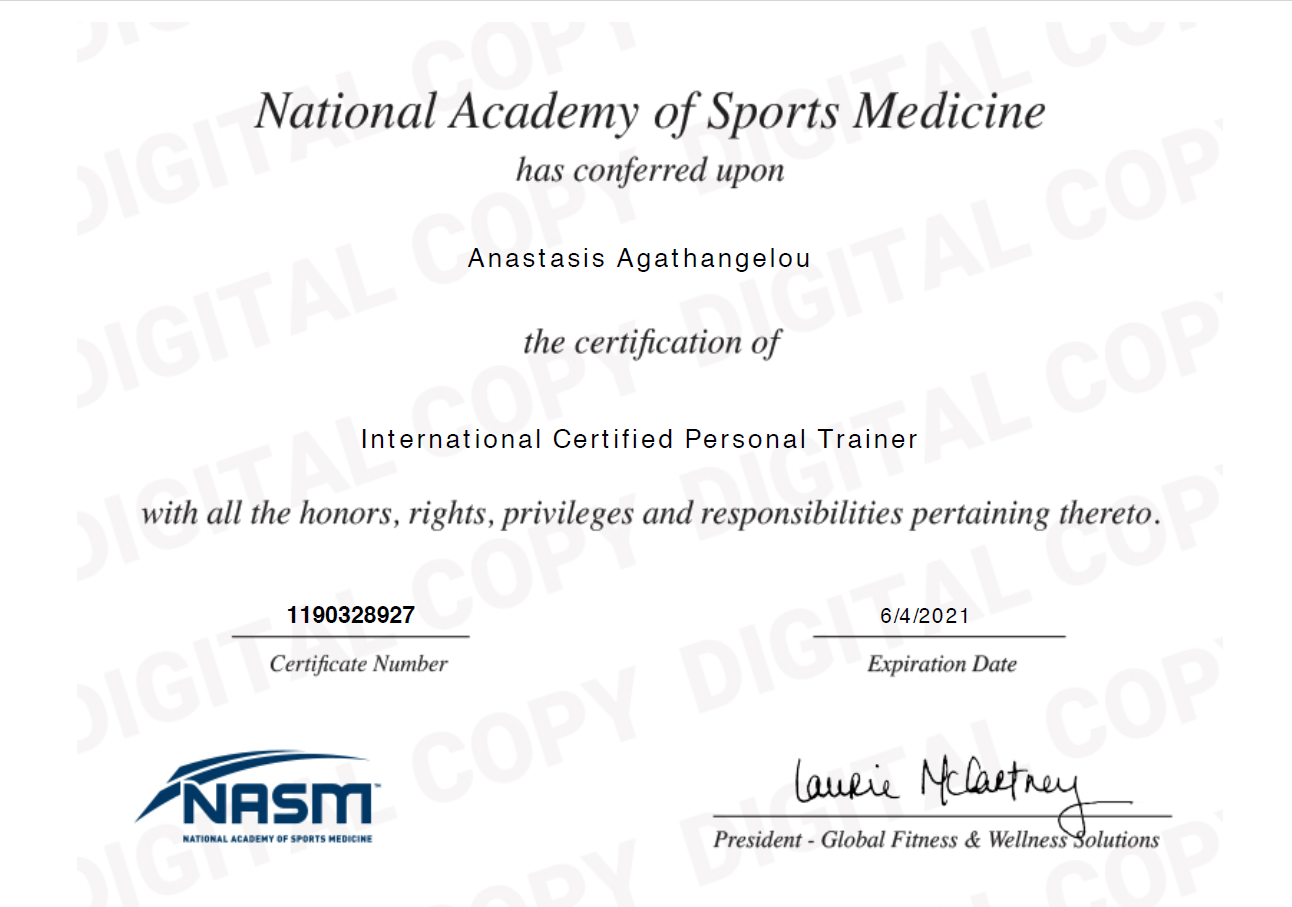
As an NASM Certified Personal Trainer trained in an advanced, results-driven coaching methodology, I’ve guided runners worldwide to breakthrough results—building endurance, preventing injuries, and keeping running enjoyable at every stage of life.
Get Started Today**Above I am clearly describe my personal experiences and definitely is not a professional advice and you must always seek advice from your personal doctor and medical professionals as i did myself.
Frequently Asked Questions
What does sural nerve irritation feel like when running?
Most runners describe a burning, tingling, or electric-shock sensation along the outer edge of the ankle and foot, sometimes shooting up the back-outer calf. It’s often worse during or right after a run, not a dull ache like a typical strain.
What usually causes sural nerve problems in runners?
The most common culprits are repetitive ankle rolling or instability, tight or poorly-fitted shoes compressing the outer ankle, scar tissue from an old sprain, or a sudden jump in mileage on uneven terrain.
How is a sural nerve injury different from a regular ankle sprain?
A sprain is ligament damage that usually improves steadily with rest and swelling control. Nerve irritation causes burning, tingling, or numbness that can linger or come and go even after the initial injury seems to have healed — that nerve-specific sensation is the key difference.
How long does it take to recover from sural nerve irritation?
Mild cases can settle in a few weeks with activity modification and the right footwear; more persistent nerve irritation can take a few months. If symptoms aren’t easing after 4-6 weeks, that’s the point to see a sports medicine doctor rather than waiting it out.
Can I keep running with sural nerve symptoms?
Only if you can keep the pain at a mild, non-worsening level — sharp, shooting pain is your signal to stop and scale back. Switching to flat, even surfaces and roomier shoes while it settles is usually smarter than running through it.
What is sural nerve entrapment?
Entrapment means the nerve is being compressed or trapped by surrounding tissue – scar tissue, swelling, tight fascia, or a poorly-fitted shoe pressing on the outer ankle – rather than just irritated from overuse. It tends to produce more constant tingling or numbness than overuse-related irritation, and persistent entrapment that doesn’t respond to flossing, stretching, and footwear changes is worth having assessed by a sports medicine doctor or physio.
How is sural nerve pain treated?
Most cases respond well to a non-surgical approach: nerve flossing and glide exercises, calf and ankle stretching, massage to release tight fascia around the ankle, footwear changes to remove pressure on the outer ankle, and a temporary drop in mileage or intensity. I also used Vitamin B12 on my doctor’s advice. Surgery is rarely needed and is only considered for confirmed entrapment that doesn’t respond to months of conservative treatment.
Does massage help a sural nerve injury?
Yes – gentle massage around the calf, heel, and the area just below the ankle can help release the small knots that often sit alongside sural nerve irritation. I used organic Moringa oil and worked slowly, holding pressure on each tight spot until it started to loosen rather than digging in hard. It should feel like firm pressure, not sharp pain – ease off if it starts to reproduce your nerve symptoms.
**Please note that the information shared in this article reflects my personal knowledge and experiences. It is not intended as professional advice and should not be relied upon as such. Always consult with a qualified expert or professional before making any decisions based on the content provided.
Related Reading
- IT Band Syndrome in Runners: Prevention & Treatment
- Shin Splints in Runners: Causes, Treatment & Prevention
- Achilles Tendinopathy in Runners: Causes & Treatment
Free 12-week running plans for when you are back to running
When your symptoms allow you to run again, a simple plan helps you build back gradually instead of doing too much too soon. Enter your email and Coach Tazi will send you his free 12-week Couch to 10K and Half Marathon plans straight to your inbox.
Keep reading
- Strength Training for Runners: Coach T’s Complete Guide
- Core Strength for Runners: Boost Performance
- Running and Strength Training: A Smarter Approach