


The Illusion of Recovery
When I lined up for the Barcelona marathon, I thought I was ready. Breathing felt smooth, my rhythm felt natural, and my mind told me I had done enough to handle the distance. On paper, it looked convincing. I got COVID on the 26th of February, which was less than two weeks before race day. That meant I missed only one key session—the final long run—and nothing else from my preparation. In fact, I had completed around 99% of my training block.
I started running again on the 3rd of March, so I had roughly ten days of light running before the marathon. During that period, I kept everything controlled. No hard efforts, just enough to get the legs moving again and rebuild some confidence. When you look at it logically, missing one session doesn’t seem like a big deal. Ten days feels like enough time to recover. You’ve done almost all the work, so mentally you convince yourself that everything is still on track.
I did the same. I tested my legs, kept the runs steady, and felt good enough to believe I could handle marathon pace. But the truth is, the marathon doesn’t care about percentages or timelines on paper. It only reflects what your body has truly absorbed. That day, I realized that even a short illness window—just 10 days out from race day—can disrupt the final adaptation phase in ways you simply cannot detect during easy runs.
If you’ve ever been in a similar situation, returning to running after illness without knowing if your body is truly ready, this is exactly where structured guidance makes a difference. You can learn more about how I approach this with athletes here:
🏃♂️ Learn more hereEarly Race Feelings: When Confidence Feels Real
When the race started, everything felt exactly how you would want it to feel after a full training block. Despite getting COVID on February 26th and only having ten days of light running before the race, my body didn’t immediately show any limitations. The early part of the marathon felt controlled, smooth, and very close to what I expected based on my training.

That’s the dangerous part. When you come back from illness and manage to run even a few steady sessions, your brain quickly connects that feeling to readiness. You think, “I’ve done the work, I’ve tested my legs, I feel fine.” In my case, having completed almost the entire training block reinforced that belief even more.
However, what you feel early in a marathon is only the surface layer of your fitness. The deeper layers—muscle durability, neuromuscular efficiency, and fatigue resistance—are not tested yet. Those only appear later, and especially after illness, they are the first to be compromised.

The First Warning Signs: Subtle but Critical
As the race progressed, small changes began to appear. Nothing dramatic. No sudden breakdown. Just a slight heaviness in the legs and a feeling that my stride wasn’t as efficient as it should be.
This was not new. During those ten days after March 3rd, I had already felt similar signs. I experienced small muscle spasms, especially in the hamstrings and adductors. At the time, they didn’t seem serious. They were easy to dismiss because breathing felt fine and overall effort was low.
This is the kind of situation where having a coach changes everything. Not just for performance, but for making the right decisions at the right time. If you want support like this, you can check how I work with runners 👉 here
But those were early warnings. They were signs that the muscular system had not fully recovered. Even though I could run, even though I felt comfortable aerobically, my muscles were not ready for sustained stress. And that’s the key lesson: short, easy runs cannot reveal what will happen over marathon distance.
The Marathon Asks the Real Question
At some point, the race changed. The legs stopped responding the way they should. The effort required to maintain rhythm increased, and it was no longer about pacing—it was about managing fatigue.
What stood out most was that my breathing was still under control. There was no respiratory struggle. No feeling of being out of breath. My cardiovascular system was doing its job.
But my muscles were not.
This is what many runners misunderstand about running after illness. The limitation is often not your lungs—it’s your muscles. Your body can deliver oxygen efficiently, but your muscles cannot use it effectively. When that happens, performance drops, and no amount of mental strength or fueling can fully compensate.
🚀 Stop Guessing. Start Progressing.
Most runners don’t fail because they lack motivation—they fail because they lack a roadmap.
Coaching removes the guesswork, giving you the exact workload at the right time to keep you injury-free and improving week after week.
Exclusive Offer: Get Your First Month FREE
Ready to go from beginner to marathoner with a proven plan? Let’s talk.
Book Your Free Call Meet Coach T →Why 10 Days Was Not Enough
Looking at the timeline makes everything clearer. COVID on February 26th. Back to running on March 3rd. Race about ten days later. On paper, it looks manageable.
But those ten days were not true training days. They were recovery and reactivation days. My body was not adapting—it was stabilizing. There was no time for proper training cycles to occur again.
The final phase of marathon preparation is where your body absorbs the work. It’s where fitness becomes performance. Because illness interrupted that phase, my body never fully converted training into race readiness.
That’s why even with 99% of the training completed, the outcome was affected.
This is why many runners struggle to judge readiness after illness. It’s not just about feeling okay—it’s about understanding what your body has actually absorbed. I break this down in more detail in my full approach to marathon preparation and recovery here:
🏃♂️ View the complete Marathon Fueling Guide hereWhy Breathing Feels Fine but Your Legs Fail
This is one of the most important lessons for runners. After illness, your cardiovascular system recovers faster than your muscular system. That’s why breathing can feel normal while your legs struggle.
Your heart and lungs deliver oxygen. Your muscles use it. When the muscles are not fully recovered, they cannot process that oxygen efficiently. The result is early fatigue, reduced coordination, and a gradual loss of efficiency.
That’s exactly how it felt. I wasn’t limited by breathing. I was limited by what my muscles could sustain.
The Hidden Impact of Illness
Illness affects more than energy levels. It disrupts muscle function, nervous system coordination, and the body’s ability to handle stress. That’s why runners often experience spasms, tightness, and unusual fatigue when returning to training.
It also interrupts the adaptation cycle. Training only works when followed by proper recovery and adaptation. When illness interrupts that process, the benefits of training are not fully realized.
This creates a situation where you think you are ready because you’ve done the work, but your body has not absorbed it.
Why You Cannot Outsmart the Marathon
The marathon is too long to hide weaknesses. You can get away with incomplete preparation in shorter races, but not here. Over time, the distance exposes everything.
It tests your pacing, your fueling, your hydration, and most importantly, your muscular endurance. If something is missing, it will show up. Not immediately, but eventually.
That’s why trying to “push through” after illness rarely works. The marathon always brings you back to reality and better to be prepared to face it!! One of the biggest mistakes I see is pacing based on feeling instead of strategy. If you want to avoid that, you can use my Marathon Pace Planner and even print your race splits 👉 here.
Keep Nutrition and Hydration Simple
One mistake many runners make after illness is overcompensating with nutrition. They drastically increase carbs, change their diet, or drink excessive amounts of water.
The better approach is consistency. Slightly increase carbohydrates, avoid high-fiber foods before the race, and keep hydration close to your normal levels.
For example, stick to simple foods like rice, pasta, and bread, and avoid heavy salads or unfamiliar meals. Drinking too much water can disrupt plasma balance and dilute electrolytes, which may negatively affect performance.
Consistency always wins over extremes. If you want a structured approach based on pace and race strategy, you can read my full breakdown 👉 here
Why Coaching Makes the Difference
Experiences like this are exactly why structured coaching matters. It’s not just about following a plan. It’s about understanding your body and adapting when things don’t go perfectly.
After illness, knowing how to adjust training, pacing, and expectations can make a huge difference.
If you want guidance, you can check my coaching here:

Specific Marathon Training: Turn Science into Results
If you’ve ever felt stuck — training hard yet plateauing — you’re not alone. Most runners fall into the same trap: they confuse effort with effectiveness.
The good news? Once you understand and apply specific marathon training, everything changes.
- Recover faster
- Race stronger
- Enjoy training more
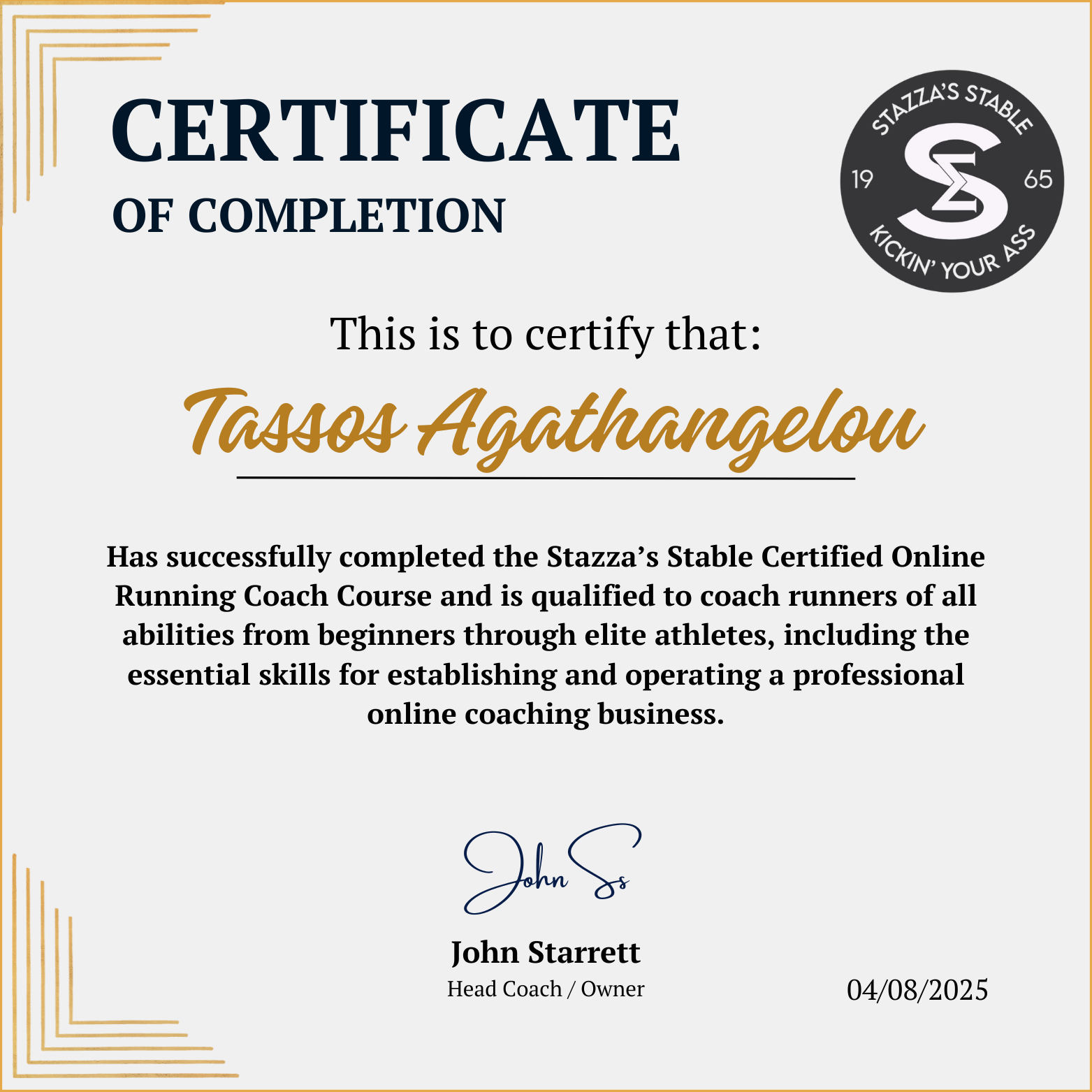
As Coach T, I’ll help you identify the right stimulus, apply it with purpose, and balance it with recovery — just like Canova’s champions and Stazza’s stable of sub-3 marathoners.
Together, we’ll turn science into results — and results into confidence.
Get Started Today
And if you’re ready to take it further, you can book a call and get one month free coaching here:
Final Thoughts: Respect the Marathon
The marathon is a test of honesty. It reflects what your body has truly prepared for, not what you believe it has.
Illness adds another layer to that test. You may feel ready, but deeper systems may still be recovering. Breathing alone does not define readiness. Muscle function, recovery, and adaptation are just as important.
My Barcelona marathon reminded me of that in the clearest way possible. It showed me that even with strong preparation, a short illness window can have a significant impact.
Respect your recovery. Respect your body. And most importantly, respect the marathon distance.
Because in the end, the marathon always tells the truth.
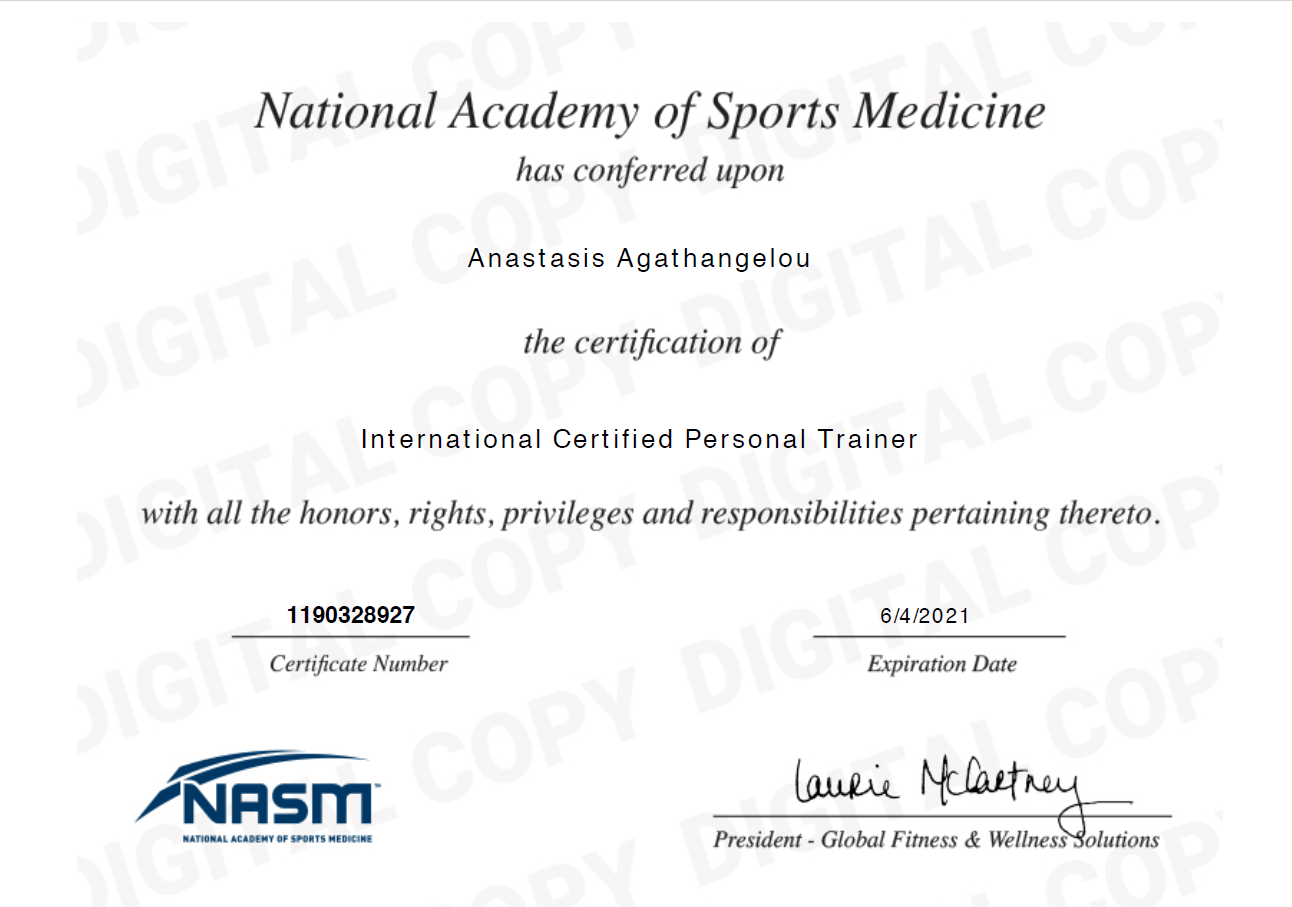
– Coach T, NASM-CPT
Please note that the information shared in this article reflects my personal knowledge and experiences. It is not intended as professional advice and should not be relied upon as such. Always consult with a qualified expert or professional before making any decisions based on the content provided.