

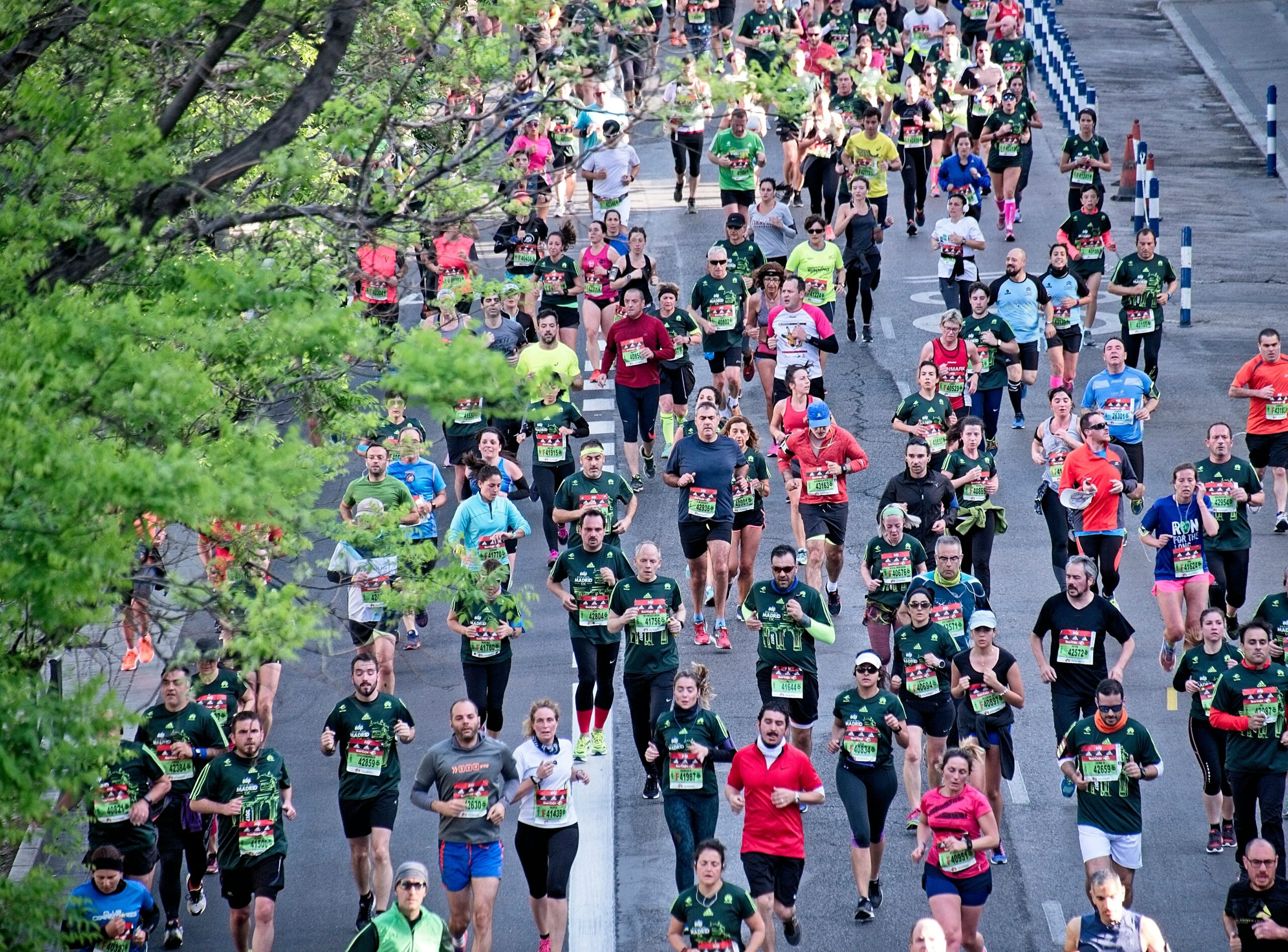
The Myth of “More Miles”
Every runner, from the local 10 K hero to the sub-3:00 marathon dreamer, has heard it:
“Just run more miles, and you’ll get faster.”
It’s the most common advice in running circles — and also the most misunderstood.
Over the years, the world’s top coaches have quietly proven that running farther doesn’t automatically mean running better. Two of the most respected names in modern distance coaching — Renato Canova and John Starrett (Stazza) — have shown that true improvement comes from a deeper principle: specific marathon training.
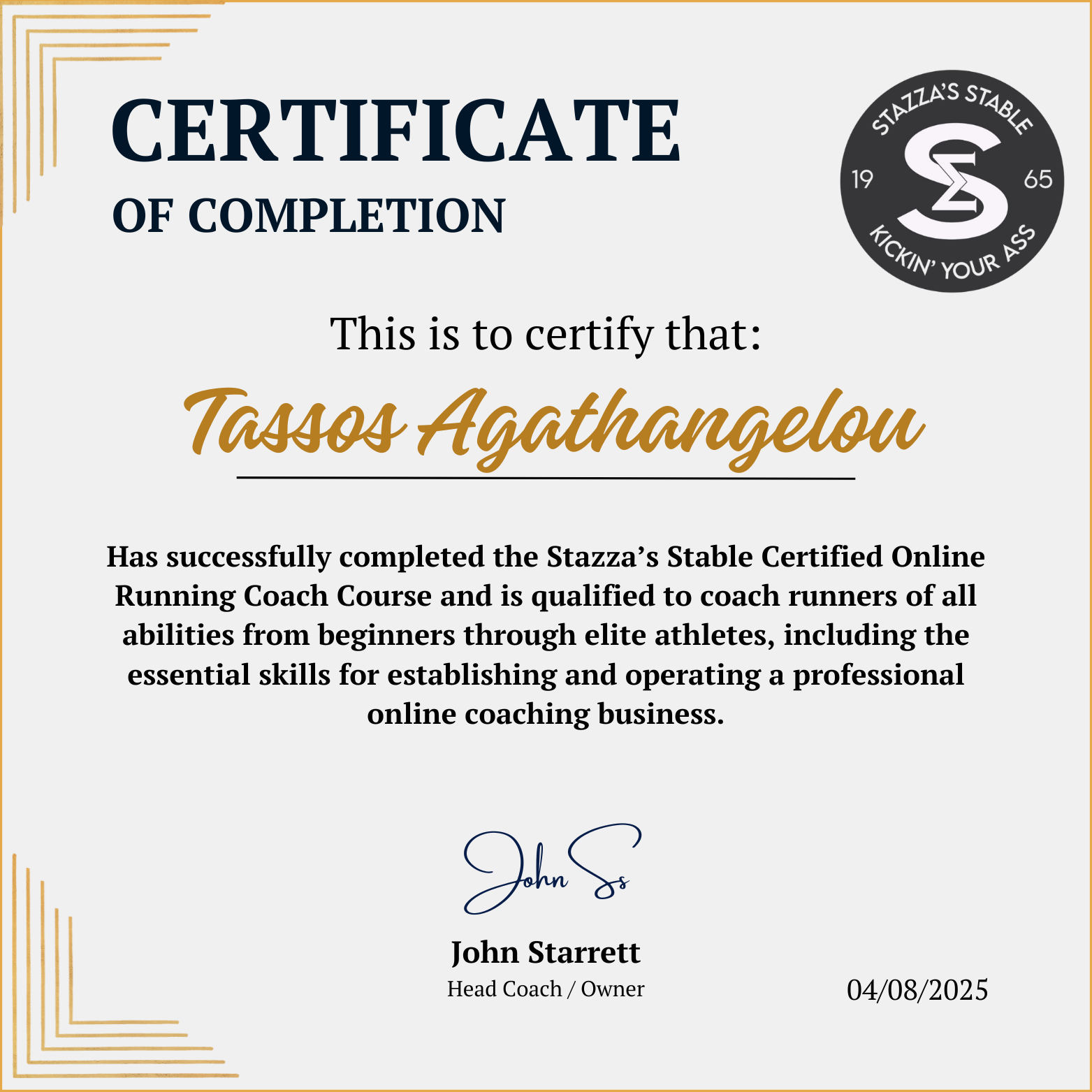
As Coach T, I’ve studied and applied both Canova’s physiological insights and Stazza’s structured systems in helping everyday runners achieve elite-level progress. In this article, we’ll break down exactly what specific quality means, why it outperforms blind mileage, and how you can use it to finally unlock your marathon potential.

What Is Specific Marathon Training?
At its core, specific marathon training means preparing your body to perform efficiently at your goal race pace — and building the endurance, strength, and energy systems that directly support it.
Renato Canova defines it this way: everything you do that’s close to marathon pace, and within roughly 10% faster or slower, is specific. Anything outside that range is general.
Put simply:
“Everything shorter than a half marathon isn’t specific. Everything slower than 10% of marathon pace isn’t specific.” — Renato Canova
So, instead of piling up long, slow miles that teach you how to survive, specific marathon training teaches your body how to thrive at the exact pace you want to hold on race day.
For Canova, this approach isn’t theoretical — it’s the foundation that produced Olympic and World Championship medalists like Abel Kirui, and Kenenisa Bekele.
And while the principles come from the world’s best, they’re just as powerful for recreational runners who want to run smarter, not just longer.
The Canova Philosophy — Quality Over Quantity
Renato Canova’s entire system can be summed up in one sentence:
“Top athletes must produce quality.”
For Canova, quality means big modulation — strong contrasts between high-intensity days and true recovery. The problem with many runners isn’t lack of effort; it’s lack of variation.
They spend too much time in the “gray zone” — running moderate paces that are too fast to recover and too slow to build race-specific adaptations.
Canova flipped that logic. His athletes run with purpose: when it’s easy, it’s really easy. When it’s specific, it’s truly challenging.
He introduced workouts like:
- Fatlek Runs: Alternating one-minute fast/one-minute steady efforts for an hour. The secret? Even the “slow” parts are still run at a good rhythm — forcing the body to clear lactate quickly and reuse it as energy.
- Uphill Sprints (10–12 sec): Maximum-speed bursts that maintain the brain–muscle connection with fast-twitch fibers. These sprints keep the runner reactive late in the race when fatigue hits.
- Modified Circuits: Blending running at marathon pace with short body-weight drills (bounding, skipping, squat jumps). These build strength endurance — the ability to hold good form at the end of a marathon.
These workouts aren’t random. They’re physiologically targeted to make you more efficient at marathon pace — the essence of specific marathon training.

Why More Mileage Isn’t Always Better
Canova’s experience revealed a harsh truth:
“Volume destroys the body when it’s not qualified.”
In the past, marathoners logged 250–300 km per week. Some Japanese runners even reached 480 km. But they burned out after two seasons.
Modern champions rarely exceed 180 km — yet they run faster than ever.
Why? Because they train at the right intensity, not just more distance.
Canova’s formula:
- Early career = 80 % general / 20 % specific
- Mature runner = 50 % general / 50 % specific
- Elite peak = mostly specific
The goal isn’t to “extend volume” but to extend intensity — gradually sustaining goal pace for longer durations. That’s how you condition the body, the brain, and the fuel systems to hold up under marathon stress.
The Stazza System — Turning Specificity Into a Plan
John Starrett — known affectionately as Stazza — built a global coaching reputation on applying similar truths to amateur runners.
He’s guided over 700 athletes to sub-3:00 marathons, and thousands more to personal bests, by blending Kenyan training insights with structured Western planning.
His philosophy: If you want to run a fast marathon, first become fast over the half.
He often says:
“Within ten months, your half-marathon pace becomes your marathon pace.”
Stazza spends up to eight months building the runner’s speed endurance — getting comfortable running long at strong efforts. Then, in the final 12 weeks before race day, that foundation converts seamlessly into marathon-specific work.
Example: The Structural Long Run
One of his hallmark sessions mirrors Canova’s logic:
- 2 mi warm-up
- 12–18 mi at 20 sec slower than marathon pace
- 2 mi cool-down
Over weeks, the runner gradually increases the duration at pace until sustaining 18 mi at marathon pace feels natural.
This isn’t just fitness — it’s specific adaptation. It trains your fueling, neuromuscular rhythm, and mental focus for race conditions.
The Power of Modulation — The “Hard/Easy” Rhythm
Both Canova and Stazza insist that the magic isn’t just in the workouts — it’s in how you sequence them.
Stazza typically assigns two quality sessions per week — one endurance-based, one speed-oriented — surrounded by true recovery days.
Canova calls this “modulation”: a wave-like pattern of stimulus and recovery that keeps the body adapting without breaking down.
Too many amateurs run every day at “medium.” But adaptation happens only when contrast exists — hard enough to stimulate, easy enough to recover.
That rhythm is the backbone of specific marathon training.
Strength Endurance — The Missing Link
Canova makes an important distinction: marathoners don’t need maximum strength, they need strength endurance — the ability to maintain a high percentage of their strength for two or more hours.
That’s why he uses modified circuits, hill runs, and fast finishes.
In one of his favorite examples, elite athletes run a 27 km hilly course with 2,000 m of elevation changes — not to chase pace, but to challenge the body’s resilience.
He even prescribes strength circuits on the track:
- Run 400m at marathon pace
- 30s bounding or skipping
- 30s squat jumps
By combining specific pace with fatigue-resistance drills, you prepare your muscles to hold form when it matters most — the final 10 km of the marathon.
The Physiology Behind It — Lactate as Fuel
One of Canova’s greatest discoveries is that lactate isn’t the enemy — it’s energy in disguise.
Traditional marathon programs avoided “lactic” workouts, fearing they’d harm endurance. But through his work with Kenyan runners, Canova found that controlled variation in pace improves cell-membrane permeability, helping the body recycle lactate as energy faster.
That’s why his sessions often include pace changes or progressive runs — to train the body to handle surges, hills, and late-race accelerations efficiently.
In essence, you’re teaching your body to burn lactate, not drown in it.
Stazza’s Marathon Blueprint — From Half to Hero
In the Stazza method, marathon success begins long before the 12-week plan.
He insists that athletes first optimize their half-marathon fitness, then use that speed base to extend endurance.
For example:
- If you can run 1:30 for a half, Stazza predicts that within 10 months, you can convert that fitness to a sub-3:00 marathon — provided training follows his progression.
His weekly structure mirrors the principle of specific marathon training:
- Two demanding workouts (long run + interval/tempo)
- All other runs kept genuinely easy (60–65 min max) to preserve recovery
- Regular fueling practice during long runs to train the gut and brain for race day
His approach blends scientific precision with real-world practicality, making it ideal for working professionals balancing life, training, and recovery.
The Mindset Shift — Training With Purpose
Both coaches challenge the “completion mentality.” Running 20 miles easy doesn’t automatically make you marathon-ready.
As Canova says, “There must be a stimulus — otherwise it’s not training.”
The real difference between a 3:30 runner and a 2:55 runner isn’t just genetics; it’s how often they expose themselves to race-specific effort.
Specific marathon training requires courage — to run slower when it’s easy, faster when it counts, and always with intent.
Coach T’s Perspective — Bridging Science and Real-World Running
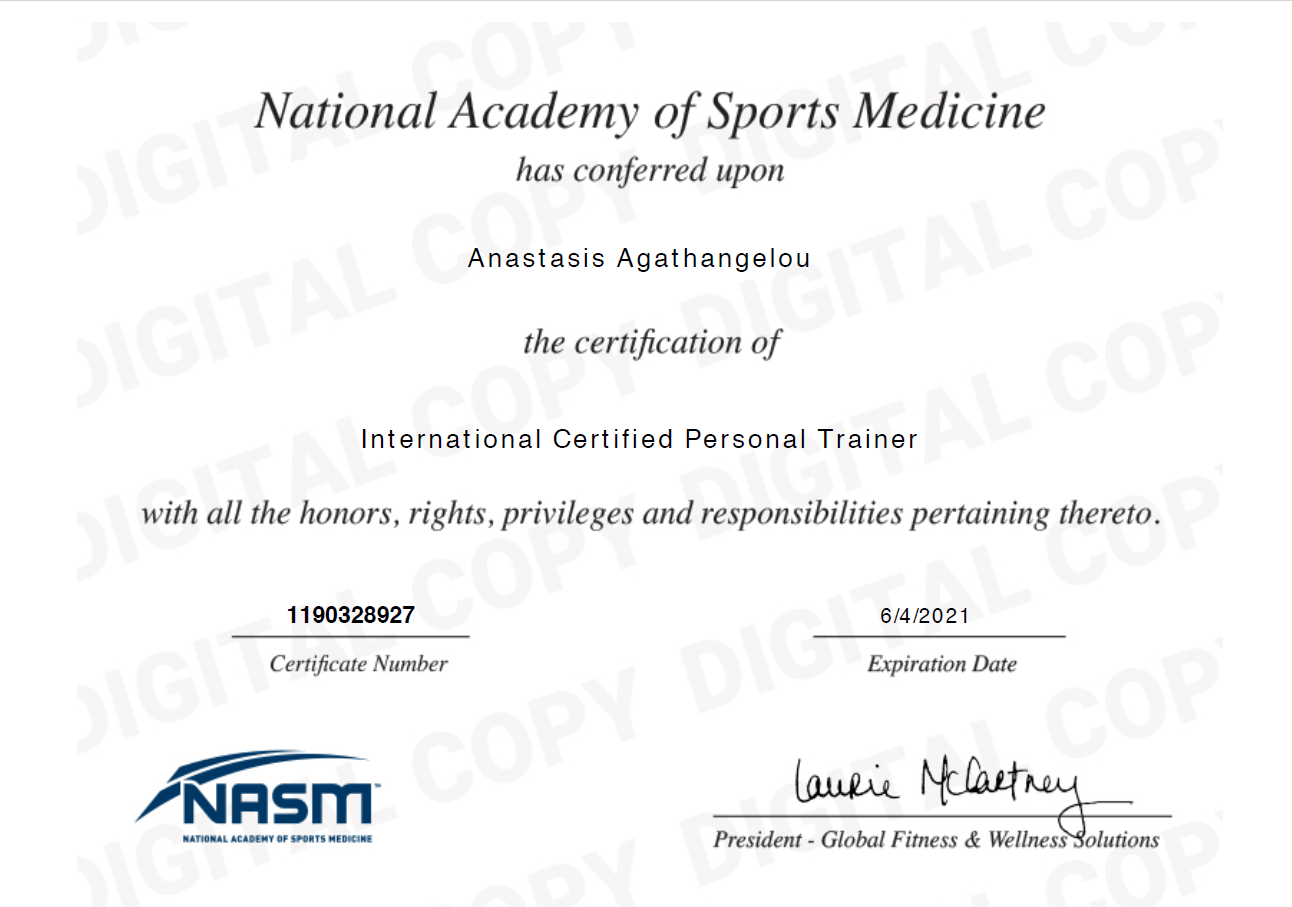
As Coach T, I’ve spent years translating these elite systems into programs that work for everyday runners.
Many amateurs read about Canova’s or Stazza’s philosophies and think, “That’s for elites — not me.”
But here’s the truth:
The principles scale perfectly. The difference lies only in pace, not purpose.
When I design a plan, I don’t just copy elite workouts — I adapt their structure, purpose, and progression to fit your reality: work schedules, recovery needs, and life balance.
From Experience to Practice — How Coach T Applies These Principles to You
- Science Meets Simplicity:
You’ll train using evidence-based methods — but without the jargon. Each workout has a reason, explained clearly. - Personalized Specificity:
Your “specific” pace is yours alone. Whether you’re chasing sub-4:00 or sub-3:00, we build intensity extensions based on your physiology and background. - Art + Science Integration:
Like Canova and Stazza, I blend the art of coaching (intuition, feedback, rhythm) with the science of adaptation. - Results-Focused, Runner-Friendly:
You’ll never be buried under junk miles. Instead, every session targets a purpose — improving fuel use, fatigue resistance, or mental toughness. - Making Training Fun Again:
My goal isn’t just to help you run faster — it’s to help you enjoy the process. You’ll rediscover the joy of varied sessions: hills, circuits, fast leg intervals, and relaxed recovery runs that leave you smiling instead of shattered.
When runners follow this system, improvement stops being a mystery. You’ll feel stronger, more controlled, and more confident in every long run.
Applying Specific Marathon Training in Your Next Build
Here’s how you can begin integrating these world-class ideas today:
1. Reframe Your Mileage
Stop chasing weekly totals. Instead, measure your volume of intensity — how much time you spend running at or near marathon pace.
2. Introduce Specific Sessions
Try this Canova-inspired workout once a week:
- 20 × (1 min fast / 1 min steady)
Keep both paces purposeful — this builds lactate recycling and mental toughness.
3. Add Strength Endurance
Incorporate short hill sprints (10–12 sec) twice per week, plus body-weight drills after runs.
4. Structure Your Long Runs
Follow Stazza’s progression:
- 2 up / 12 at MP + 20s / 2 down
Gradually build toward 18 mi at marathon pace four weeks before race day.
5. Respect Easy Days
Recovery runs should feel conversational. Remember, modulation drives adaptation.
6. Practice Fueling
Test gels, carb drinks, and timing during long runs so race day feels familiar.
Real-World Results — Quality Wins Every Time
The evidence from Canova’s and Stazza’s athletes is undeniable:
- Canova’s elites like Kirui and many more built world-class endurance with fewer total miles but far more race-specific sessions.
- Stazza’s amateurs consistently break lifetime barriers — from sub-3 marathons to Boston qualifiers — often running less than before but better targeted.
These successes all point to the same conclusion:
Specific quality, not mileage quantity, is the ultimate key to progress.
The Coach T Promise — Train Smarter, Run Stronger

Specific Marathon Training: Turn Science into Results
If you’ve ever felt stuck — training hard yet plateauing — you’re not alone. Most runners fall into the same trap: they confuse effort with effectiveness.
The good news? Once you understand and apply specific marathon training, everything changes.
- Recover faster
- Race stronger
- Enjoy training more
As Coach T, I’ll help you identify the right stimulus, apply it with purpose, and balance it with recovery — just like Canova’s champions and Stazza’s stable of sub-3 marathoners.
Together, we’ll turn science into results — and results into confidence.
Get Started TodayTrain With Intent, Run With Joy
The marathon doesn’t reward those who run the most miles — it rewards those who run the right miles.
Renato Canova and John Starrett have shown the way: train specifically, recover deliberately, and progress purposefully.
Whether you’re an elite chasing a new PB or a first-timer dreaming of the finish line, the path is the same — quality beats quantity.
And if you’re ready to apply these lessons the right way, I’m here to guide you — as Coach T, combining world-class knowledge with real-world coaching to help you run stronger, smarter, and happier than ever before.
**Please note that the information shared in this article reflects my personal knowledge and experiences. It is not intended as professional advice and should not be relied upon as such. Always consult with a qualified expert or professional before making any decisions based on the content provided.