


Running Strong Beyond 50
Turning 50 doesn’t mean slowing down—it can be the start of your best running years. With experience comes wisdom, discipline, and consistency. Many runners in their 50s and beyond continue to set personal bests, complete marathons, or simply enjoy the health and social benefits of running.
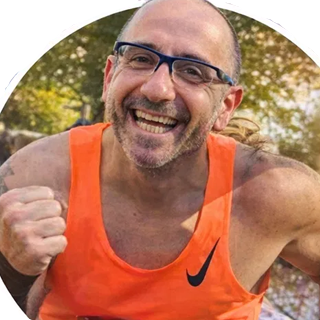
Coach Tazi
Endurance Running Coach
⚠️ Running after 50 shouldn’t feel like constant injury management
If you’re slowing down, feeling niggles more often, or struggling to recover between runs — the problem isn’t motivation. It’s how your training is structured for your body now.
The good news: small changes in load, intensity, and strength work can rebuild consistency and performance without increasing injury risk.
But training as a runner over 50 requires a slightly different approach. Aging brings natural changes in muscle mass, recovery speed, joint health, and cardiovascular efficiency. With the right adjustments in training, recovery, and nutrition, you can stay strong, avoid injury, and keep improving well into your later decades.
This guide shares science-backed training tips for runners over 50, drawing from proven coaching frameworks such as the Seven Pillars of Effective Training, nutrition strategies for endurance athletes, and practical injury-prevention tactics.
Respect Progressive Overload: The Key to Lifelong Improvement
One of the biggest mistakes older runners make is assuming they must train less or avoid challenging workouts altogether. The truth? You can still improve at 50+—if you respect progressive overload.
What it means: Gradually increasing training stress (volume, intensity, or complexity) so the body adapts without breaking down.
Coach Tazi
Online Running Coach
💪 Running over 50 and feel like your body keeps getting in the way?
You don’t need to slow down — you need to train smarter. I specialise in coaching runners over 50 who want to keep improving, stay injury-free and still race with purpose.
Practical tips for runners over 50
- Small weekly increases: Limit mileage growth to 5–7% per week, especially if returning from a break.
- Cycle stress and recovery: Use a 3:1 cycle (three weeks of increasing load, followed by one week of reduced volume).
- Alternate focus weeks: Avoid increasing both mileage and intensity simultaneously. For example, add distance one week, then add a faster workout the next.
- Account for life stress: Work, family, and sleep patterns affect recovery just as much as running volume.
Masters runner tip: Adaptation takes longer with age. Improvements may not appear immediately, so patience and consistency matter more than chasing rapid gains.
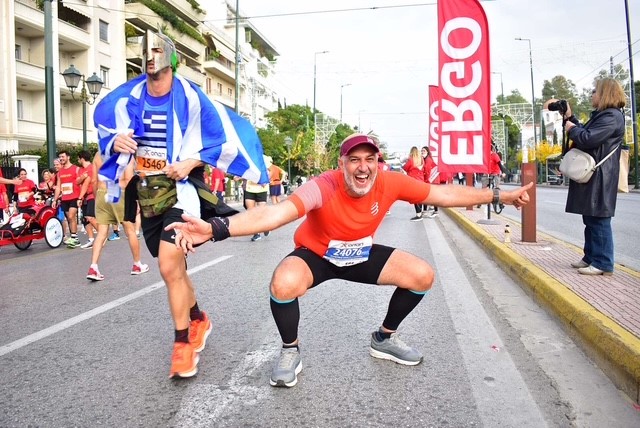
“From plateau to breakthrough — exactly what I needed.”
Coach T isn’t just a running coach.
He invests time. Real time.
Checks in. Adjusts. Cares.
One year ago, I was completely stuck — no progress, just plateau.
Through smart, structured training and constant guidance,
everything changed.
Step by step, I became stronger, more consistent, and confident —
leading to a new Marathon PB at Paris Marathon 2026.
Healthy. Strong. Injury-free.
— Demetris
Train with Specificity—But Listen to Your Body
Specificity means training in ways that mimic the event you’re preparing for. For masters runners, this principle is vital—but must be balanced with joint and tendon health.
Examples of specificity for 50+ runners
- Event-focused workouts: Marathoners benefit from long runs at or near marathon pace.
- Pace-specific intervals: Aiming for a sub-2 hour half marathon? Practice 5–6 × 1 mile at goal pace with recovery jogs.
- Environmental matching: Train in heat, hills, or terrain similar to your target race.
- Race-day rehearsals: Test nutrition, pacing, and gear in training—not on race day.
Masters runner tip: Specific workouts should be balanced with extra easy running to allow full adaptation. Don’t stack too many “hard” days.
👉 Learn why easy runs are the most important training day of the week
Recovery Is Training: Why Rest Matters More After 50
🏃♂️ Talk to Coach T Today -1 Month Free TrainingImprovement happens during recovery, not the workout itself. For masters runners, recovery becomes the primary training tool.
Recovery strategies for runners over 50
- Sleep first: Aim for 7–9 hours per night. Sleep debt increases injury risk and slows adaptation.
- Active recovery: Light cycling, swimming, or walking the day after a hard run promotes blood flow.
- Use recovery weeks: Every 3–4 weeks, reduce volume by 25–40% to recharge.
- Nutrition timing: Refuel with carbs + protein within 30 minutes post-run.
- Listen to warning signs: Soreness lasting more than 48 hours, persistent fatigue, or declining pace at easy effort means recovery is incomplete.
Masters runner tip: Treat recovery as sacred—not optional. Skipping rest days is the fastest path to injury at this stage of life.
Individualise Your Training Plan
No two 50-year-olds are the same. Some may run 70 miles per week and chase Boston qualifiers, while others focus on finishing their first 10K. The principle of individualisation ensures your plan matches your physiology, history, and lifestyle.
Key ways to individualise training
- Know your history: If you’re new, start with run-walk programs. If you’ve been running for decades, focus on refining quality sessions.
- Adapt to your body: Past injuries should shape your strength and mobility work.
- Match your schedule: Busy work and family life? Three quality runs per week often beat six inconsistent ones.
- Psychological fit: Some runners thrive on structured plans; others prefer flexible guidelines. Choose what keeps you motivated.
Masters runner tip: Avoid copying elite or younger athletes’ training plans. Your training must reflect your unique needs.
I’ve written a full guide on how to do hill training correctly, their benefits, and technique tips ideal for runners over 50 . Check it out here: 🔗 Hill Sprints for Runners: Technique & Benefits
Periodisation: Train in Seasons, Not Randomly
Sticking to the same routine year-round often leads to plateaus—or burnout. Periodisation—structuring training in cycles—helps keep training fresh and effective.
Example periodisation for runners 50+
- Base phase (8–12 weeks): Focus on easy aerobic mileage, strides, and light strength work.
- Build phase (6–10 weeks): Introduce threshold runs, moderate long runs, and hill sessions.
- Race-specific phase (6–8 weeks): Key workouts at target race pace, sharpening intervals.
- Taper phase (2–3 weeks): Reduce mileage, keep intensity, arrive fresh.
Masters runner tip: Extend base phases if needed—older bodies thrive on a bigger aerobic foundation before intensity is layered in.
Strength Training: The Secret Weapon for Masters Runners
From age 30, we lose 3–5% of muscle mass per decade. Strength training combats this decline, protects joints, and improves running economy.
| Priority | Focus | Example Exercises |
|---|---|---|
| 💪 Core & Hips | Stability, posture & running economy | Planks, side planks, bridges, clamshells |
| 🏃♂️ Leg Power | Strength for propulsion & endurance | Squats, lunges, step-ups, calf raises |
| 🧵 Eccentric Strength | Tendon resilience & injury prevention | Single-leg lowering (hamstrings, calves) |
| ⚡ Plyometrics (light) | Maintain neuromuscular sharpness | Skips, bounding, short hops |
| 🧘 Mobility & Balance | Flexibility & stiffness reduction | Yoga, dynamic mobility drills |
| ⏱️ Frequency | Consistency over volume | 2–3 sessions per week, 20–40 minutes |
| 🏅 Masters Runner Tip | Avoid heavy bodybuilding-style routines. Focus on running-specific strength, controlled movements, and functional balance for longevity. | |
👉 I’ve written a full guide here that is important for runners over 50: Effort vs. Pace Running Guide
Nutrition: Fueling Performance and Recovery After 50
Good nutrition becomes non-negotiable as recovery slows with age. Following the Nutrition for Endurance Runners framework helps ensure energy, recovery, and long-term health.
Carbohydrates: The primary fuel
- Moderate training: 5–7g/kg/day
- Heavy training: 7–10g/kg/day
- Choose whole grains, oats, fruits, potatoes, and rice.
Protein: Protecting muscle mass
- Competitive masters: 1.4–1.7g/kg/day
- Distribute protein evenly across meals.
- Include lean meats, fish, dairy, legumes, or plant protein powders.
Fats: Hormone health & recovery
- 25–35% of daily calories from fats.
- Focus on olive oil, avocados, nuts, and omega-3 sources (salmon, walnuts).
Hydration & electrolytes
- Baseline: 35–40ml/kg/day (about 2.5–3L for most adults).
- Add 500–750ml per hour of running.
- Replace sodium (200–500mg/hour) during long or hot sessions.
Masters runner tip: Prioritise recovery meals. Carbs + protein within 30 minutes help preserve lean mass and accelerate healing.
🚀 Stop Guessing. Start Progressing.
Most runners don’t fail because they lack motivation—they fail because they lack a roadmap.
Coaching removes the guesswork, giving you the exact workload at the right time to keep you injury-free and improving week after week.
Exclusive Offer: Get Your First Month FREE
Ready to go from beginner to marathoner with a proven plan? Let’s talk.
Book Your Free Call Meet Coach T →Injury Prevention: Staying Healthy After 50
Injury risk increases with age due to reduced tendon elasticity, slower recovery, and muscle imbalances. Proactive injury prevention keeps you running year after year.
Top injury prevention strategies
- Warm-up properly: Dynamic drills (leg swings, skips, lunges) before every run.
- Strides weekly: Maintain running economy with short, fast accelerations.
- Rotate surfaces: Mix road, track, trail, and grass.
- Footwear check: Replace shoes every 500–700km; use models with adequate cushioning.
- Strength work: Target glutes, hips, calves—common weak points in aging runners.
- Cross-training: Swimming, cycling, or elliptical reduces impact while maintaining fitness.
- Regular screening: Physiotherapy or movement assessments to address early warning signs.
Masters runner tip: Don’t ignore “niggles.” Early intervention (rest, physio, strength work) is far better than time off from a major injury.
Psychological Preparation: Mind Over Miles
Running after 50 is as much mental as physical. Motivation may shift from chasing personal bests to running for health, enjoyment, or community. But performance goals are still possible with mental preparation.
Mindset strategies for masters runners
- Set layered goals: Process (weekly consistency), performance (race time), and outcome (finishing strong).
- Use mantras: Short, repeatable phrases (“Strong and steady”) build resilience.
- Visualisation: Rehearse race day in your mind.
- Embrace discomfort: Learn to distinguish between “good training pain” and injury pain.
- Celebrate longevity: Focus on the privilege of running at 50+, not just finish times.
Masters runner tip: The mental edge of discipline and patience is often where older runners outperform younger ones.
“Care for the engine, master the miles—tend the body and it will carry the run for years.”
Running Your Best in Your 50s and Beyond
Running after 50 is not about slowing down—it’s about training smarter. By applying the seven pillars of effective training, focusing on recovery, nutrition, and strength, and listening to your body, you can continue to improve, avoid injury, and enjoy the sport for decades to come.
Your 50s can be your strongest, most rewarding years of running—if you adapt, stay consistent, and respect the balance between training stress and recovery.
About Coach T
I’m Coach T, an online running coach dedicated to helping everyday athletes unlock their potential. I’ve been mentored by Coach John “Stazza” Starrett—the man behind 700+ sub-3 marathons—and I bring his proven system to runners worldwide.
📞 Book a free call 👉 here
Coach Tazi
Online Running Coach
💪 Running over 50 and feel like your body keeps getting in the way?
You don’t need to slow down — you need to train smarter. I specialise in coaching runners over 50 who want to keep improving, stay injury-free and still race with purpose.
**Please note that the information shared in this article reflects my personal knowledge and experiences. It is not intended as professional advice and should not be relied upon as such. Always consult with a qualified expert or professional before making any decisions based on the content provided.