


Marathon runners are a special breed. You don’t sign up for 42.2 kilometres because you enjoy shortcuts. You sign up because you want a challenge that demands patience, discipline, and a body that can keep going when comfort disappears. And if you’re reading this, you’re probably serious about improving — not just finishing, but running your best marathon yet.
Now, most runners believe the key to improvement is always doing more hard sessions. More marathon pace. More tempo. More intensity. And while those workouts absolutely have their place, the truth is something many runners learn too late:
The marathon is built on your easy runs.
Easy running is not “junk mileage.” It is not filler between workouts. Instead, it is the foundation that allows marathon training to work at all. When easy running is done correctly, it develops the deep endurance systems that make marathon pace sustainable, keeps your body durable enough to handle high mileage, and helps you improve without burning out mentally or physically.

So today, I want to walk you through exactly what easy runs do inside your body — based directly on the key adaptations in the image you shared — and why they are the real secret weapon for marathon success.
Why Easy Running Is the Engine Behind Marathon Performance
The marathon is not won by speed alone. It is won by endurance efficiency. That means your ability to deliver oxygen, produce energy steadily, spare fuel, and keep your muscles functioning late into the race matters far more than how fast you can run one kilometre.
That is why easy running is so powerful. It develops the aerobic system — the part of your fitness that supports long-duration performance. And importantly, it does so in a way that you can repeat day after day, week after week, without constantly draining your body.
In other words, easy running is what makes consistency possible. And consistency is what makes marathon runners great.
Easy Runs Build Capillary Density: More Oxygen Where You Need It
One of the most important adaptations from easy running is increased capillary density. Capillaries are tiny blood vessels that deliver oxygen directly into working muscles.
When you run easy miles consistently, your body responds by building more of these vessels. That means oxygen delivery becomes smoother and more efficient. Your muscles learn to work with less strain at a given pace, and recovery between sessions improves as well.
This is one reason marathon pace starts to feel more controlled after months of aerobic mileage. You’re not just getting fitter — you’re literally building a better oxygen transport network in your legs.
And that matters enormously when you reach the later stages of the marathon.

Mitochondrial Growth: The Deep Endurance Upgrade
Another key benefit of easy running is mitochondrial development. Mitochondria are often called the “power plants” of your cells because they produce aerobic energy.
The marathon depends heavily on this system. The more mitochondria you have — and the better they function — the more efficiently you can generate energy without relying too heavily on glycogen or producing excessive fatigue.
Easy running is one of the strongest triggers for mitochondrial growth. That’s why runners who commit to relaxed mileage often find that their endurance improves dramatically even before they add more intensity.
Simply put, easy runs build the energy factories that power long-distance performance.
Glycogen Storage and Fat Utilization: Avoiding the Wall
Every marathon runner knows the fear of “hitting the wall.” That late-race crash is often the result of glycogen depletion combined with muscular fatigue.
This is where easy running becomes a metabolic advantage. With consistent aerobic training, your body becomes better at using fat as a fuel source during steady running. That means you preserve glycogen longer, and you can maintain marathon pace deeper into the race.
So while hard workouts sharpen your speed, easy running teaches your body to become fuel-efficient — which is one of the most marathon-specific adaptations of all.
Increased Blood Volume: A Stronger Cardiovascular System
Easy running also increases blood volume, which improves cardiovascular efficiency. More blood volume means your heart can pump more oxygen per beat, reducing the strain at submaximal paces.
That is why experienced marathon runners often have lower heart rates at marathon pace. They are not forcing the effort — their system is simply more developed.
And once again, easy running is the safest and most reliable way to build that aerobic depth.
Tendon Development: Durability for High Mileage
Marathon training is not only about your lungs. It is also about your tendons.
Tendons adapt slowly, but they are essential for handling repetitive impact. Easy running provides the consistent loading that strengthens tendons over time, reducing injury risk and improving running resilience.
This is why runners who skip easy mileage and only chase intensity often break down. The aerobic system might improve quickly, but the structural system cannot keep up.
Easy running builds durability quietly — and durability is what allows marathon consistency.
Bone Development and Long-Term Strength
Similarly, easy running supports bone remodeling. Each step sends a signal that encourages bones to become stronger and more resilient.
Over months and years, this structural adaptation becomes a major advantage. Marathon training is high impact, and runners who build gradually through easy running are far more likely to stay healthy across long cycles.
Improved Running Economy: Becoming More Efficient
Easy running also improves running economy — how much energy you use at a given pace.
Because easy runs allow high repetition without exhaustion, your neuromuscular system refines movement patterns. Your stride becomes smoother. Your rhythm becomes automatic. You waste less energy.
That is one of the reasons marathon pace eventually feels “easier.” It’s not only fitness — it’s efficiency.
And efficiency wins marathons.
The 65-Minute Rule: When Easy Stops Being Easy
One concept I want every serious marathon runner to understand is that easy running is not automatically easy just because the pace is slow. Duration matters. In fact, once an “easy” run extends beyond a certain point, the physiological cost begins to change, even if your breathing still feels controlled. This is where Stazza coaching philosophy call the 65-minute rule becomes extremely useful. Based on endurance physiology, runs longer than roughly 60–70 minutes start to accumulate a meaningful training load: glycogen use increases, hormonal stress rises, muscle damage becomes more significant, and recovery demands grow. At that stage, the run is no longer serving the pure purpose of an easy aerobic session. Instead, it begins drifting into a moderate endurance stimulus, which is not necessarily bad, but it is different.


Marathon Coaching: Train Strong, Stay Injury-Free
Training for a marathon isn’t just about doing more miles — it’s about doing the right work at the right time, without breaking down.
As Coach T, I help runners train smarter, stay consistent, and build the strength and structure needed to run strong and injury-free.
- Train safely with purpose
- Reduce injury risk and fatigue
- Build long-term marathon fitness
Whether you’re chasing a PB or simply want to enjoy running without setbacks, I’ll guide your training with a balance of science, coaching experience, and sustainable progression.
Let’s train with confidence — strong, healthy, and ready on race day.
Get Free Coaching SupportThat distinction is critical. The primary purpose of an easy run in marathon training is not to squeeze out more fatigue. It is to build aerobic development while keeping stress low enough that you remain fresh for the sessions that actually drive performance forward. Easy runs should support your training week, not steal energy from it. If you routinely turn easy days into 80–90 minute outings, you may feel productive in the moment, but over time you risk flattening the quality of your harder workouts. Marathon fitness comes from contrast: easy days that truly allow recovery, and hard days that deliver the specific stimulus.
So for most marathon runners, I strongly recommend keeping standard easy runs in the range of 40 to 65 minutes. That window is long enough to trigger aerobic adaptations like capillary growth, mitochondrial development, and improved running economy, yet short enough to avoid unnecessary physiological strain. Longer running absolutely belongs in marathon training, but that is the role of the long run or specific endurance sessions — not your everyday easy mileage.
When you respect this principle, your training becomes more sustainable, your legs stay fresher, and you arrive at key workouts ready to execute. In the marathon, consistency beats occasional hero days. And sometimes the smartest thing you can do is stop an easy run at 60 minutes, feeling like you could do more, because that is exactly the point.
“Finish easy runs feeling better than when you started — that’s how you know you’re doing them right.”
Coach T’s Easy Run Guide
| Adaptation | What Easy Runs Improve | Why It Matters in the Marathon |
|---|---|---|
| Capillary Density | Oxygen delivery to muscles | Marathon pace feels smoother late |
| Mitochondrial Growth | Aerobic energy production | Stronger endurance engine |
| Fuel Efficiency | Better fat use + glycogen sparing | Helps prevent hitting the wall |
| Tendon & Bone Strength | Structural durability | Supports high mileage safely |
| Running Economy | Less energy cost per pace | Faster marathon with same effort |
Want Your Easy Running Structured Properly?
This is exactly what I do with marathon runners inside my online coaching.
Easy running is powerful, but it must be balanced correctly with marathon pace work, threshold training, and long-run progression. Most runners either run too fast on easy days or fail to connect their mileage into a proper system.
If you want a plan built specifically for your physiology, your schedule, and your marathon goal, you can learn more about me here:
And if you’re ready to take action now, you can book your call today and get 1 monthfree coaching:
🏃♂️ Talk to Coach T TodayFinal Thought: Easy Running Is Not Easy Progress — It’s Smart Progress
Marathon success is not about suffering every day. It is about building an aerobic engine so strong that marathon pace becomes sustainable, controlled, and confident.
Easy runs develop the systems that matter most: oxygen delivery, endurance energy, fuel efficiency, tendon strength, bone durability, and running economy.
So if you want to get faster without burnout, start respecting the easy miles.
They are where marathon runners are made.
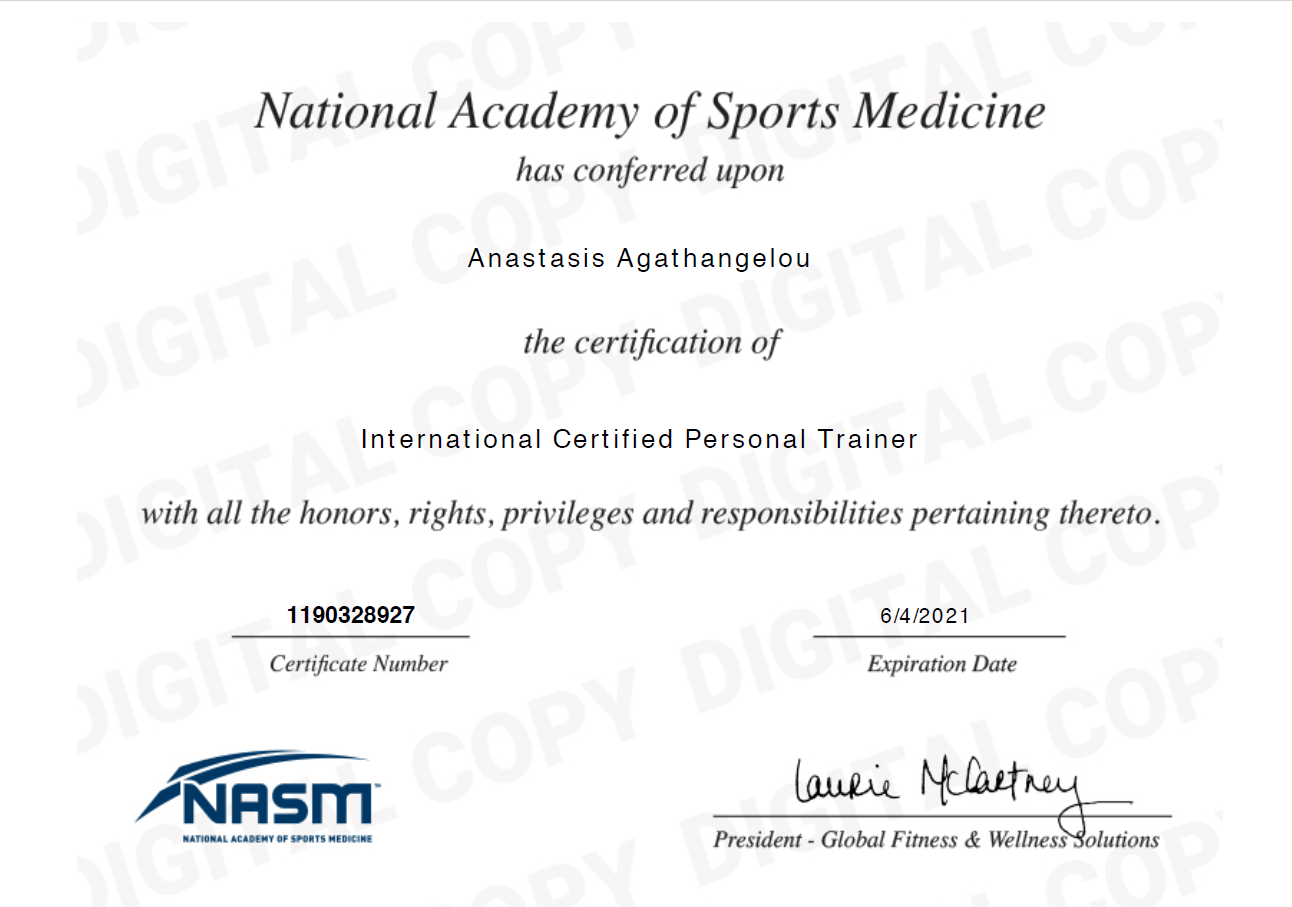
– Coach T, NASM-CPT
**Please note that the information shared in this article reflects my personal knowledge and experiences. It is not intended as professional advice and should not be relied upon as such. Always consult with a qualified expert or professional before making any decisions based on the content pro