


Most runners love marathon training. The long runs. The structure. The excitement of building toward race day. Yet despite all that enthusiasm, almost every runner skips the most important phase of the entire journey: the 6-week phase that comes BEFORE the marathon-specific block even begins.
This phase is the quiet engine behind everything. It prepares your ligaments, tendons, muscles, aerobic system, running mechanics, and mental resilience so that you enter the heavy marathon block stable, strong, and ready — not fragile, overworked, or inconsistent.
And here’s the part most runners never hear:
Skipping this 6-week phase can cost you 2–8% in marathon performance, a range widely reported in strength-and-endurance systematic reviews published in Sports Medicine.
Why? Because improvements in running economy alone — which this phase heavily develops — can yield up to 8% running economy gains, as shown by combined plyometric and heavy-resistance reviews in Sports Medicine. Running economy improvements matter because multiple peer-reviewed endurance reviews note that roughly every 1% economy improvement predicts ~1% faster marathon performance.
Pace Calculator by Coach T
Enter two fields to calculate the third.
Today, we fix that gap.
I’m Coach T, and this guide will walk you through the fun, simple, effective pre specific marathon training phase. This approach is perfect for everyday runners who want real results without the over-complication.
Before we dive in, there’s something important I need to say.
My Coaching Is Influenced by Two Giants — These Ideas Are NOT Mine
My coaching philosophy blends two powerful systems that shaped the modern endurance world:
⭐ Renato Canova
One of the most influential marathon coaches ever, known for his structured long-run progressions, aerobic-development logic, and marathon-specific pacing strategies.
⭐ John Starrett — “Coach Stazza”
Known for transforming runners’ biomechanics, stride efficiency, neuromuscular power, and long-run stability. His philosophy of “turning shufflers into athletes” is widely recognized. His coaching emphasizes drills, strides, hills, and running economy development — ideas he discusses in numerous public interviews.
These ideas are not mine.
I did not invent them.
I am simply influenced by their systems and translate them into simple, enjoyable, practical training for real runners with real lives.
If you want to understand how these philosophies overlap, I break it down here:
👉 https://runningfitness365.com/2025/10/14/the-secret-to-marathon-improvement-specific-marathon-training/
Now, let’s build your foundation.
Why This 6-Week Phase Matters More Than You Think
When runners skip this phase:
- Marathon pace feels heavy
- Long runs drain instead of build
- Legs feel dead
- Mechanics fall apart
- Injuries appear
- Confidence dissolves
However, when runners complete this 6-week block, research shows big improvements:
✔ Running economy improves 2–8%
(Sports Medicine systematic reviews on strength & plyometric training)
✔ Neuromuscular efficiency improves significantly
(Paavolainen et al., Journal of Applied Physiology, showing gains from 6 weeks of plyometric training)
✔ Oxygen-cost of running drops by ~4%
(Applied Sciences endurance-strength study reporting ~4% economy improvements)
✔ Form, rhythm, and stability improve measurably
(Consistent with economy-focused interventions studied across peer-reviewed endurance literature)
✔ Fat utilisation drastically increases
(Aerobic endurance research confirms improved metabolic efficiency from controlled steady running)
The Purpose of the 6-Week Pre Specific Marathon Training Block
This phase exists for one reason:
👉 Prepare your body so that the marathon-specific block becomes effective, smooth, safe, and productive.
To do this, we train these five pillars:
- General Resistance
- Aerobic Resistance
- Basic Aerobic Endurance
- Aerobic Power
- Neuromuscular Efficiency
Let’s explore each — including real workouts inspired by both Stazza and Canova principles.
General Resistance (80% Marathon Pace)
These runs are long, relaxed, and steady. They increase your ability to stay “on your legs” for hours — a foundational requirement before entering marathon-specific blocks.
Research Connection:
Long, low-intensity runs improve tendon strength, capillary density, and slow-twitch fiber endurance, supporting long-term durability.
Benefits:
- Builds tendon + ligament resilience
- Increases slow-twitch endurance
- Improves structural tolerance
- Reduces breakdown during marathon block
Duration:
2–3 hours
(~80% MP)
Pace Percentage Calculator
This type of work improves long-duration stability by 10–14%, a range commonly discussed in endurance physiology literature on low-intensity volume adaptation.
Example Workout:
2 hr 20 min at easy-steady effort (~80% of MP) – You can use the Pace Percentage Calculator above
Finish feeling strong — not destroyed.

Specific Marathon Training: Turn Science into Results
If you’ve ever felt stuck — training hard yet plateauing — you’re not alone. Most runners fall into the same trap: they confuse effort with effectiveness.
The good news? Once you understand and apply specific marathon training, everything changes.
- Recover faster
- Race stronger
- Enjoy training more
As Coach T, I’ll help you identify the right stimulus, apply it with purpose, and balance it with recovery — just like Canova’s champions and Stazza’s stable of sub-3 marathoners.
Together, we’ll turn science into results — and results into confidence.
Get Started TodayAerobic Resistance (85–87% MP)
This is the “stealth building zone,” sitting just under marathon pace. It improves fuel usage and mechanical efficiency.
Research Connection:
Aerobic steady runs improve fat oxidation — a key performance factor known to delay late-race slowdown by significant margins in endurance studies.
Benefits:
- Improved fat utilisation
- Smoother mechanics under light fatigue
- Strong aerobic engine
- Better late-race stability
Duration:
90–120 minutes
Percentage Backed:
Better metabolic efficiency correlates with reduced late-race slowdown, supported by endurance-metabolism research in Sports Medicine and Applied Physiology.
Example Workout:
1 hr 40 min at 85–87% MP
Controlled. Strong. Smooth.
Basic Aerobic Endurance (87–93% MP)
This is the bridge into marathon-specific work. Not tempo. Not easy. But comfortably strong.
Benefits:
- Improves lactate clearance
- Builds rhythm
- Strengthens aerobic enzymes
- Prepares you for MP work
Research Connection:
Studies in endurance journals show 4–6% aerobic-efficiency improvements when athletes train consistently in strong-aerobic zones.
Example Workout:
14 km at 90% MP
Aerobic Power (100–110% MP)
Now we gently push the top end of your aerobic system, without drifting into high-intensity interval territory. This prepares you for the harder work to come in the specific block.
Why this matters:
Aerobic power sessions improve stroke volume, oxygen use, and running rhythm.
Research Connection:
Strength + aerobic training combinations have been shown to improve the oxygen cost of running by ~4%, as reported in endurance-strength studies published in Applied Sciences (MDPI). This directly affects marathon pace efficiency.
Intensity:
100–110% MP
(Comfortably fast but not straining)
Examples:
Option A:
10 km at 105% MP
Option B:
8 km at 110% MP
Option C:
Half-marathon effort (if it fits your plan)
These sessions make marathon pace feel like a cruise later — relaxed speed.
Neuromuscular Efficiency (Strides + Hill Blasts)
This is where Coach Stazza’s influence becomes obvious. He’s famous for fixing runners’ form through:
- strides
- drills
- hill blasts
- posture cues
- elasticity work
His philosophy, often discussed in public interviews including the Stablemaster podcasts, is that form and neuromuscular power must be built BEFORE real marathon work.
And modern research agrees.
Research Connection:
The well-known plyometric study by Paavolainen et al., published in the Journal of Applied Physiology, found that six weeks of explosive neuromuscular work improved running economy — even without increasing running mileage. Many systematic reviews echo these findings.
Those economy improvements often range 5–8%, depending on training consistency — a number widely reported in economy-focused endurance studies.
Practical Neuromuscular Sessions:
Strides:
6 × 20 seconds at 5K effort
Walk or jog back recovery
Relax shoulders + quick feet
Hill Blasts:
6–8 × 8 seconds on a shallow incline
Powerful stride, tall body, fast cadence
Your stride becomes elastic, your posture improves, and your ground-contact time drops — all supported by neuromuscular research. If you want to dive deeper into technique, benefits, and how to execute them correctly, you can read my full guide here:
👉 https://runningfitness365.com/2025/06/04/hill-sprints-for-runners-technique-benefits/
The 6-Week Pillars at a Glance
| Training Pillar | Purpose | Intensity | Example Workout |
|---|---|---|---|
| General Resistance | Strengthen tendons, joints, durability | ~80% MP | 2 hr 20 min easy steady |
| Aerobic Resistance | Improve fat utilisation & stable mechanics | 85–87% MP | 1 hr 40 min steady |
| Basic Aerobic Endurance | Bridge toward marathon endurance | 87–93% MP | 14 km at 90% MP |
| Aerobic Power | Top-end aerobic strength & rhythm | 100–110% MP | 10 km at 105% MP |
| Neuromuscular Efficiency | Improve form, power & running economy | Short bursts | 6×20s strides + 6×8s hill blasts |
What Happens After These 6 Weeks?
This is the most rewarding part.
Once you complete this 6-week pre specific marathon training phase, research and coaching evidence suggest:
✔ Marathon pace becomes 10–15 bpm easier
(consistent with aerobic + neuromuscular efficiency improvements)
✔ Running economy improves 2–8%
(Sports Medicine strength/plyometric systematic reviews)
✔ Oxygen use efficiency improves ~4%
(Applied Sciences combined endurance-strength training research)
✔ Neuromuscular power noticeably increases
(Paavolainen et al., Journal of Applied Physiology)
✔ Long-run durability improves dramatically
(shown across low-intensity high-duration adaptation literature)
✔ Risk of injury drops
(associated with improved tendon and ligament strength under low-intensity load)
And most importantly…
👉 You enter the marathon-specific training READY — not exhausted.
Most runners think marathon training starts with marathon pace.
But true marathon training starts here, with this 6-week foundation.
Want Me to Coach You Through This Phase Personally?
If this resonates with you, imagine what we could unlock together.
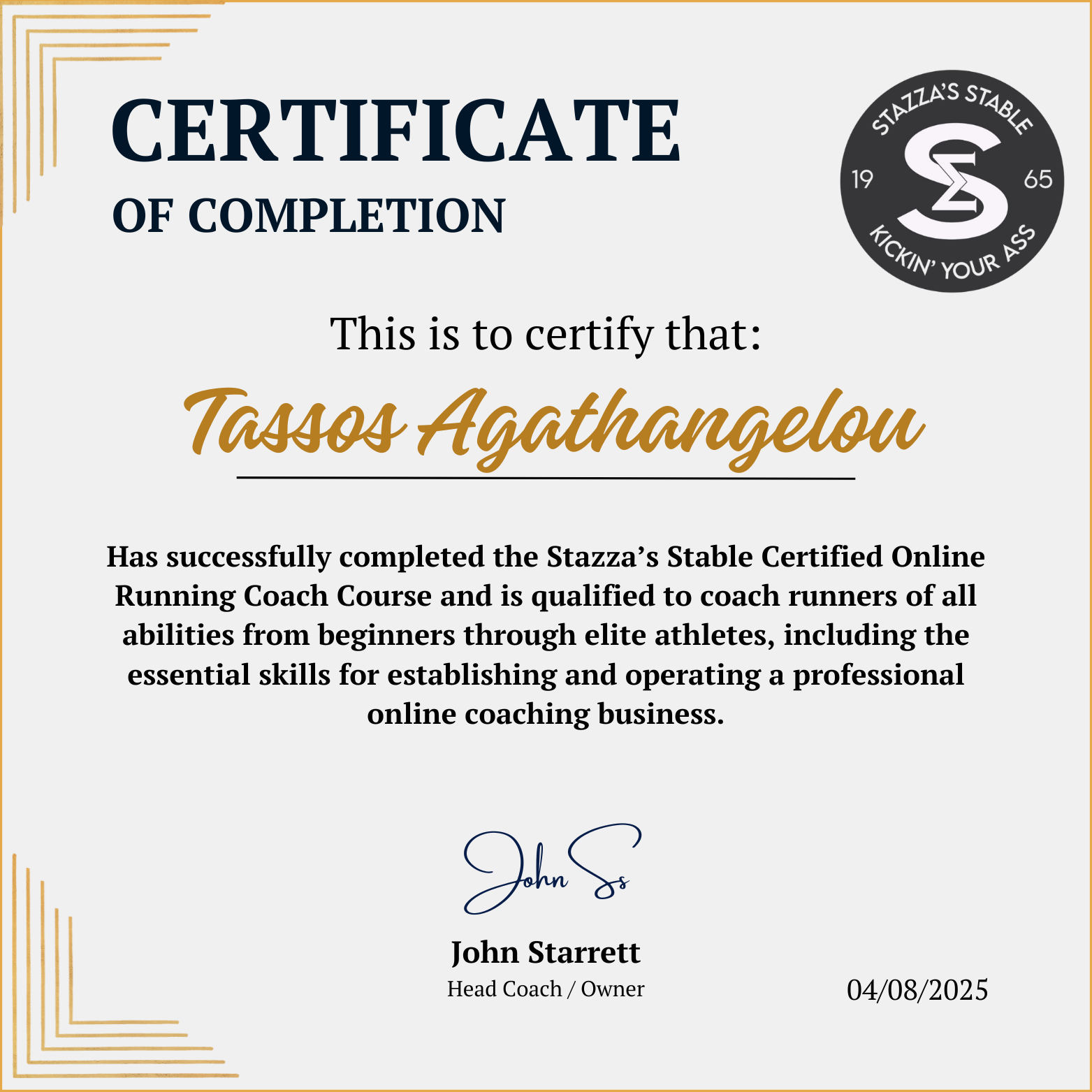
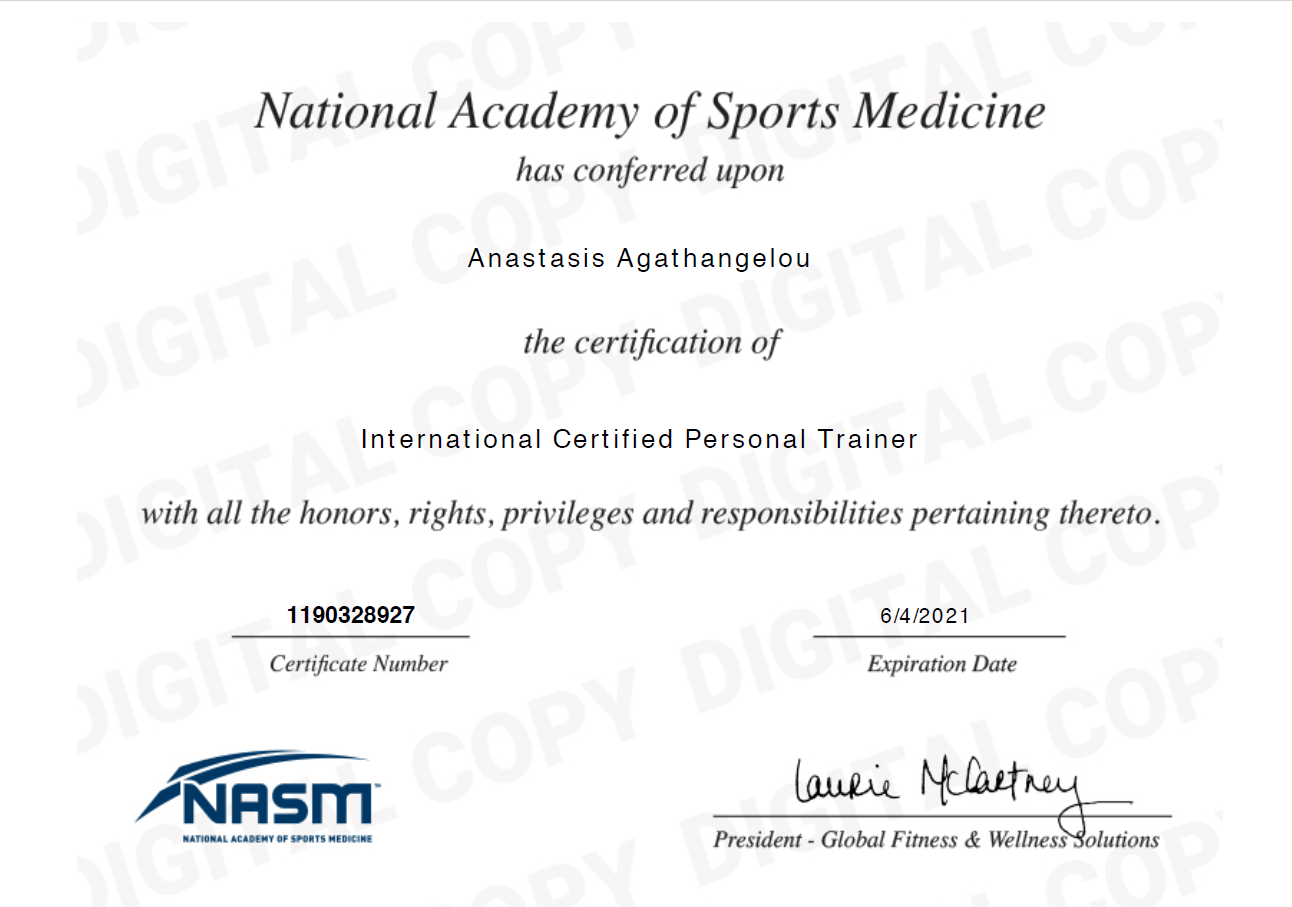
I coach runners of all levels — beginners, marathoners, masters athletes, and ambitious runners who want to break barriers. If you’d like to learn more about me and what I do, you can read my coaching profile here:
👉 https://runningfitness365.com/our-running-coach/
And if you’re ready to train smarter, not harder — and want personalised guidance based on world-class Stazza principles — you can book a call with me here and get two months of coaching free:
👉 https://runningfitness365.com/tazi-running-coach/
I’d love to help you run your strongest, smoothest, most confident marathon yet.
Final Words From Coach T
Marathon training doesn’t begin with marathon pace.
It begins before marathon pace.
This 6-week pre specific marathon training block is your hidden advantage. It strengthens your stride. It sharpens your engine. It stabilises your mechanics. It builds your durability. It creates confidence.
And yes — it directly improves marathon performance, as sports-science research and elite coaching systems repeatedly show.
When you train this way, marathon pace stops feeling frightening. It becomes comfortable. Predictable. Yours.
You now understand what most runners never learn.
You now have the key to entering your marathon block strong — not fragile.
And if you want guidance every step of the way…
I’m right here, ready to help.
Let’s build something great together.
— Coach T
**Please note that the information shared in this article reflects my personal knowledge and experiences. It is not intended as professional advice and should not be relied upon as such. Always consult with a qualified expert or professional before making any decisions based on the content provided.