

Train Smarter in Singapore’s Heat and Humidity with Coach T
Have you ever finished a run in Singapore and wondered what happened?
The workout looked straightforward when you planned it the night before. You woke up early, laced up your shoes, and headed out before sunrise. Yet only a few kilometres later, your heart rate seemed unusually high, your legs felt heavier than expected, and the pace on your watch looked slower than normal.
If that sounds familiar, you’re not alone. In fact, it’s one of the most common conversations I have with runners from Singapore.
Many runners immediately assume they are losing fitness. Others think they’re not training hard enough. Some become frustrated because they compare their pace with runners living in Europe, North America, or Australia.
The reality is much simpler. Singapore is a challenging place to run.
Coach Tazi
Online Running Coach
🌡️ Training in Singapore feels harder than it should?
It’s not a lack of fitness. It’s the heat, humidity, and recovery load distorting how your body responds to training. Once you understand what’s really driving fatigue, your training stops feeling confusing and starts becoming structured again.
The combination of heat and humidity places additional stress on your body almost every day of the year. Your cardiovascular system works harder. Your cooling mechanisms work overtime. Recovery becomes more important. Consequently, training requires a different approach than what many generic marathon plans provide.
That is exactly why I enjoy coaching runners from Singapore.
I’m Coach T, founder of RunningFitness365. I live in Cyprus, an island known for long summers, intense sunshine, and months of warm-weather training. Although Cyprus and Singapore have different climates, both environments teach runners valuable lessons about heat adaptation, pacing, hydration, recovery, and long-term development.
Singapore vs Cyprus: Similar Training Challenges
One of the questions I occasionally receive is simple.
“Coach T, you live in Cyprus. How can you understand what it is like running in Singapore?”
It’s a fair question.
On the surface, the two countries appear very different. Singapore is tropical. Cyprus is Mediterranean. Singapore is famous for high humidity. Cyprus is known for long, dry summers.
“I stopped trusting pace in Cyprus heat — and started training differently.”
Training in Cyprus heat and humidity changed how every session felt. Some days everything looked fine on paper, but the effort didn’t match the pace at all.
At first I thought something was wrong with my fitness. I kept trying to force sessions to match previous numbers, but it only made training more inconsistent.
The change came when my training structure shifted away from strict pace targets and towards effort, recovery, and environmental stress.
That’s when things stabilised. I didn’t suddenly become faster — but I stopped misreading every hard session as a problem.
The main value for me was having someone explain what was actually happening physiologically and adjusting training so I stopped fighting the conditions.
— Demetris, Cyprus
However, runners often look at climate differently than tourists do.
What runners notice is environmental stress.
Every summer in Cyprus I spend months training and coaching in temperatures that regularly climb above 30 degrees Celsius. Long runs become more demanding. Recovery suddenly becomes more important. Hydration can no longer be treated as an afterthought. The weather becomes part of the training process whether you like it or not.
That experience has given me enormous respect for athletes who train consistently in difficult climates.
It has also taught me something valuable. The runners who learn how to train intelligently in warm weather often become exceptionally resilient athletes. They stop chasing pace and start understanding effort. They stop fighting the conditions and start adapting to them. And ultimately, they become stronger because of it.
How Heat and Humidity Affect Running Performance
A runner living in Singapore has a relationship with heat that most runners around the world never experience.
For many athletes elsewhere, hot weather appears occasionally. In Singapore, it is simply part of normal life.
That changes how training should be approached.
When temperatures rise and humidity remains high, your body begins diverting more resources toward cooling itself. Blood is pushed closer to the skin. Sweat production increases. Heart rate rises faster for the same effort. Even simple training sessions can feel more demanding than expected.
Many runners see this as bad news. I don’t.
In fact, one of the most fascinating aspects of endurance physiology is that the human body adapts remarkably well when exposed to heat intelligently and progressively.
Over time, properly managed warm-weather training can improve sweating efficiency, expand plasma volume and improve cardiovascular function. In simple terms, your body becomes better at doing its job. It learns how to operate more efficiently in demanding conditions.
This is one of the reasons many runners are surprised when they travel from Singapore to race overseas. After months of dealing with difficult conditions, they arrive somewhere cooler and suddenly discover they are capable of running much faster than they expected.
The fitness was there all along. The climate had simply been hiding it.
Why Singapore Runners Choose Coach T and RF365 Group
At some point in their running journey, almost every runner reaches the same crossroads. In the beginning, improvement feels almost effortless. Every few weeks brings a new personal best. Distances that once seemed intimidating become part of a normal training week, and confidence grows with every run. Running is exciting because progress appears automatic. You simply show up, do the work, and the results seem to follow.
Then, slowly, things begin to change. The improvements become smaller. Personal bests become harder to achieve. The workouts that once delivered great results start producing fewer rewards. Many runners find themselves working just as hard as before, yet progress seems to have stalled.
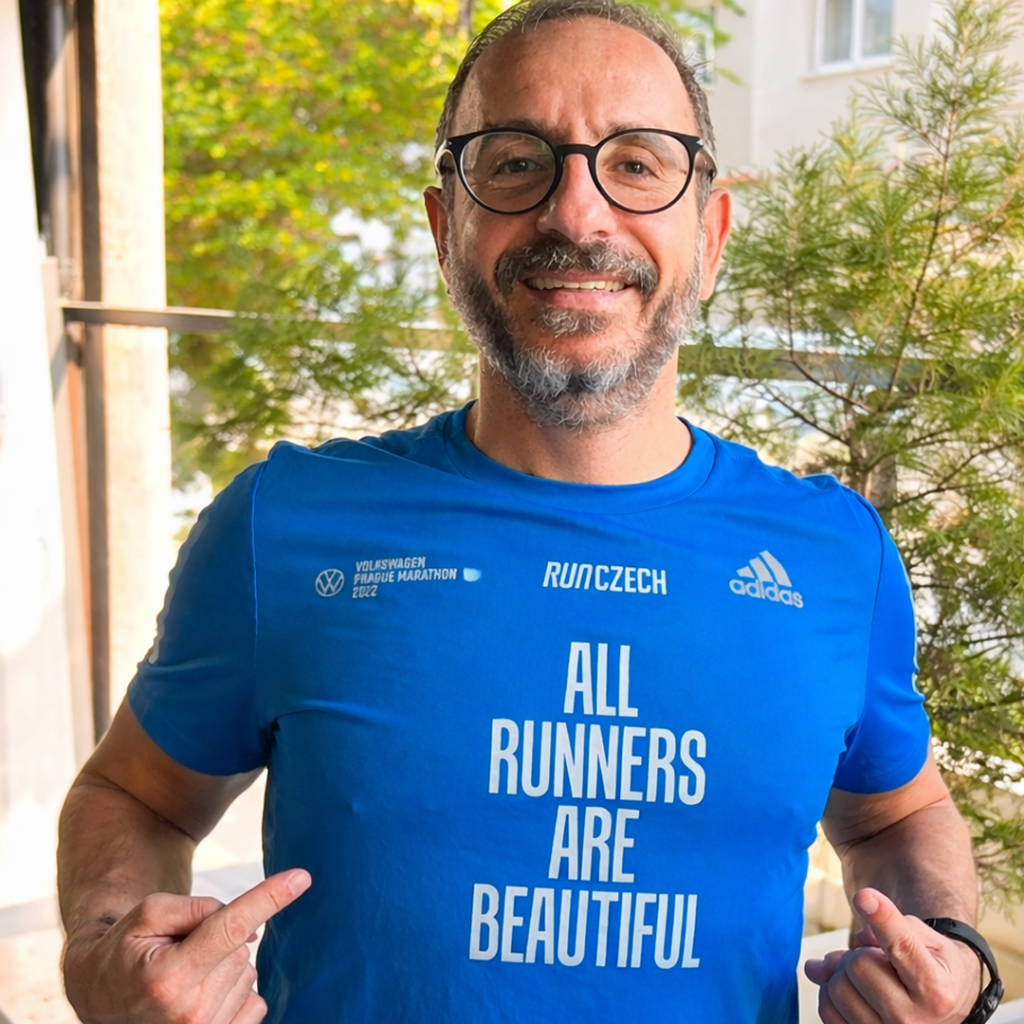
runners get faster and stronger
It can be frustrating because nothing obvious has changed, and yet running suddenly feels more complicated than it used to.
This is usually the stage where runners start searching for answers. Some believe they need more mileage and begin adding kilometres to an already busy training week. Others increase the intensity of their workouts, convinced they simply need to push harder. Many jump from one training plan to another, hoping the next programme contains the secret that has been missing all along.
In reality, the answer is usually much simpler.
Most runners do not need another training plan. They do not need another app or another complicated training theory. What they need is guidance. They need somebody who can step back, look at the bigger picture, and identify what is actually limiting their progress.
That is what good coaching should provide.
When an athlete works with me, I am not simply calculating paces and assigning workouts. I want to understand how the entire system is working together. Training does not happen in isolation. It exists alongside work commitments, family responsibilities, travel, sleep, recovery, nutrition, stress, and, for runners in Singapore, one more factor that many coaches underestimate: the environment itself.
This is where my experience becomes highly relevant.
I live and train in Cyprus, an island where long summers and challenging temperatures are part of everyday life. For months each year, runners here learn to respect the demands of warm-weather training. A simple easy run can feel completely different depending on temperature, humidity, hydration, and accumulated fatigue. Over the years I have not only coached athletes through these conditions, but I have also experienced them personally in my own marathon training.
That matters because many coaches understand running. Far fewer understand running in persistent heat.
Singapore runners are not dealing with occasional warm days. They are training in an environment where heat and humidity influence almost every workout throughout the year. The pace that feels comfortable in a cool climate may be completely unrealistic on a humid Singapore morning. Heart rate behaves differently. Recovery behaves differently. Even race preparation must be approached differently.
Because I coach and train in warm conditions myself, I understand these challenges from both a scientific and practical perspective. I understand how heat adaptation works. I understand how the body becomes more efficient through increased plasma volume, improved cooling mechanisms, and better cardiovascular efficiency. Most importantly, I know how to adjust training so that athletes continue progressing rather than constantly fighting the conditions around them.
Many runners see hot weather as a weakness. I see it as an opportunity.
Coach Tazi
Endurance Running Coach
Why your training feels harder in hot, humid climates
When temperature and humidity rise, your heart rate, perceived effort, and recovery cost all increase at the same pace — even if your fitness hasn’t changed. What feels like a performance drop is often just environmental stress masking true adaptation.
✔ Same pace ≠ same effort in heat ✔ Recovery demand increases after every session ✔ Training zones shift upward in real conditions
When managed intelligently, training in heat can create adaptations that benefit performance even when racing in cooler conditions. Time and time again, I have seen athletes spend months training in demanding environments, only to discover on race day that they have become far fitter than they realised. The conditions had been hiding their fitness, not preventing it.
The longer I coach, the more convinced I become that successful training is rarely about finding a harder workout. More often, it is about solving the right problem. A runner who improves recovery may gain more than a runner who adds another interval session. A runner who learns how to train intelligently in heat may improve more than a runner who simply trains harder. A runner who understands effort rather than obsessing over pace often unlocks progress that had been missing for years.
That philosophy shapes everything I do as a coach.
I am not interested in helping athletes survive the next workout. I am interested in helping them become better runners six months, one year, and five years from now. For Singapore runners, that means building a system that respects the realities of training in heat and humidity while turning those challenging conditions into a long-term advantage rather than a constant frustration.
Preparing for Overseas Marathons from Singapore
One of the things I love most about coaching Singapore runners is the ambition they bring to the sport.
For many athletes, the local race is only part of the dream. The real goal often sits thousands of kilometres away. It might be Berlin. It might be Tokyo. It might be Chicago, London, Valencia, or Sydney. For months, sometimes years, runners imagine themselves standing on those famous start lines, surrounded by thousands of athletes chasing the same goal.
What makes this journey fascinating is that the preparation often takes place in conditions completely different from those waiting on race day.
Imagine spending an entire marathon block training through Singapore’s heat and humidity. Week after week, every long run requires patience. Every workout demands discipline. Every easy run feels slightly harder than it should. It is easy during those months to lose confidence and wonder whether the training is actually working.
Then race week arrives. You land in Berlin and step outside the airport.
For the first time in months, the air feels cool. The body feels lighter. Running suddenly feels easier. The effort that once produced a certain pace now produces something faster without any additional strain. What felt difficult in Singapore suddenly feels comfortable.
I’ve seen this happen many times. Athletes prepare for months believing they are struggling, only to discover that the problem was never their fitness. The climate had simply been masking it.
This is why I often tell Singapore runners that their environment can become one of their greatest advantages. Training in challenging conditions develops a level of resilience that many athletes never experience. When the training is structured correctly, the body learns to adapt. Over time, those adaptations can create confidence and strength that reveal themselves when conditions become more favourable.
The key, however, is making sure the training remains intelligent. Simply surviving difficult conditions is not enough. The goal is to use those conditions as a tool for development rather than allowing them to become a source of excessive fatigue.
More Than a Training Plan
The internet has made training plans easier to find than ever before.
Within a few minutes, any runner can download a marathon plan, a half marathon plan, a 10K plan, or almost any programme imaginable. There are thousands available. Some are excellent. Some are questionable. Most sit somewhere in the middle.
The problem is not the plan itself. The problem is that a training plan cannot think.
A training plan cannot understand why a workout felt unusually difficult. It cannot recognise that a stressful week at work has drained your energy. It cannot notice when your recovery is slipping or when your confidence is beginning to disappear. It certainly cannot account for the reality of living and training in an environment where heat and humidity constantly influence performance.
This is where coaching becomes something completely different. Good coaching is not about assigning workouts. Good coaching is about decision-making.
Over the years, I have become increasingly convinced that coaching is often about knowing when not to do something. Sometimes the smartest decision is reducing training rather than increasing it. Sometimes the best workout is extra recovery. Sometimes the greatest performance gains come not from another hard session but from finally allowing the body to absorb the work that has already been completed.
These decisions are difficult for athletes to make on their own because runners are naturally motivated people. They want to improve. They want to work harder. They want to keep moving forward.
The challenge is that progress is not always created by doing more. Often it is created by doing the right things at the right time. That is the role I try to play as a coach.
The Advantage of Personalised Online Running Coaching
The word “personalised” appears on almost every coaching website these days, which is unfortunate because true personalisation has become surprisingly rare. Many runners think personalisation means receiving a plan with their name at the top.
I see it very differently. For me, personalisation begins long before the first workout is written. It starts with understanding the athlete. I want to know how they train, how they recover, what motivates them, what frustrates them, what their schedule looks like, what races excite them, and what challenges they encounter during their daily life.
A busy executive training before sunrise in Singapore requires a different approach than a runner with unlimited training time. A first-time marathoner requires a different approach than someone aiming for a Boston Qualifier. An athlete who recovers quickly requires a different approach than someone balancing training with family commitments, travel, and professional responsibilities.
The training principles remain the same. The application changes.
This is particularly important in warm-weather environments. The same session can feel completely different depending on temperature, humidity, sleep quality, work stress, and accumulated fatigue. A coaching system that ignores those realities is incomplete.
That is why every athlete I coach is treated as an individual. Not because it sounds good as a marketing phrase. Because it works.
The best results I have seen over the years have rarely come from extraordinary workouts. They have come from ordinary runners following a plan that genuinely matched their life, their goals, and their environment.
Ready to Train Smarter?
Perhaps you recognise yourself in some of the challenges described in this article.
Maybe you are training for your first marathon and wondering if you are doing enough. Perhaps you have been stuck at the same level for years and cannot understand why progress has slowed. Or maybe you simply want reassurance that the difficult conditions you face in Singapore are not preventing you from becoming the runner you want to be.
If there is one message I hope you take away from this article, it is this:
The climate is not your enemy. The climate is simply part of your training environment. When understood correctly, it can become one of your greatest strengths.
As Coach T, my goal is not to make your training more complicated. My goal is to simplify it. I want you to understand why you are doing each session, how your body is responding, and what adjustments need to be made to keep you moving forward. Most importantly, I want you to enjoy the process rather than constantly worrying whether you are doing enough.
Running should challenge you, but it should also inspire you. It should build confidence rather than create doubt.
It should leave you feeling stronger, healthier, and more capable than when you started. If you would like to learn more about my coaching philosophy and how I work with runners around the world, you can visit my profile here:👉 Meet Coach T
If you’re serious about your next goal and would like to discuss how personalised coaching could help you achieve it, you can book a coaching call here:
And if you would like to experience my coaching approach first-hand, you can also apply for my free coaching offer here:
🏃♂️ Talk to Coach T Today -1 Month Free TrainingWhether your goal is your first 10K, your next half marathon, a marathon personal best, or simply becoming a stronger and healthier runner, remember that success rarely comes from finding a magical workout. More often, it comes from following a smart plan, staying consistent, and trusting the process long enough for the results to appear.
For Singapore runners, that process begins with understanding the environment rather than fighting it.
And once you learn to do that, the possibilities become much bigger than you might imagine.
– Coach T, NASM-CPT
Please note that the information shared in this article reflects my personal knowledge and experiences. It is not intended as professional advice and should not be relied upon as such. Always consult with a qualified expert or professional before making any decisions based on the content provided.