


By Coach T
As the calendar flips to a brand-new year, something magical happens in the running world. Suddenly, fresh goals float in the air. New shoes appear at the door. Motivation spikes. And somewhere deep inside, a quietly brave voice whispers: “Maybe… this is my year to run a marathon.”
If that’s you — you’re in the right place.
I’m Coach T, and helping runners go from overwhelmed beginners to confident, powerful marathoners is one of my favourite things in the world. This article gives you the exact beginner-friendly marathon training plan and philosophy I use with my coached athletes — the same methods inspired by world-class coaching frameworks used by legends like Coach Stazza.
But don’t worry… we’ll keep everything simple, enjoyable, and extremely doable.
Because running is supposed to be fun — and with the right plan, it truly is.
So lace up, smile, and let’s begin your marathon journey.
1. Why a Marathon Is the Perfect New Year’s Resolution
Every January, people set resolutions like “get fit,” “lose weight,” or “be healthier.” But these goals fade fast because they’re vague, uninspiring, and forgettable.
A marathon, however?
Now that is a goal with power.
It’s bold, exciting, challenging, and unbelievably rewarding. Even better, it changes more than your fitness. It changes your mindset, your habits, and your confidence. Training for a marathon teaches you discipline, resilience, and self-belief. Plus, it fills your year with purpose — week after week, run after run.
And the best part?
You don’t need to be fast.
You don’t need years of experience.
You don’t need to be an athlete.
You simply need a smart plan, some patience, and guidance from someone who knows how to avoid the common beginner traps — especially the ones that cause overtraining and injuries.
That’s exactly what this plan does.
2. How to Set Realistic Running Goals for 2026
Before I assign training, I help every runner choose goals they can actually achieve. Because unrealistic expectations are the #1 reason people burn out.
Here’s how to set goals like a smart runner:
✔ Choose a realistic marathon timeline
If you’re starting in January, you can be marathon-ready later in 2026. Yes — even if you’re currently a “couch” runner.
✔ Avoid pace expectations… for now
Most beginners say things like:
- “I want a sub-4 marathon!”
- “I want to run 5:00/km!”
But without a baseline, these numbers mean nothing. Instead, we build your foundation first. Once your stride, form, aerobic engine, and mileage improve, your real marathon potential becomes beautifully clear.
✔ Focus on the process, not just the finish line
Goals like:
- “Run 4× a week consistently”
- “Hit 65-minute easy runs”
- “Stay injury-free”
…are far more effective for beginners than chasing early speed.
✔ Measure progress with smart checkpoints
I guide my athletes through:
- A pre-super-base phase
- A super-base phase
- A marathon bridge
- Marathon-specific training
Each stage reveals new fitness levels and helps us adjust goals with accuracy.
This is how marathon training becomes successful — and surprisingly enjoyable.
3. Beginner-Friendly Marathon Training Plan Overview
Now let’s look at the system that changes everything.
Most beginner marathon plans fail because they rush into:
- VO₂max intervals
- Hard tempos
- Fast long runs
- Excessive mileage
That’s how injuries happen — especially for runners over 30. And since most beginners are hip-flexor-dominant shufflers (totally normal!), early speed just makes you shuffle faster, not better.
So instead, we build your body from the ground up using a powerful sequence:
THE COACH T SYSTEM (inspired by Coach Stazza principles)
1️⃣ Foundation Stage
Get to 3 × 65-minute easy runs + 1 × 90-minute long run
(We establish durability, economy, and basic strength.)
2️⃣ Pre-Super-Base Phase
Add strides + hill blasts
(We unlock your glutes, improve mechanics, and increase hip extension.)
3️⃣ Super Base
Build more power, efficiency, and speed-endurance
(You become a stronger, smoother runner.)
4️⃣ Marathon Bridge
Introduce longer efforts + controlled marathon-paced work
(Your fitness sharpens in a safe, progressive way.)
5️⃣ Marathon Block
Peak training designed around your goals
(This phase is fun, confidence-boosting, and personalised.)
It’s a smooth, safe, enjoyable progression — and you’ll feel yourself improving every single week.
4. Weekly Breakdown: From Couch to Marathon
Here is your simple, clear weekly structure — the one I use with my beginner athletes.
WEEKLY STRUCTURE (Beginner Edition)
Run 1: 65 min easy
Run 2: 65 min easy with strides (during Pre-Super-Base)
Run 3: 65 min easy
Run 4: 90 min long run easy
During Pre-Super-Base
- Introduce 20–40 sec aerobic strides
- Add hill blasts (8 seconds uphill, full recoveries)
- Keep everything smooth and controlled
During Super Base
- Longer aerobic sessions
- More strides
- Higher quality hill work
- Slightly more volume
During Marathon Bridge
- Add marathon-paced blocks
- Extend long runs
- Build resilience and efficiency
During Marathon Block
- Peak long runs
- Race-pace simulations
- Taper with precision
Each phase builds on the last. It’s a beautifully structured system that turns beginners into real runners — without burnout.
| Training Principle | Why It Matters | How We Apply It |
|---|---|---|
| Progressive Overload | Ensures safe, steady improvement | Gradually increase run duration & load |
| Recovery & Adaptation | Your fitness grows during rest | Easy running, sleep focus, recovery weeks |
| Individualisation | Your body’s needs are unique | We adjust training based on your signals |
| Strength & Mechanics | Improves economy & prevents injury | Strides, hill blasts, glute activation |
| Consistency | The #1 secret to marathon success | Realistic weekly routine & sustainable runs |
5. Key Tips to Run Faster and Avoid Injuries
As your coach, I want you not just to run — but to run well.
Here are the essentials:
✔ Run easy most of the time
This protects your muscles, tendons, and nervous system. Easy runs should feel conversational — if you can’t talk, it’s too hard.
✔ Use strides to sharpen speed safely
Strides build form, power, and coordination without stressing your body.
✔ Use hill blasts to activate glutes
This changes mechanics dramatically and helps prevent calf overload.
✔ Strength training is not optional
You only need 2× short sessions per week, but they shift your performance massively.
✔ Respect rest
Recovery is not lazy — it’s where you actually become stronger.
✔ Follow a structured progression
Random sessions = random results (and injuries). Simple patterns work best.
6. Nutrition and Recovery for Your Training Success
Even the best training plan won’t work without solid recovery habits. Fortunately, these are simple:
Eat consistently
Fuel with carbs around workouts and include protein to support muscle repair.
Sleep 7–9 hours
This is where the real adaptation happens.
Hydrate more than you think
Most runners are chronically underhydrated — don’t be one of them.
Stretch lightly after hard sessions
No need for extreme routines — gentle mobility works wonders.
Listen to your body
Pain = information. Fatigue = a signal. Respect both.

7. Staying Motivated During Winter and Holidays
Winter running is a secret superpower — it builds grit, discipline, and massive aerobic fitness.
Here’s how to stay motivated:
- Wear bright, warm, comfortable layers
- Run with friends
- Use morning runs for structure
- Keep the effort easy in cold weather
- Celebrate every small win
- Remember your “why”
And if you ever feel yourself slipping?
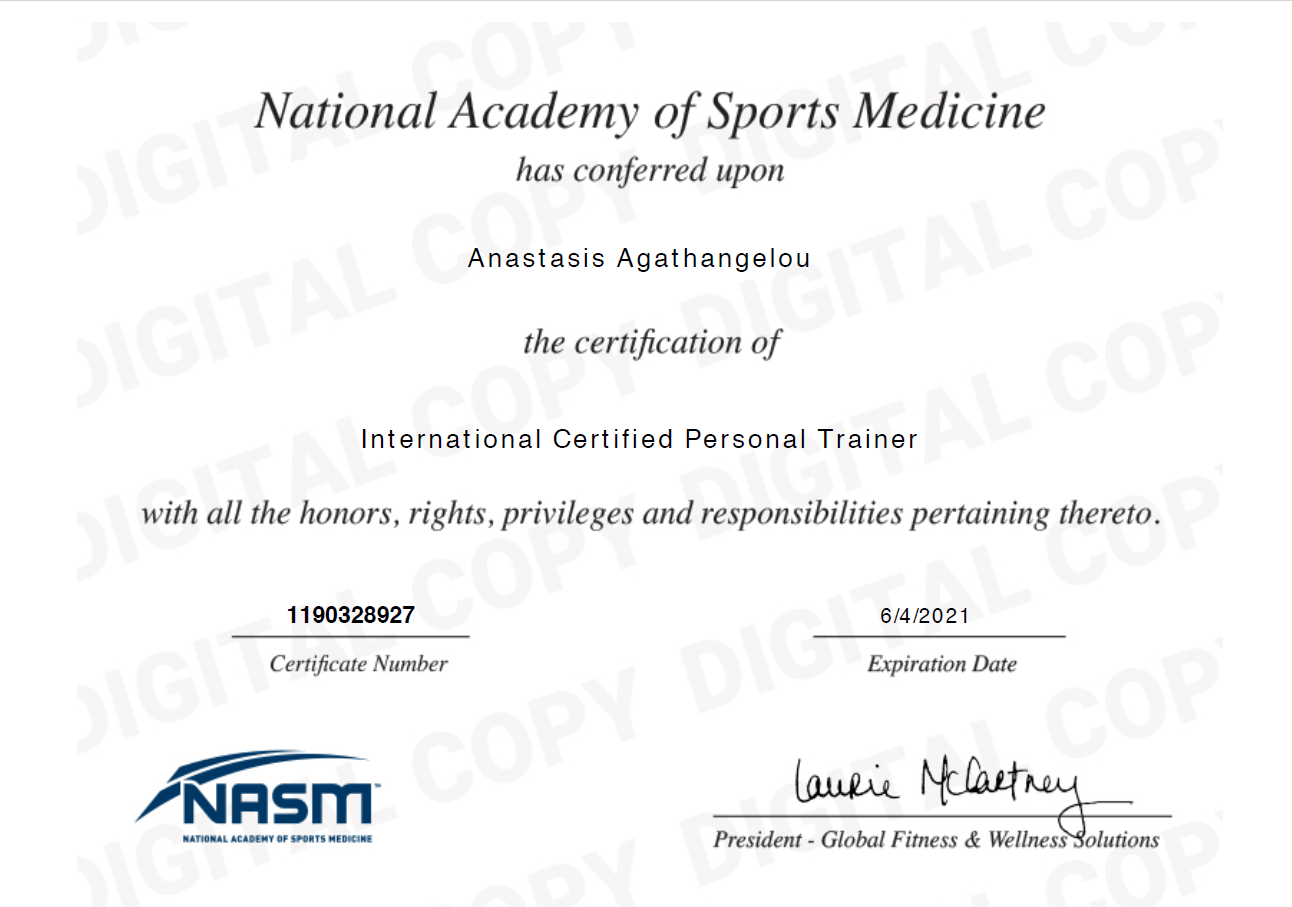
Reach out — your coach (that’s me!) is right here to help.

Specific Marathon Training: Turn Science into Results
If you’ve ever felt stuck — training hard yet plateauing — you’re not alone. Most runners fall into the same trap: they confuse effort with effectiveness.
The good news? Once you understand and apply specific marathon training, everything changes.
- Recover faster
- Race stronger
- Enjoy training more
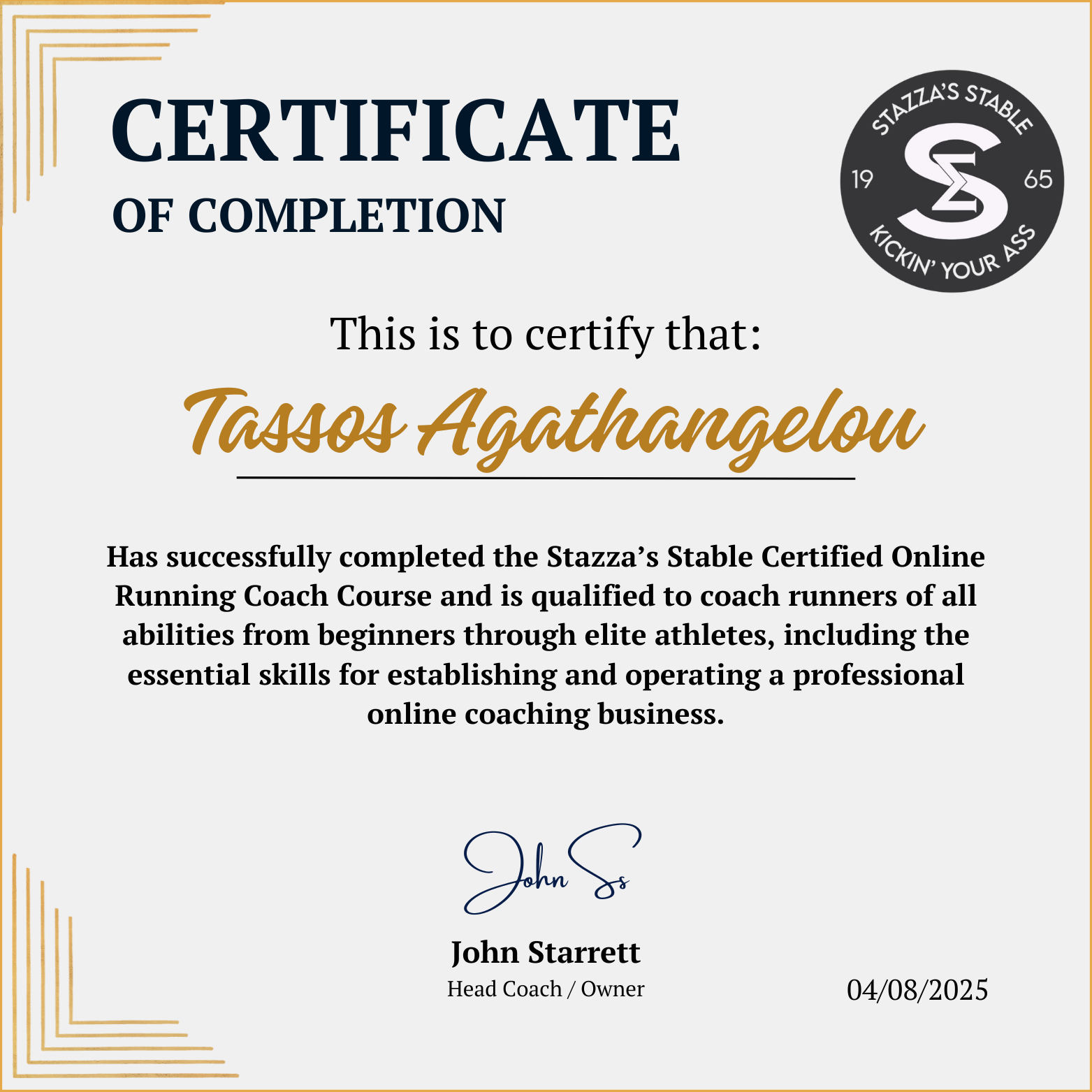
As Coach T, I’ll help you identify the right stimulus, apply it with purpose, and balance it with recovery — just like Canova’s champions and Stazza’s stable of sub-3 marathoners.
Together, we’ll turn science into results — and results into confidence.
Get Started Today8. FAQs About Starting Marathon Training in January
❓ Can I start as a total beginner?
Absolutely. I’ve coached many runners from zero to marathon within a year.
❓ Do I need speedwork now?
Not at first. We build form and endurance safely first.
❓ How many days should I run?
Four days is ideal for beginners.
❓ When will I know my potential?
After your Super Base phase, your pace becomes clear and predictable.
❓ Should I do strength training?
Yes! But simple routines are enough at this stage.
9. Next Steps: How to Take Your Training to the Next Level
If you’ve read this far, you’re serious.
And if you’re serious — you deserve coaching that actually works.
My runners don’t just train…
They transform.
If you want:
- A personalised marathon plan
- Weekly feedback
- Injury-smart progression
- Accountability
- A coach who genuinely cares about you
Then this is your moment.
👉 Meet your running coach (me!)
https://runningfitness365.com/our-running-coach/
👉 Book your call now and get TWO MONTHS FREE coaching
https://runningfitness365.com/tazi-running-coach/
This is your year.
Your marathon.
Your transformation.
Let’s make it extraordinary — together.
– Coach T 🟣💥🏃♂️
**Please note that the information shared in this article reflects my personal knowledge and experiences. It is not intended as professional advice and should not be relied upon as such. Always consult with a qualified expert or professional before making any decisions based on the content provided.